California sues major 3D-printing filament maker over claims it deliberately catered to ghost gun enthusiasts
The complaint, which was filed on October 5 in San Diego County Superior Court, acknowledges that 3D printing filament is not illegal. However, it alleges that Polymaker intentionally marketed its product toward ghost gun aficionados so they could turn its filament into a regulated "firearm precursor part." Read Entire Article
California has initiated legal action against Polymaker LLC, one of the globe's leading 3D-printing filament producers, for allegedly targeting gun enthusiasts in California. San Diego County, representing the state, filed the lawsuit on October 5 in San Diego County Superior Court.
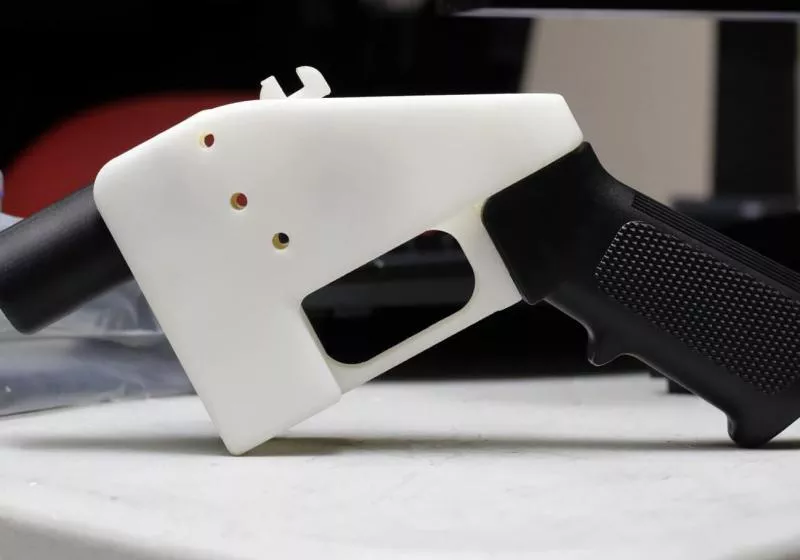
The complaint asserts that Polymaker intentionally markets and sells its filament to Californians with the specific intention of aiding the creation of unlawful ghost guns. While it is acknowledged that 3D printing filament is not illegal, the lawsuit contends that Polymaker's marketing strategies were aimed at ghost gun enthusiasts, enabling them to transform its filament into regulated firearm precursor parts.
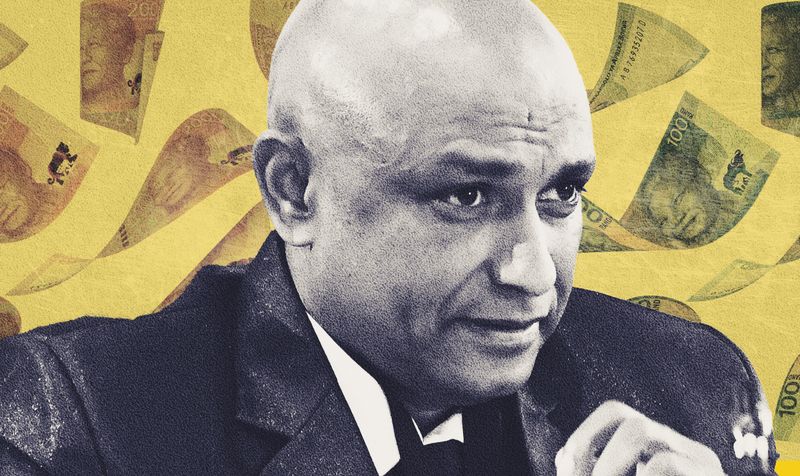
Under California law, a firearm precursor part refers to an item marketed or sold to the public for use as the frame or receiver of a functional firearm once completed, assembled, or converted. The complaint further alleges that Polymaker financially benefited from the ghost gun community by employing Sean Aranda, known as The 3D Print General, who had been banned from YouTube for firearm policy violations.
Polymaker subsequently hired Aranda as Head of Customer Experience, a move the lawsuit implicates as part of the company's strategy to target 3D-printed gun enthusiasts.
Additionally, the suit highlights affiliate payments and firearm-themed products as proof that Polymaker intentionally cultivated this market. The county is requesting civil penalties, the return of revenues generated from the alleged unlawful practices, and an injunction. Notably, the lawsuit does not aim to ban filament sales in California.
In May, California lawmakers had approved AB 2047, which requires printers to block firearm designs and verify them before printing begins. Governor Gavin Newsom endorsed an amended version of the bill in September, although its requirements hinge on an industry standard being established. That recent effort targets the machines themselves, rather than how their raw materials are marketed.
In August, a Texas federal judge ruled parts of the ATF's ghost-gun rule unconstitutional, blocking their enforcement against Defense Distributed and Second Amendment Foundation members. However, this decision does not impact the lawsuit against Polymaker, as it pertains to California law.
Written by urgent.news from TechSpot's reporting — not their text. Machine-written — may contain errors; check the original before relying on it.