Buried bodies, cleared rubble, Israel’s yellow line: How war is hampering the search for Gaza’s missing
Dusk had fallen in the northern Gaza neighborhood of Jabalya when an Israeli quadcopter broke the evening lull on November 1, 2024. That evening, Mohammad Yousef Shalayel had settled into his in-laws’ home with his wife and children – after visiting 16 relatives displaced at his parents’ house nearby. He didn’t know that would be … The post Buried bodies, cleared rubble, Israel’s yellow line: How…
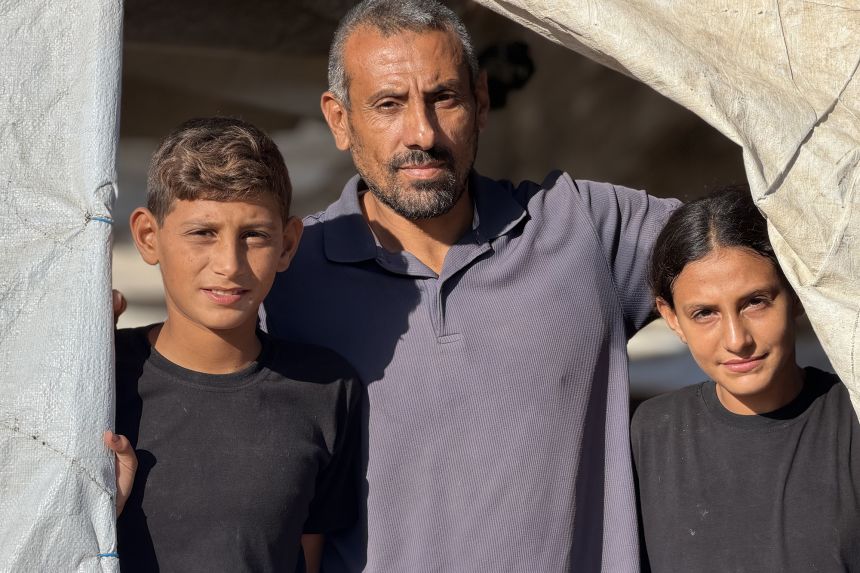
In Gaza's northern Jabalya neighborhood, an Israeli drone disturbed the evening silence on November 1, 2024, just as Mohammad Yousef Shalayel returned home to his in-laws' house after visiting relatives. An explosion leveled the Shalayel residence, burying four floors of his family, including his elderly mother, two brothers, sister, and their children, under rubble.
When he returned to the site the next morning, Shalayel found dismembered remains scattered around. He attempted to gather what flesh remained, but his family's bodies were never recovered.
Two years later, Shalayel remains unable to step foot in his family's once-happy home because Israeli forces now occupy over half of the shattered area. He fears that most of his relatives are still unaccounted for. More than 74,000 Palestinians have been killed in Gaza during the Israeli offensive, according to the Palestinian Ministry of Health, though the number may rise further.
Approximately 8,000 people are missing, with most likely buried beneath the estimated 61 million tonnes of rubble, according to the United Nations.
As days pass, the likelihood of identifying the deceased diminishes, as crucial evidence is lost. Pat Griffiths, a spokesperson for the International Committee of the Red Cross in Jerusalem, emphasized the obligation of parties to an armed conflict to conduct search and recovery operations for the remains of the deceased, missing, or injured, and to exchange the information with the other side.
The shifting demarcation zone of the October 2025 ceasefire plan, known as the "yellow line," has barred Palestinians from accessing swathes of land where their loved ones might be buried under the rubble, according to residents and aid workers in Jabalya. Some have witnessed Israeli military demolitions of mosques, homes, and buildings, or the clearing of rubble near the yellow line.
One resident, Yahya Odeh, expressed the pain and frustration: "Where are the bones of our loved ones? Where are their bodies? There are entire families beyond the yellow line who have been separated from their relatives." In September, UN human rights chief Volker Türk warned against the clearance of rubble in areas under Israeli military control without respecting the dead, citing the Euro-Med Human Rights Monitor's concerns.
Written by urgent.news from Egypt Independent's reporting — not their text. Machine-written — may contain errors; check the original before relying on it.