Brain injury triggers unexpected hormone release in progenitor cells
Following a brain injury, specialized progenitor cells produce a stress-related neuropeptide that prevents neighboring cells from maturing too fast. This temporary delay improves the long-term survival of the cells responsible for insulating nerve fibers.
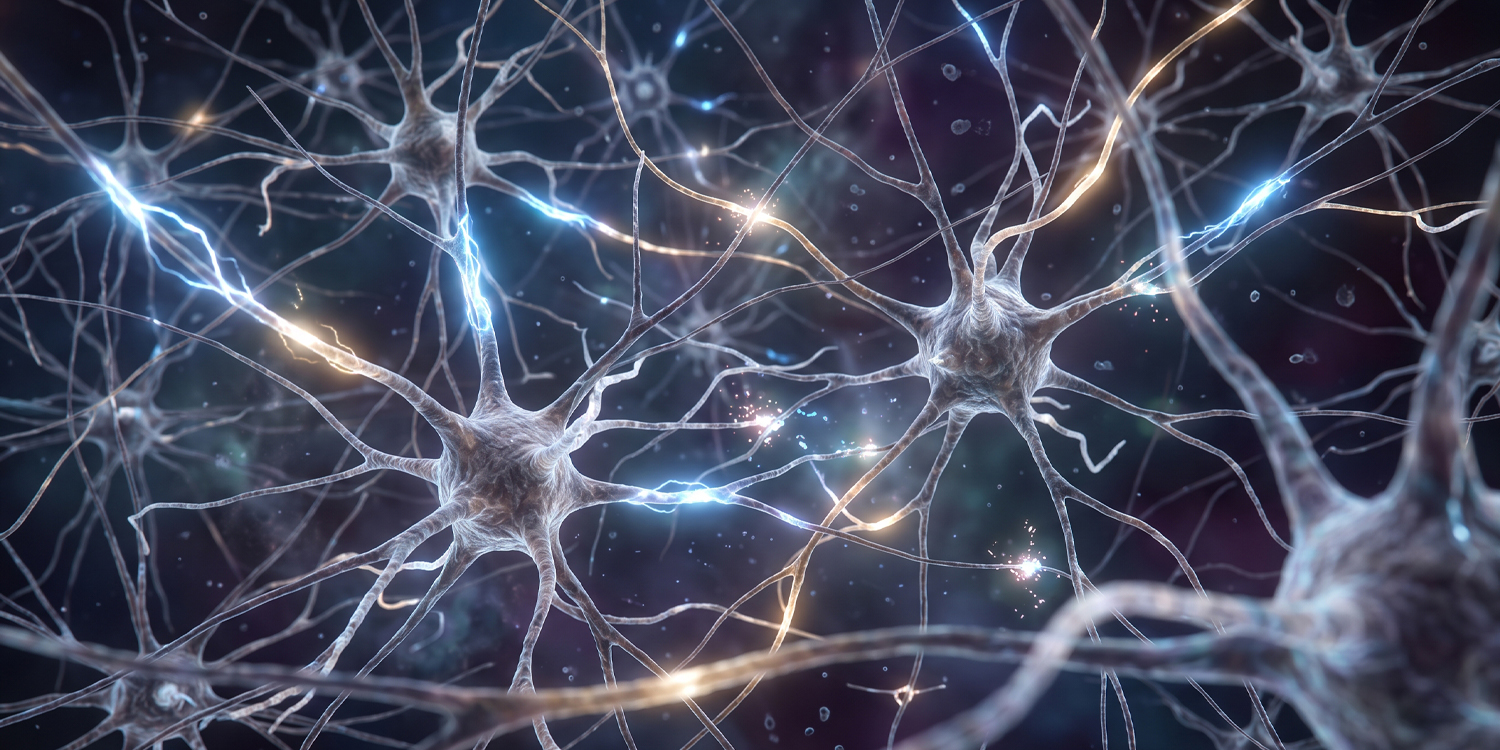
A brain injury triggers oligodendrocyte progenitor cells to release the neuropeptide corticotropin-releasing hormone (CRH), preventing neighboring cells from maturing too quickly. This process, known as volume transmission, assists in tissue repair. The findings were published in Cell Reports. Oligodendrocytes produce myelin, an insulating layer around nerves essential for rapid electrical impulse transmission.
When the brain is injured or developing, new oligodendrocytes need to form. These mature cells originate from oligodendrocyte progenitor cells, which migrate to the injury site, transform into myelin-producing cells, and integrate into the healing tissue. Neuropeptides, unlike neurotransmitters, are released in large quantities and wash over a broader area.
CRH is one of the most extensively studied neuropeptides, primarily known for coordinating the body's stress response. Researchers at the Max Planck Institute of Psychiatry studied CRH's role outside of traditional stress pathways in brain injury. Using genetically modified mice, they found that CRH-producing progenitor cells aggregated around injury sites within twelve hours of injury, marking an early and unusual secretory response by these cells to physical trauma.
These progenitor cells multiplied and transformed into mature oligodendrocytes over the following weeks, successfully integrating and forming myelin sheaths around nerve fibers. The hormone acts as a brake, forcing cells to delay maturation, but removing the signal accelerates maturation, which can be detrimental in larger brain injuries due to increased oxidative stress.
The researchers also discovered that these CRH-equipped progenitor cells naturally increase in number as mice age, preventing premature cellular maturation during healthy brain development. The presence of CRH in the developing brain increases overall myelin content, as confirmed by magnetic resonance imaging and electron microscopy.
Written by urgent.news from PsyPost's reporting — not their text. Machine-written — may contain errors; check the original before relying on it.
