BoG proposes new rules to ensure banks can always pay customers when they need their Money
The Bank of Ghana (BoG) has proposed a new regulatory requirement that would compel banks to maintain sufficient high-quality liquid assets to cover their projected net cash outflows over a 30-day period of financial stress. The proposal is contained in the Liquidity Coverage Ratio (LCR) Directive, 2026, an exposure draft published by the central bank […]
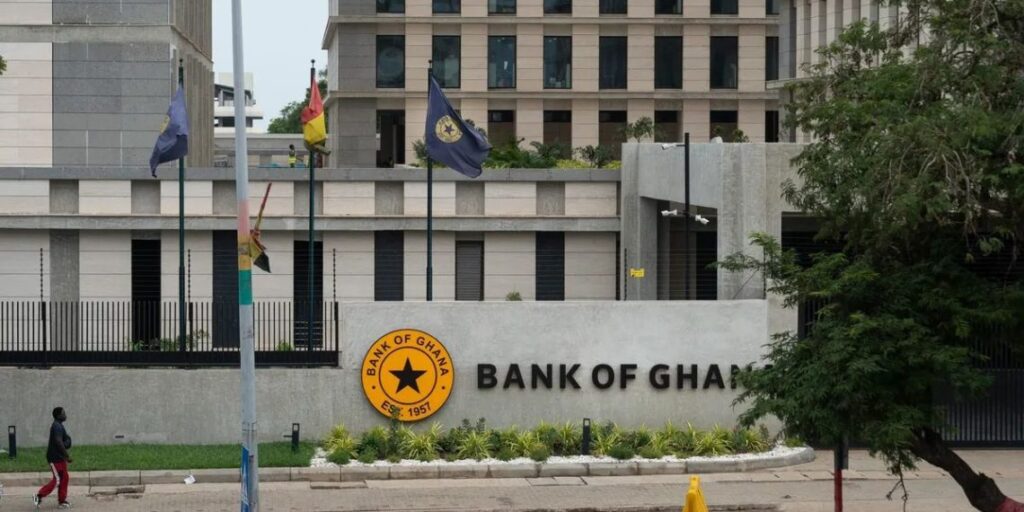
The Bank of Ghana (BoG) has unveiled a new regulatory measure aimed at ensuring commercial banks maintain enough liquid assets to cover their expected cash outflows during a 30-day period of financial stress. This proposal, contained in the Liquidity Coverage Ratio (LCR) Directive, 2026, was published on October 9, 2026, for public comment. The BoG is seeking feedback from the banking industry and the general public until November 30, 2026.
Under the proposed framework, banks must hold a Liquidity Coverage Ratio of at least 100%, indicating their stock of eligible, unrestricted high-quality liquid assets should be sufficient to cover their total projected cash outflows in the next 30 days under defined stress conditions. This measure aims to enhance banks' resilience to sudden funding pressures and ensure timely payment of customer obligations during periods of significant market or institution-specific stress.
To determine the LCR, banks will divide their stock of eligible high-quality liquid assets by their total net cash outflows over the subsequent 30 calendar days. Assets that qualify include cash, balances with the Bank of Ghana, and eligible government securities. Other assets may also qualify under specific conditions and regulatory discounts, known as haircuts. The directive caps Level 2 assets at 40% of the total high-quality liquid assets, while Level 2B assets are limited to 15%.
Banks will be required to assess potential cash outflows from deposit withdrawals, limited access to wholesale funding, maturing financing obligations, and customers using previously committed credit facilities. Additionally, they will conduct their own liquidity stress tests, including more severe scenarios beyond the minimum 30-day supervisory requirement.
The BoG proposes September 1, 2027, as the effective date of the directive, with banks needing to comply by August 31, 2027. The directive also includes a one-year pilot period, during which banks will submit quarterly reports to the central bank.
The BoG invites banks and stakeholders to submit their comments by November 30, 2026, via email. The central bank will consider all received comments and provide written explanations on how they were addressed in the final directive. This proposal is part of the BoG's broader regulatory efforts to strengthen liquidity risk management in the banking sector, complementing other directives aimed at improving the sector's overall resilience.
Written by urgent.news from Joy Business's reporting — not their text. Machine-written — may contain errors; check the original before relying on it.
This story
This is one outlet's version. Read the fullest account.