Billions in the bin as economy struggles with true cost of food waste
Australia wastes about $36 billion worth of food a year and experts say many businesses don't even know how much potential profit they're throwing away.
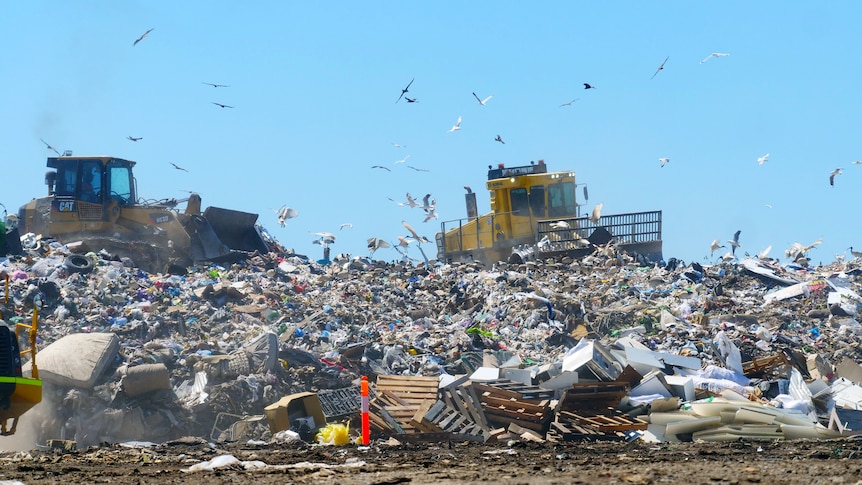
Australia discards roughly 7.6 million tonnes of food annually, resulting in economic losses exceeding $36 billion. Less than a quarter of businesses routinely monitor their food waste, making it difficult to detect. The Australian government aims to cut food waste in half by 2030, yet experts question the pace of progress. Karl Riseborough, a Sydney pub and brewery owner, was astonished by the magnitude of food waste at his business, including spent grain from beer production and kitchen scraps. Mr. Riseborough revealed that he was unaware of the volume of waste generated by his operations.
Food waste researcher Belinda Chellingworth notes that many businesses are unaware of their waste generation or its financial impact. Approximately 70% of the wasted food in Australia is edible, and the consequences of this waste extend to landfill management, food security, and climate change. Mr. Riseborough, with Chellingworth's assistance, has reduced his spent grain waste by 50 kilograms per batch, resulting in fewer weekly bin collections.
According to the Sustainable Restaurant Association, the hospitality sector in Australia discards 1.2 million tonnes of food each year, leading to an economic impact of around $6.4 billion, averaging $66,000 per business annually. Less than a quarter of businesses inspect their food waste regularly. Many businesses fail to realize the extent of their food waste costs, as the expenses are often incurred multiple times, yet not comprehensively accounted for across departments.
Chellingworth emphasizes that landfill capacity is reaching critical levels in various regions, with some sites in Western Australia expected to fill up in just two years. The federal government has pledged to halve food waste by 2030, but UNSW food and health professor Johannes le Coutre remains skeptical. He points out that Australia's vast distances and overseas manufacturing contribute to the challenge.
Professor le Coutre believes that stronger policies, improved technology, and increased awareness are necessary to address the issue.
Written by urgent.news from ABC News AU's reporting — not their text. Machine-written — may contain errors; check the original before relying on it.