Bei Online-Überweisungen: Empfängerüberprüfung beim Banking: Mehr Last als Schutz?
Täglich ploppen Warnhinweise beim Online-Banking auf – doch viele Nutzer klicken sie einfach weg. Warum das riskant ist und was Verbraucherschützer jetzt fordern.
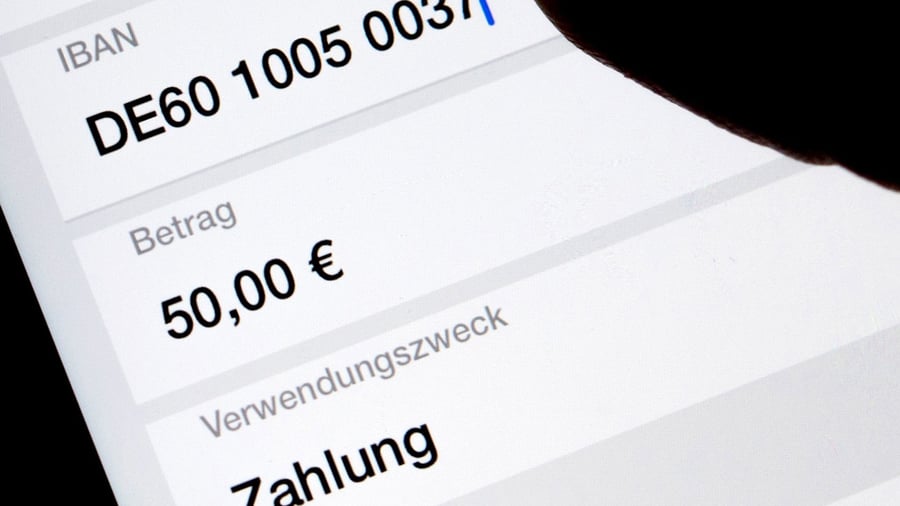
The debate surrounding online bank transfers has been sparked by concerns over the effectiveness of recipient validation warnings. According to the Verbraucherzentrale Bundesverband (vzbv), the current system only checks for exact name matches, which results in a high number of false alarms. This situation can lead consumers to ignore the warnings altogether, reducing their effectiveness in preventing fraud.
A recent Forsa online survey revealed that most consumers receive these warnings frequently, with 58% experiencing one every fourth transfer or more often. While some users have reported discovering outdated bank connections or errors through the photo capture of invoices, others find the system frustrating, describing it as "more hassle than protection."
Despite 91% of online banking users rating the recipient validation system positively, nearly a quarter still view its current implementation as poor. The vzbv warns that if customers continue to ignore warnings routinely, the protective effect diminishes. The organization emphasizes that the system should effectively prevent fraud rather than burdening consumers with unnecessary alerts.
A proposed solution suggests that systems should be able to detect the correct recipient even if names are swapped, a second middle name is missing, or special characters and hyphens differ.
Written by urgent.news from Handelsblatt's reporting — not their text. Machine-written — may contain errors; check the original before relying on it.