As midterms approach, Trump is sticking with tariffs even though voters disapprove
Maybe President Donald Trump really does believe that “tariff” is the most beautiful word in the dictionary. Despite higher prices , criticism from trade experts and displeasure among voters , Trump holds fast to his belief that imposing the highest import duties on U.S. trading partners since the Great Depression is a winner. A recent poll suggests that is a big gamble with less than a month…
As the 2022 midterms draw nearer, President Donald Trump remains steadfast in his tariff policies, despite widespread disapproval and criticism from both trade experts and voters. Recent polls indicate that a majority of U.S. adults disapprove of his trade strategies, with over 64% believing Trump has gone too far in imposing recent tariffs, a figure that has risen from 58% in January. The political, legal, and economic hurdles to Trump's trade approach have become increasingly complex.
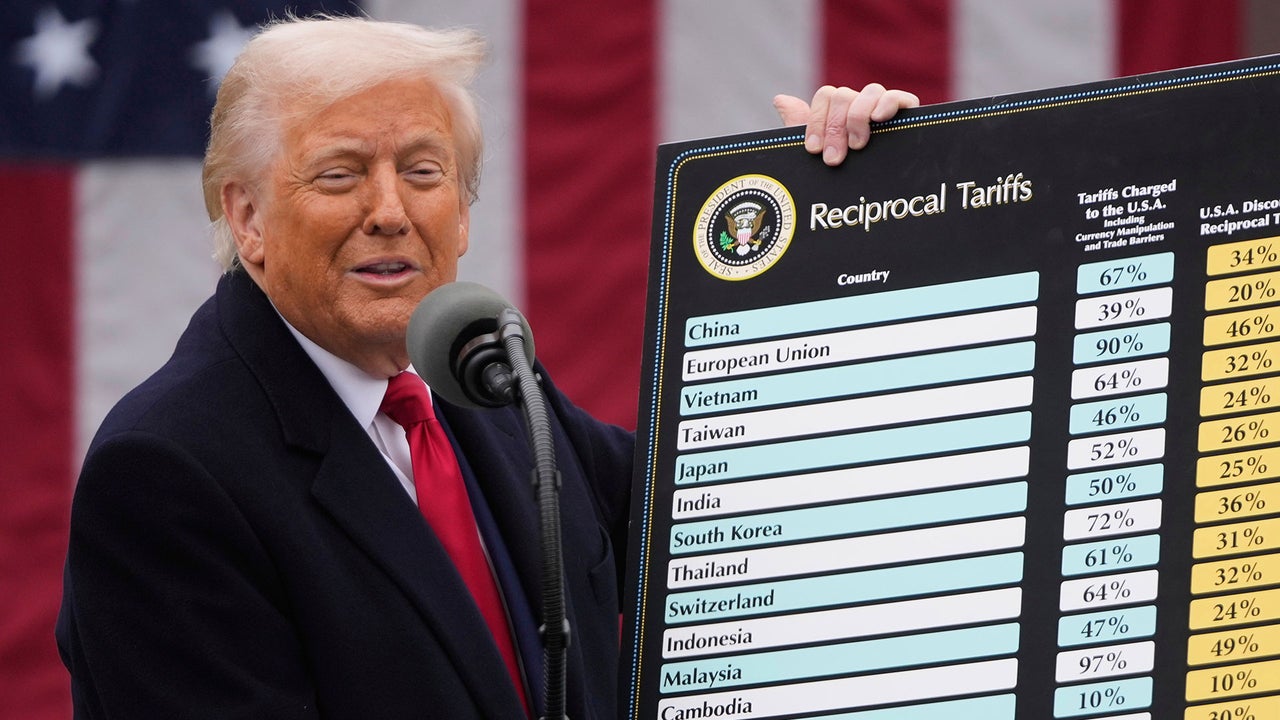
The United States has imposed taxes on imports from numerous countries, mostly in the double digits, though these rates have fluctuated due to legal challenges and Trump's propensity to alter them at his discretion. In a particularly aggressive round of tariffs earlier this year, Trump slapped what he called "reciprocal" duties on dozens of nations, invoking a 1977 law that purported to grant him authority to act unilaterally in an economic emergency.
However, after the Supreme Court invalidated this authority in February, Trump resorted to Section 301 of the Trade Act of 1974, enabling him to impose tariffs on countries he deems as engaging in unfair trade practices, such as failing to adequately enforce a ban on forced labor.
Applying these tariffs, with rates ranging from 10% to 12.5%, has targeted imports from 60 economies, including major trading partners like the European Union, India, Japan, Canada, and Mexico. Despite Trump's claims that foreign exporters are bearing the brunt of these tariffs, studies suggest otherwise; most Americans are the ones paying the price.
Businesses are either absorbing the added costs or passing them on to consumers through higher prices, with overseas companies largely refraining from offsetting the tariffs by reducing prices.
While Trump contends that foreign manufacturers are paying these tariffs, research indicates that American consumers are bearing the burden. As a result, the U.S. manufacturing sector faces a challenging future, with the potential loss of millions of jobs and a decline in overall competitiveness. The White House, however, maintains that the factory boom is already in progress, citing a rise in manufacturing and nonresidential construction jobs.
They argue that improved factory construction will lead to increased manufacturing jobs in the long run.
Written by urgent.news from Fast Company's reporting — not their text. Machine-written — may contain errors; check the original before relying on it.