As a domestic car sales slump continues, China’s automakers lean on exports
China’s passenger car exports surged 64% in September from the same month in 2025, an industry association reported Monday, as Chinese automakers increasingly focus on exports to drive growth amid sluggish domestic sales. China exported around 919,000 passenger vehicles in September, lifted by overseas demand for plug-in hybrids and pure electric vehicles , data from the China Association of…
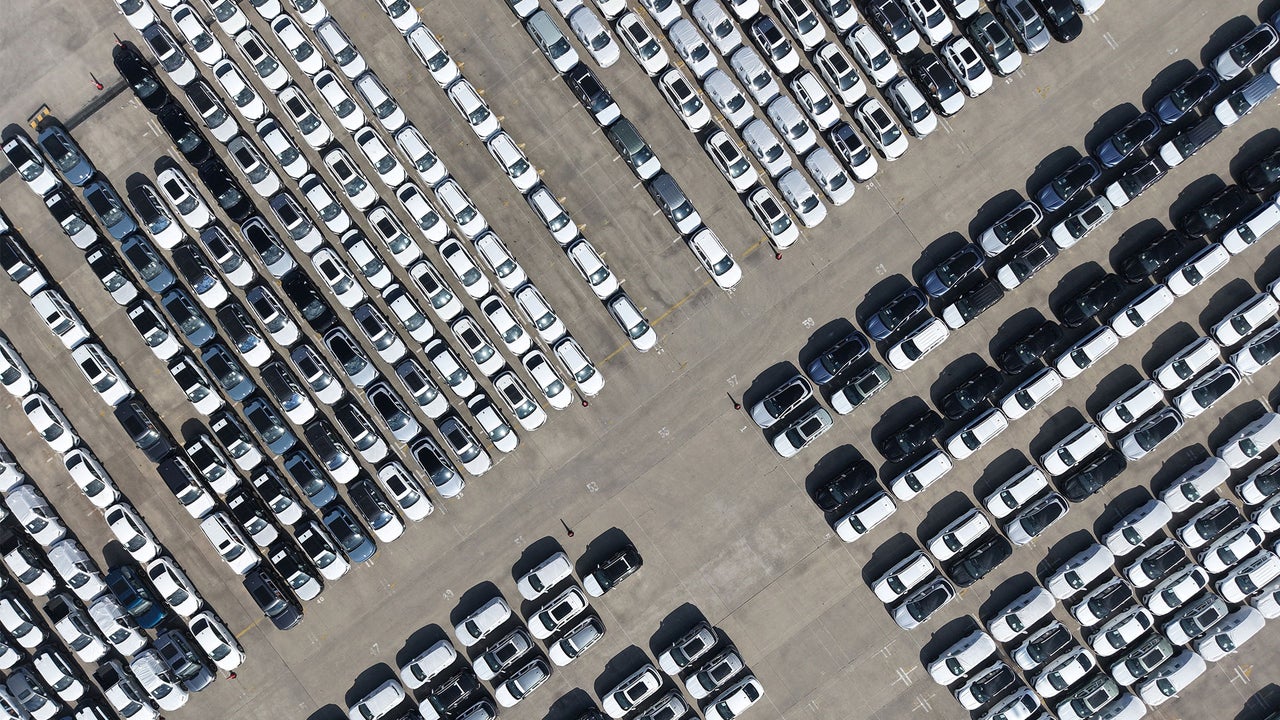
China's passenger car exports increased by 64% in September 2025, marking a growing trend as domestic sales remain slow, according to a report from the China Association of Automobile Manufacturers. The surge in exports was fueled by demand for electric and hybrid vehicles, with China shipping more than 919,000 passenger vehicles abroad that month. Over the first nine months of 2026, China's total export of passenger cars rose to over 7.1 million, up more than 70% compared to the same period last year.
However, the domestic market has been struggling, with September 2025 sales falling 27% year-on-year to over 1.6 million units. The slowdown in domestic sales has forced Chinese automakers to focus more on international markets, particularly Europe, Latin America, Southeast Asia, and Africa. Canada has also opened its market to Chinese EV exports under a new tariff deal.
European nations are implementing measures to limit Chinese hybrid vehicle imports, with the EU capping such imports at 350,000 annually. This policy has disrupted the profitable export growth Chinese automakers have enjoyed in Europe, as reported by Deutsche Bank analysts. Chinese carmakers have captured about 12% of Europe's new-car market in August and one in four hybrid sales in the region.
While geopolitical factors pose significant challenges, Chinese automakers are also expanding their production overseas. BYD, for example, has set up manufacturing plants in countries like Thailand, Indonesia, Brazil, and Hungary to mitigate risks from trade curbs and tariffs. This shift not only diversifies their production base but also reduces their exposure to international trade restrictions.
Written by urgent.news from Fast Company's reporting — not their text. Machine-written — may contain errors; check the original before relying on it.