Analysis: Bahlil takes on new role, questions remain over its purpose
Bahlil Lahadalia’s latest appointment as coordinating downstream and energy transition minister gives him an unusually broad mandate, as he will also retain his position as energy and mineral resources minister, though the scope of the newly established coordinating ministerial post is yet to be clearly defined in terms of authority and jurisdiction. The arrangement seems to be in line with the…
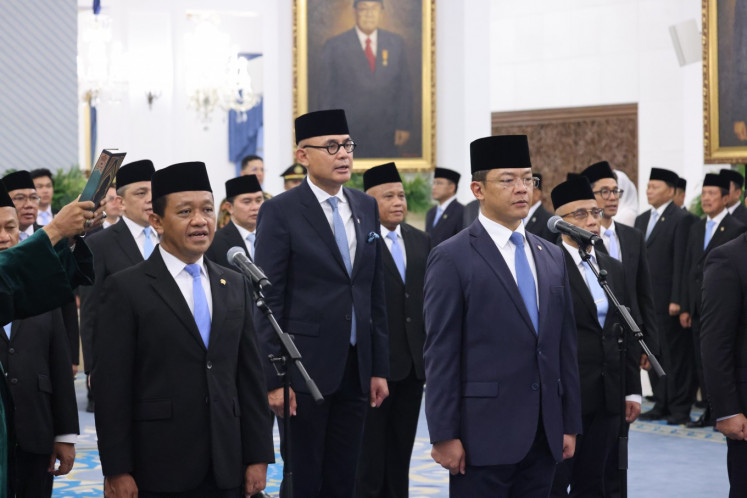
Indonesia's latest cabinet reshuffle has seen Bahlil Lahadalia appointed as coordinating downstream and energy transition minister, a role that expands his mandate significantly. While Bahlil retains his position as energy and mineral resources minister, the scope of his new coordinating post remains unclear. Critics question whether this new post will enhance coordination on Indonesia's downstream and energy transition agenda or merely add bureaucratic layers.
Bahlil, who has been involved in the energy sector previously, has described the dual role as a national responsibility, emphasizing the need to consolidate downstream development and the energy transition. The government aims to develop 28 commodities with an investment projected to reach US$618 billion by 2040. However, the energy transition is a major component of Bahlil's new mandate, with a goal of reaching 100 gigawatt-peak (GWp) solar power.
The government plans to revise PLN's Electricity Supply Business Plan and consider simplifying the procurement process for the first phase of 5.5 GW of solar capacity. Despite these ambitious plans, some critics argue that creating another senior ministerial post could complicate government coordination and add to the fiscal burden, contradicting President Prabowo's efficiency agenda.
Written by urgent.news from The Jakarta Post's reporting — not their text. Machine-written — may contain errors; check the original before relying on it.