Almost 80,000 older Australians expected to ditch private health over changes
Nearly 80,000 older Australians are expected to dump their private health cover by the end of the decade as a result of the federal government's controversial proposed changes, new analysis reveals.
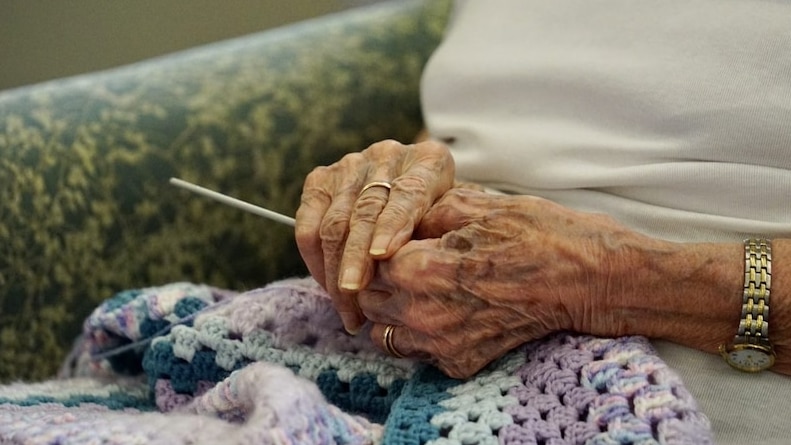
A projected 78,000 Australians aged 65 and over may abandon their private health insurance coverage by 2030, according to fresh analysis from the health department. The federal government is contending with a tough Senate vote on the proposed legislation. The changes aim to make private health insurance rebates more equitable, though the overall number of individuals with private health insurance is expected to rise.
Nearly 80,000 older Aussies are anticipated to discontinue their private health cover by the end of the decade as a result of the government's contentious proposed alterations. The estimate, nearly double the 44,000 figure often cited by the government to support the policy, suggests the rebate for Australians aged 65 and over will be reduced, freeing up $3 billion for other aged care system expenditures.
Health department projections released under Freedom of Information laws show that while 44,000 Australians are expected to drop their cover in 2028-29, that number is expected to increase to 78,000 one year later. The Coalition had previously relied on the smaller figure when defending the policy, suggesting either a lack of familiarity with its own briefs or deliberate misleading of older Australians.
Health department analysis highlights that the 44,000 figure represents the initial impact of the policy at a specific point in time, acknowledging the estimates' inherent uncertainties stemming from historical data and responses that may not accurately reflect future behavior under new policy conditions. The proposal has garnered criticism from various quarters, including the states and territories, aged care advocates, and the private health insurance industry, who argue that the move could strain the public health system and harm vulnerable older Australians.
The government relies on the $3 billion in anticipated savings from these changes, which it has earmarked for other significant aged care commitments. However, with the Coalition committed to blocking the legislation in the Senate, the government must secure the Greens' support for the bill's passage. The Greens have vowed not to endorse the legislation in its present form, and are exploring alternative measures, such as exempting pensioners from the changes.
Independent MP Monique Ryan urged the Greens to obstruct the bill, arguing that it disproportionately impacts pensioners, particularly low-income recipients. Health economists and policy think tanks have weighed in, with some endorsing the policy as a reasonable investment in aged care, while others advocate for reallocating the funds towards services that enhance health and reduce hospital demand.
Written by urgent.news from ABC News AU's reporting — not their text. Machine-written — may contain errors; check the original before relying on it.