Air quality unhealthy across Singapore amid sustained haze
Subsidised treatments for haze-related conditions took effect at Public Health Preparedness Clinics and polyclinics on Oct 12.
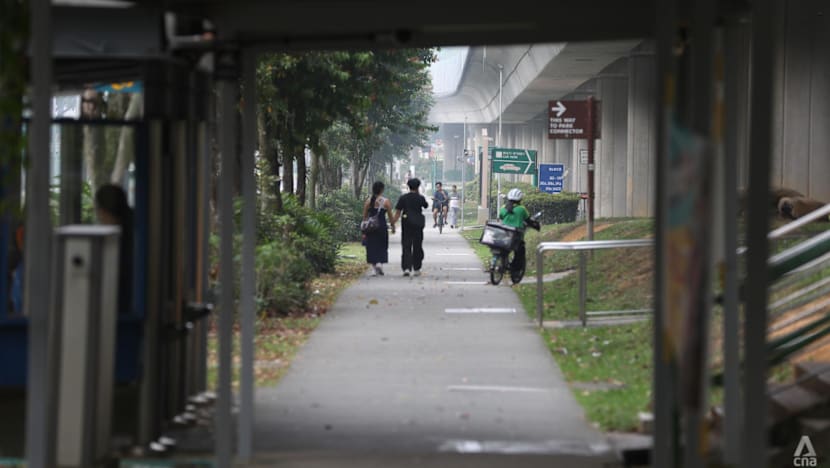
Singapore has once again been ranked the world's most polluted city, according to air quality monitor IQAir. Fires in Borneo and Sumatra, exacerbated by a potent El Nino weather event, are spewing toxic haze into the region. The nation has introduced subsidies for medical treatment related to haze and temporarily closed schools in certain parts of Malaysia.
The fires have led to a surge in respiratory illnesses, with tens of thousands affected, particularly in Singapore. The government has now activated a haze subsidy program, offering affordable care for conditions like allergic rhinitis, asthma, bronchitis, conjunctivitis, and chronic obstructive pulmonary disease. These treatments are capped at S$10 (US$7.80) for most Singaporeans and S$5 for elderly citizens aged 67 and above.
Singapore last deployed this scheme in 2015 during a severe haze episode caused by Indonesian forest fires, which caused widespread health issues, school closures, and flight cancellations. Meanwhile, Malaysia has seen a slight improvement in air quality, allowing schools to reopen in most areas, though southern Johor, Kuala Lumpur, and central Selangor remain under closure.
The Indonesian wildfires, fueled by the strong El Nino and slash-and-burn land-clearing, have worsened this year. The haze has also disrupted regional air travel, with Malaysian low-cost carrier Firefly canceling flights between Kuala Lumpur and Singapore during the haze episode.
Rewritten by urgent.news; may contain errors — check the original.
Sources: channelnewsasia.com · scmp.com
This story
This is one outlet's version. Read the fullest account.