AGI urges investment in skills and raw materials to strengthen local manufacturing
The Association of Ghana Industries (AGI) is stepping up efforts to strengthen Ghana's garment, textiles and leather sector, following the government's decision to engage local manufacturers to produce uniforms and other apparel for the security services.
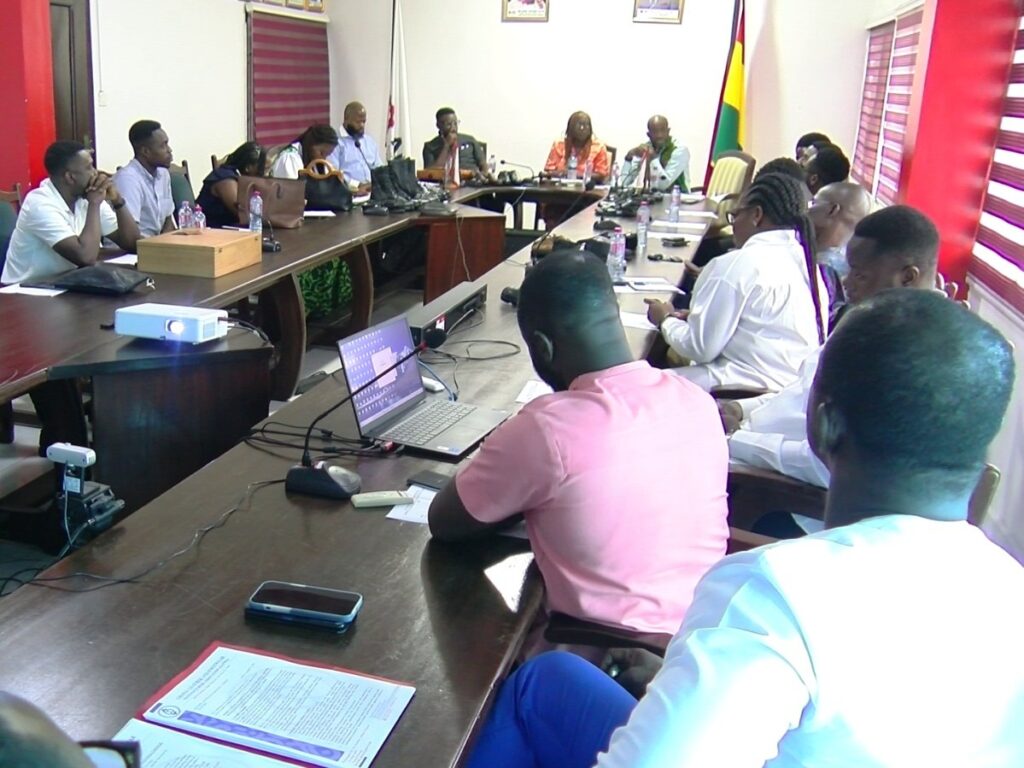
The Association of Ghana Industries (AGI) is working to bolster Ghana's garment, textiles, and leather sector after the government pledged to engage local manufacturers in producing uniforms and apparel for security services. While the initiative holds promise for boosting local businesses, industry leaders warn that addressing skill gaps, high production costs, and limited raw material access will be vital to expanding industry demand.
AGI's Garment, Textiles and Leather Sector Chairperson Edwina Assan explained that the association is teaming up with training institutions and industry players to cultivate the necessary skills for local production. However, she noted that many institutions lack the expertise and personnel to adequately train workers, making partnerships with seasoned manufacturers essential.
Assan emphasized the need for initiatives that will enable industry players to collaborate with these institutions in providing training. Assan also highlighted high costs associated with imported raw materials and other production inputs as significant hurdles for local manufacturers. She stressed that transitioning to locally sourced materials would not only trim manufacturing expenses but also make Ghanaian products more competitive in the market.
"Only when we have our raw materials produced locally can we also produce at a cheaper price and be able to pay well," she asserted. Tonyi Senayah, CEO of Horseman Shoes, echoed these concerns, urging Ghana to proactively develop the skills of local footwear and leather businesses before considering limitations on imported goods.
Senayah questioned whether local companies possess the production capacity to meet domestic demand, arguing that bolstering the industry must go hand in hand with investments in skills, enterprise development, and market access. "Our advocacy is that we start building the capacity of players or enterprises in the footwear and leather space.
And we have to be intentional," he emphasized. Senayah pointed out that thriving industrial economies cultivated their manufacturing sectors through purposeful policies and steadfast support for local businesses. He believed that the leather industry holds substantial potential for job creation, especially among the youth, but stressed that local enterprises require appropriate support to expand and compete.
"By being intentional, we have to start building the capacity of these businesses, developing skills and also giving them access to market," Senayah concluded.
Written by urgent.news from MyJoyOnline Ghana's reporting — not their text. Machine-written — may contain errors; check the original before relying on it.