Advance voting opens as experts debate meaning of Alberta referendum results
Alberta Premier Danielle Smith has said she hopes Albertans vote yes to the first nine questions to give her some leverage to negotiate with the federal government.
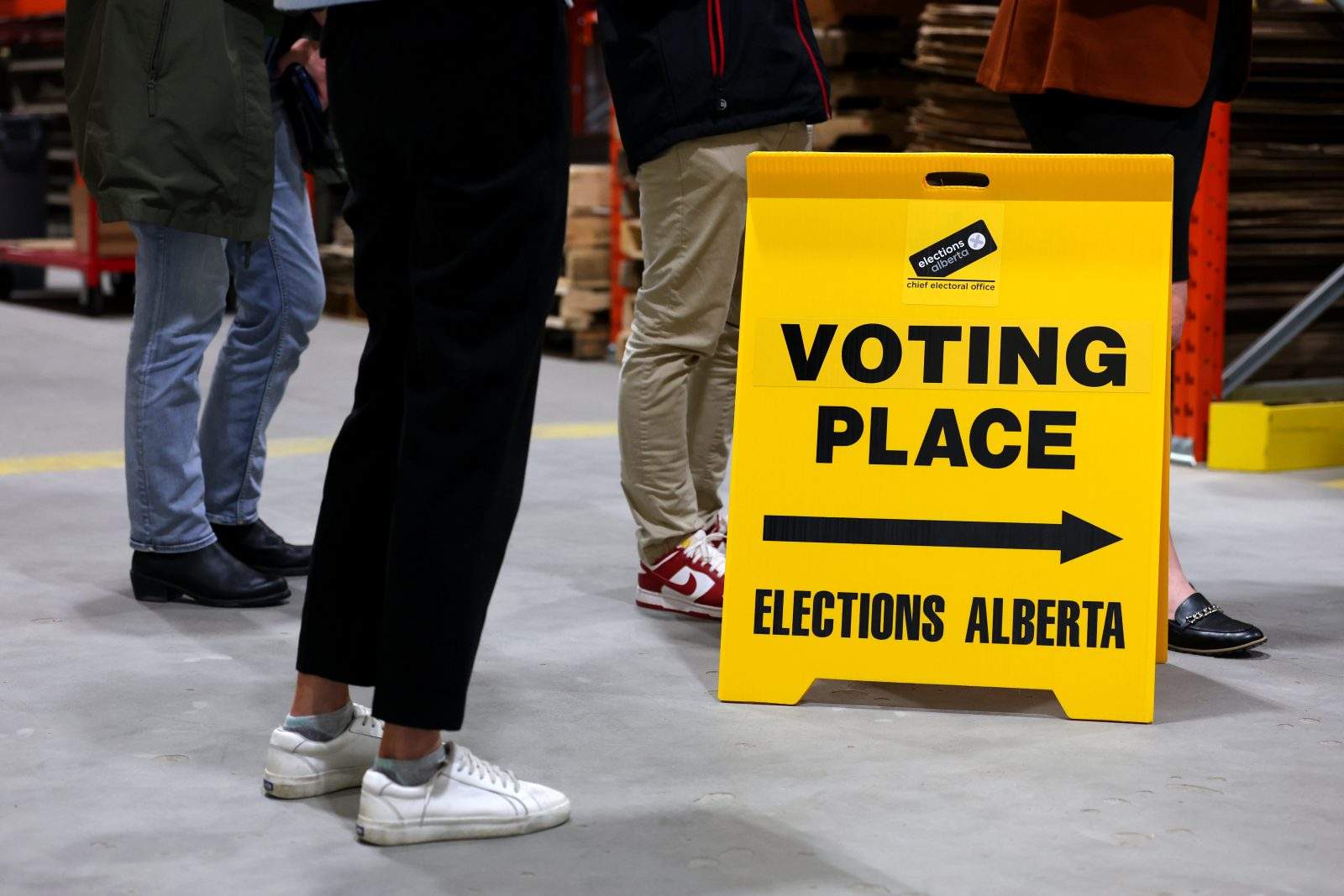
Advance voting commenced in Alberta as political experts discussed the implications of the referendum results. Grace Skogstad, a political science professor at the University of Toronto, expressed no concern about Canada's unity but acknowledged the complexity of interpreting the referendum outcomes. The referendum consists of ten questions, with the first nine focusing on immigration, the Constitution, and whether the Alberta government should initiate a binding provincial referendum on Alberta's potential separation from Canada.
Premier Danielle Smith hopes Albertans will vote "yes" to these questions to negotiate with the federal government. However, Skogstad noted that the government lacks authority to act on some constitutional questions, particularly Question seven, which asks if voters support Alberta working with other provinces to abolish the Senate.
Skogstad emphasized that the Senate has a veto over the Senate's abolition, making it challenging for Alberta to make decisions independently. She also criticized other questions as broad, potentially leading to confusion for voters. In her view, separation movements are typically driven by national grievances, such as Quebec's focus on language and culture, but Alberta's referendum is primarily based on economic grievances.
Skogstad argued that economic issues should be addressed through public policy rather than a referendum.
The process of holding a referendum is seen as disruptive, potentially dividing Alberta itself. Prime Minister Mark Carney expressed concerns about the long and uncertain nature of separation, emphasizing that Canada should remain united during these times. The Canadian government listed the Pacific Link pipeline as a project of national interest, as it would transport oil from Edmonton to a deep-water terminal off the coast of British Columbia for export to Asian markets.
Carney's Thanksgiving video message highlighted the need for unity at a time when Canada is working together.
In anticipation of a significant voter turnout, Elections Alberta has prepared for the referendum by hiring over 44,000 election workers and increasing the number of advanced voting locations. Advanced voting begins on Tuesday, Oct. 13, and continues until Oct. 17, providing voters with five days to cast their ballots. To make the voting process smoother, Gurney advises voters to visit off-peak times and bring their voter cards or any form of ID.
Written by urgent.news from Global News's reporting — not their text. Machine-written — may contain errors; check the original before relying on it.