2,300-year-old shipwreck off Croatia yields rare pottery and wooden remains
A significant shipwreck has been discovered off the Croatian island of Vis, containing artifacts from the Hellenistic period. Archaeologists recovered various objects, including pottery, wooden remains, and personal items from the merchant vessel. The findings date back approximately 2,300 years, shedding light on ancient maritime commerce. Unique discoveries include drinking vessels, a coin from…
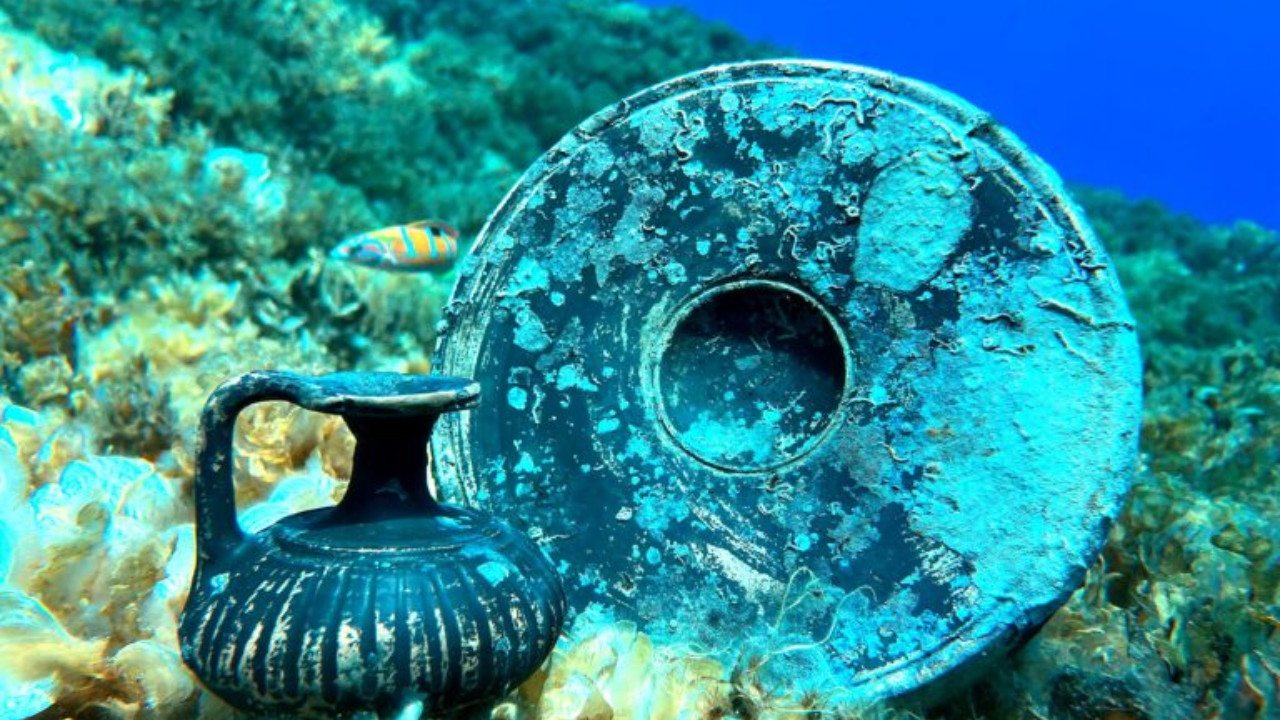
Off the coast of Vis, an ancient shipwreck dating back approximately 2,300 years has emerged, offering a rare glimpse into the lives of sailors during the Hellenistic period. The merchant vessel, now lost to the depths of Gnjilna Bay in Croatia’s Dalmatian coast, yielded a treasure trove of artifacts during archaeological excavations between 2023 and 2025.
Among the most significant finds are parts of the vessel itself, including around six meters of preserved wooden construction, such as the hull, keel, and planking. Researchers also recovered a lead anchor component, identified as belonging to the Haldane II A type. These wooden remains provide valuable insights into the construction methods of merchant ships from the era.
A striking aspect of the discovery is the ceramic collection, which includes drinking vessels, such as skyphoi, kantharoi, and askoi, as well as bowls, plates, salt dishes, and aryballoi. These smaller vessels suggest the ship transported more than just cargo, but also served as a space for everyday activities like drinking and serving. The collection also features pottery with possible personal names, adding a human touch to the ancient remains.
One particularly noteworthy discovery is a coin from ancient Pharos, dating back to the fourth century BCE. Although the coin cannot pinpoint the ship's precise route, it provides another link to the commercial and cultural environment in which the vessel operated. The shipwreck's finds also include animal bones, aquatic fauna, and an assortment of amphorae, shedding light on the trade network that connected Greek settlements, Italian coastal communities, and the eastern Adriatic during the Hellenistic period.
The discovery is especially important as it represents the first identified shipwreck with Greek fine pottery, making Gnjilna a crucial site for understanding the objects that accompanied maritime trade. The assemblage of artifacts provides valuable evidence of the commercial networks that linked various communities along the Adriatic coast during this ancient period.
Written by urgent.news from Times of India's reporting — not their text. Machine-written — may contain errors; check the original before relying on it.