World Bank warns of mounting pressure on developing economies
AgenciesThe World Bank is in discussions with 30 to 40 countries about potential crisis aid to help them manage energy shocks and price increases triggered by the war in the Middle...
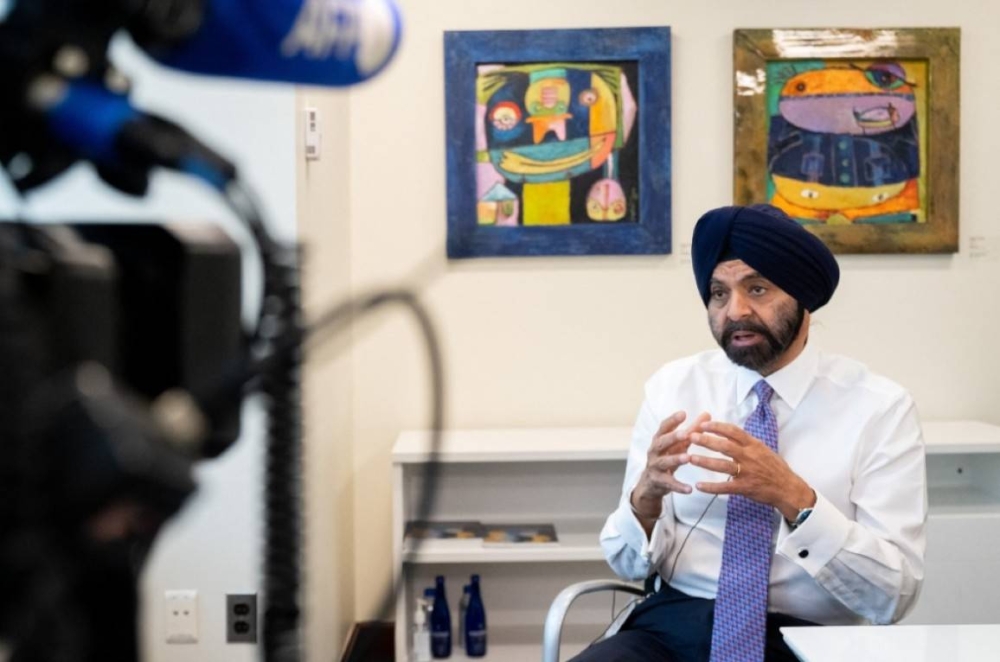
The World Bank is engaging in discussions with 30 to 40 countries regarding potential crisis aid to help them cope with energy shocks and rising prices resulting from the Middle East conflict, according to its president Ajay Banga. While the global economy has shown resilience due to significant investments in AI and supply-demand adjustments for oil, challenges persist for developing nations.
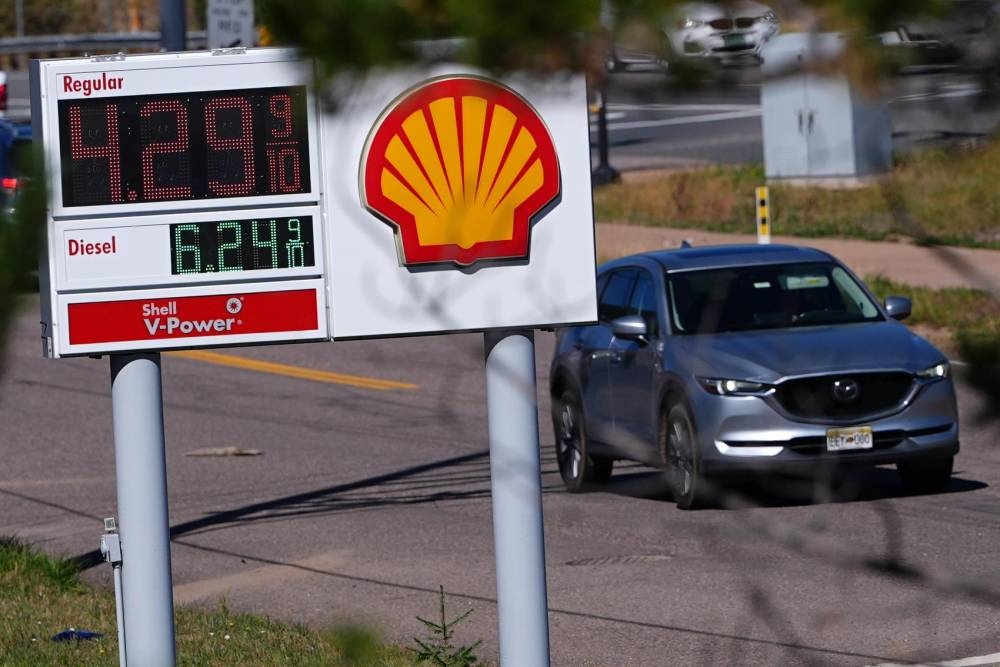
The spike in diesel, fertilizer prices, and other factors, including the imminent El Niño weather event, are exacerbating the difficulties faced by these countries. Banga anticipates that more nations will seek financial assistance within the initial $50 to $60 billion window, which includes the original $25 billion and an additional $35 billion that can be accessed by reallocating resources from approved World Bank projects.
Many developing countries are grappling with the impact of high energy prices and increased borrowing costs, coupled with already depleted fiscal resources due to the COVID-19 pandemic and the subsequent inflation surge triggered by Russia's invasion of Ukraine. The World Bank estimates that developing countries owe external creditors approximately $400 billion in 2026, with interest payments accounting for one-third of the total.
Banga highlights that more countries are interested in restructuring existing projects rather than immediately tapping the crisis window for liquidity support. If the situation deteriorates further, the Bank could make up to $100 billion in funds available, surpassing the $70 billion disbursed during the pandemic. The World Bank recently announced a record $112 billion in private capital inflows in the year ending June, a 50% increase compared to the previous year.
Banga emphasizes the importance of utilizing all available resources, particularly given the decline in official bilateral development aid from Western countries. He expects further growth in private capital flows in the coming years, driven by expanded political risk guarantees from the Multilateral Investment Guarantee Agency, increased local currency financing, and ongoing regulatory reforms.
However, there is still a need to boost private capital inflows in low-income countries, where the figure remains relatively low at around $3 billion.
Written by urgent.news from Qatar Tribune Business's reporting — not their text. Machine-written — may contain errors; check the original before relying on it.