World Bank in talks with dozens of countries about crisis aid, Banga says
BANGKOK: The World Bank is in discussions with 30 to 40 countries about potential crisis aid to help them manage energy shocks and price increases triggered by the war in the Middle East, its president, Ajay Banga , told Reuters in an interview. Banga said the global economy had proven fairly resilient, in part due to big AI investments and adjustments in supply and demand for oil, which meant…
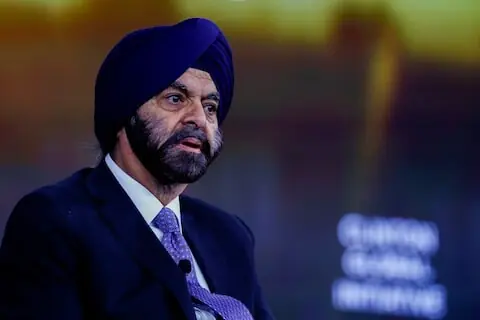
The World Bank is engaging in discussions with 30 to 40 countries regarding potential crisis aid to address energy shocks and price increases caused by the Middle East conflict, according to the bank's president, Ajay Banga. The global economy has remained resilient due to significant AI investments and supply-demand adjustments for oil.
While initial $25 billion in crisis funds was made available when the war began in late February, a sharp increase in diesel and fertilizer prices, as well as the looming effects of the super El Niño weather pattern, have heightened difficulties for developing nations. Banga anticipates that more countries will seek assistance from the $50 to $60 billion initially allocated, with resources potentially drawn from approved World Bank projects.
Developing countries have been impacted by soaring energy prices and higher interest rates, which have increased borrowing costs amid depleted fiscal resources from COVID-19 pandemic measures and inflation resulting from Russia's invasion of Ukraine. External creditors to developing countries owe about $400 billion in 2026, with interest payments accounting for one-third of the total.
Banga mentioned that more countries expressed interest in modifying existing projects rather than tapping the immediate crisis window for liquidity needs. If the situation worsens, the World Bank could provide up to $100 billion in funds, surpassing the $70 billion disbursed during the pandemic. The bank attracted a record $112 billion in private capital in the year ended June, alongside $123 billion invested from its own resources, totaling $235 billion.
Banga expects further growth in private capital flows due to expanded political risk guarantees from the Multilateral Investment Guarantee Agency, growth in local currency financing, and ongoing regulatory reforms. He also highlighted the need for increased private capital in low-income countries, where it has not multiplied substantially.
The World Bank and IMF are collaborating on initiatives to tackle high debt levels among developing countries, including debt-for-development swaps and guaranteeing debt rotations to fund education, healthcare, water, and nature programs.
Written by urgent.news from Business Recorder's reporting — not their text. Machine-written — may contain errors; check the original before relying on it.
This story
This is one outlet's version. Read the fullest account.
- World Bank: Colombia Expected to Outpace Brazil and Mexico in 2026 colombiaone.com
- World Bank in talks with dozens of countries about crisis aid: Banga businesstimes.com.sg
- World Bank in talks with dozens of countries about crisis aid, Banga says investing.com