Wild horses and donkeys dug desert wells used by 57 vertebrate species
Researchers studied wild horses and donkeys in the Sonoran Desert, which dig wells that attract diverse wildlife. The wells serve as critical water sources for various vertebrate species during dry periods. Observations indicated that these wells significantly increase water accessibility and create favorable conditions for cottonwood seedlings. The study highlights the animals' role as ecosystem…
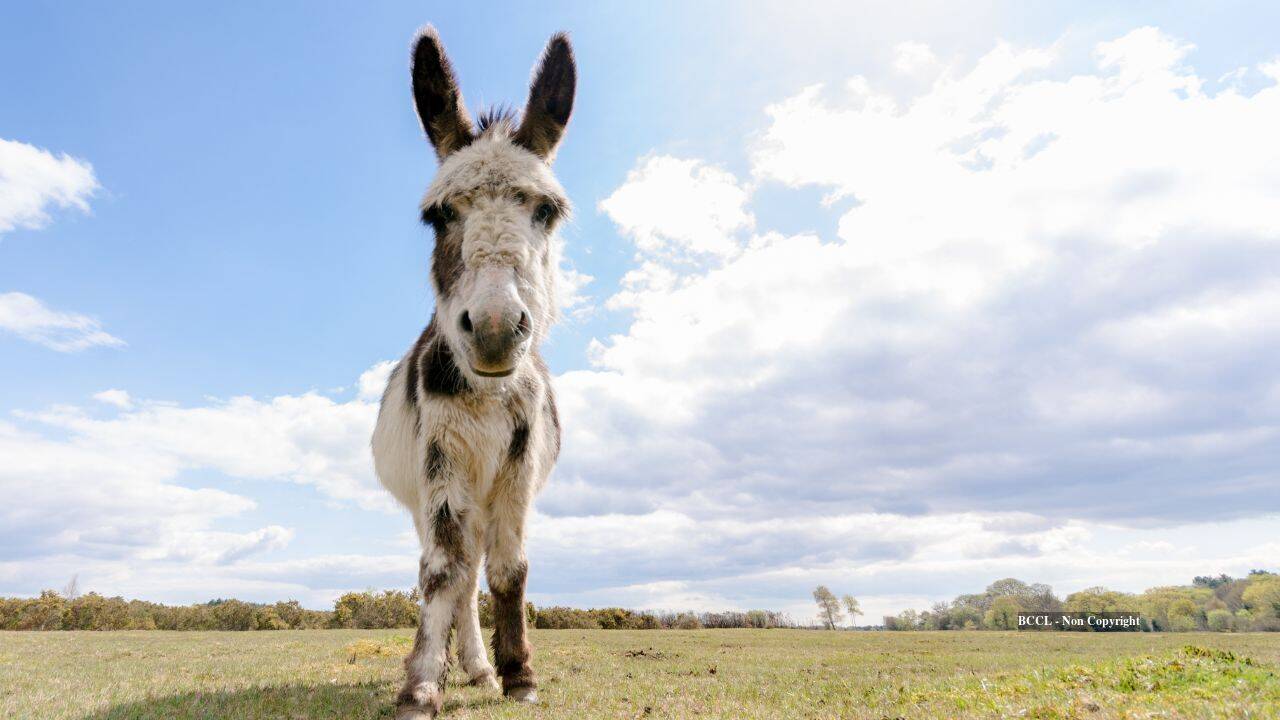
In the Sonoran Desert, wild horses and donkeys have been found to create wells that provide water to a variety of species. Researchers began tracking these wells in 2015 and discovered that they could supply up to 74% of the surface water at one site. Camera traps recorded 57 different vertebrate species, including migratory birds and large animals like mountain lions, visiting the wells.
The presence of these wells reduces the distance to water sources by an average of 843 meters, potentially easing competition among animals in a landscape where water availability is shrinking. Additionally, abandoned wells may create conditions suitable for cottonwood seedlings, which need moist, open ground to grow. While wild horses and donkeys can have negative impacts on drylands, such as trampling vegetation and competing with native species for resources, this study suggests that their wells may play a role in supporting wildlife in arid regions.
However, further research is needed to fully understand the significance of these wells on desert ecosystems and the broader implications of introducing species to new environments.
Written by urgent.news from Times of India's reporting — not their text. Machine-written — may contain errors; check the original before relying on it.