Who rules Negeri Sembilan? Royal row tests Malaysia’s constitutional order
The dust has yet to settle in Malaysia’s Negeri Sembilan, where a royal row has led to the fall of a state government and left the public wondering who, exactly, is in charge. Observers warn that the months-long constitutional crisis could create ripple effects well beyond the state’s borders, testing the entire nation’s systems of monarchy and government. The dispute centres on which of two men:…
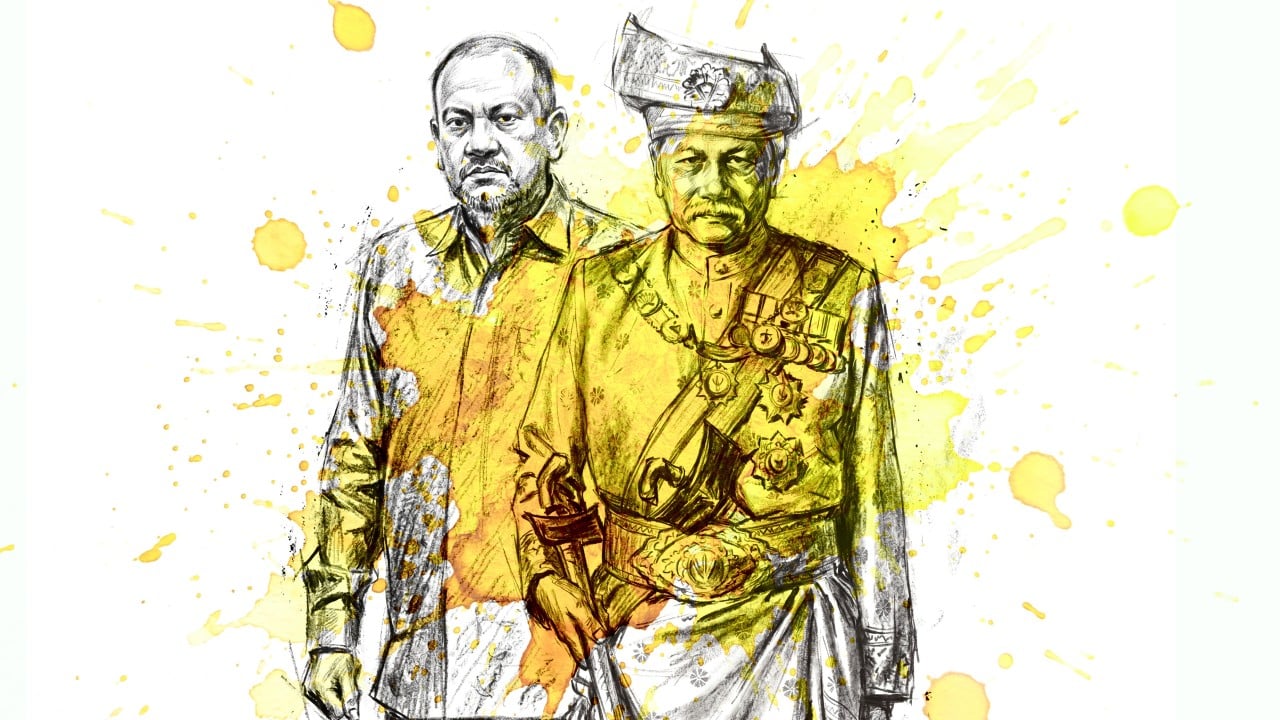
A constitutional crisis has erupted in Malaysia's Negeri Sembilan state over a royal dispute that has left the public questioning who holds authority in the region. The controversy centers on two men, Tuanku Muhriz Tuanku Munawir and Tunku Nadzaruddin Tuanku Ja’afar, both claiming to be the legitimate ruler of Negeri Sembilan. The issue stems from a proclamation issued by the state's four territorial chiefs, known as undangs, on April 19, which removed Muhriz and appointed Nadzaruddin as his successor.
The undangs, who are constitutionally empowered to choose the state's ruler, practice an elective monarchy instead of automatic succession by birthright. This unique system is rooted in a centuries-old matrilineal customary system called adat pepatih. Muhriz's office disputed the decision, citing a lack of evidence and past removals of undangs from their positions.
This led to a judicial review application at the Seremban High Court, seeking to compel the state's chief minister to sign and carry out the proclamation. The political turmoil extended beyond the royal court, with all 14 elected Umno state-level representatives resigning from the state administration in protest. The state's chief minister, Aminuddin Harun, claimed the responsibility for the ruler's status lies with the Dewan Keadilan dan Undang, the state's highest customary council.
Following the state election in August, Ismail Lasim, a veteran Umno leader, was appointed as chief minister, followed by the appointment of his 10-member state executive council, dominated by party colleagues. Despite the council's unanimous backing of the proclamation, the Attorney General's Chambers rejected its constitutionality, and the state secretary refused to act on it.
The palace swiftly responded by dismissing the entire state executive council, except for the chief minister, for violating their oath of office. The situation has caused significant concern among legal experts, who warn that the lack of executive leadership may not have immediate effects but could lead to competing centers of constitutional authority if the dispute continues.
The federal government's intervention in the matter has also created a direct conflict with the state administration, raising fears of a constitutional crisis that could have far-reaching implications for Malaysia's governance.
Written by urgent.news from South China Morning Post's reporting — not their text. Machine-written — may contain errors; check the original before relying on it.