What we wear, and what can be taken from us
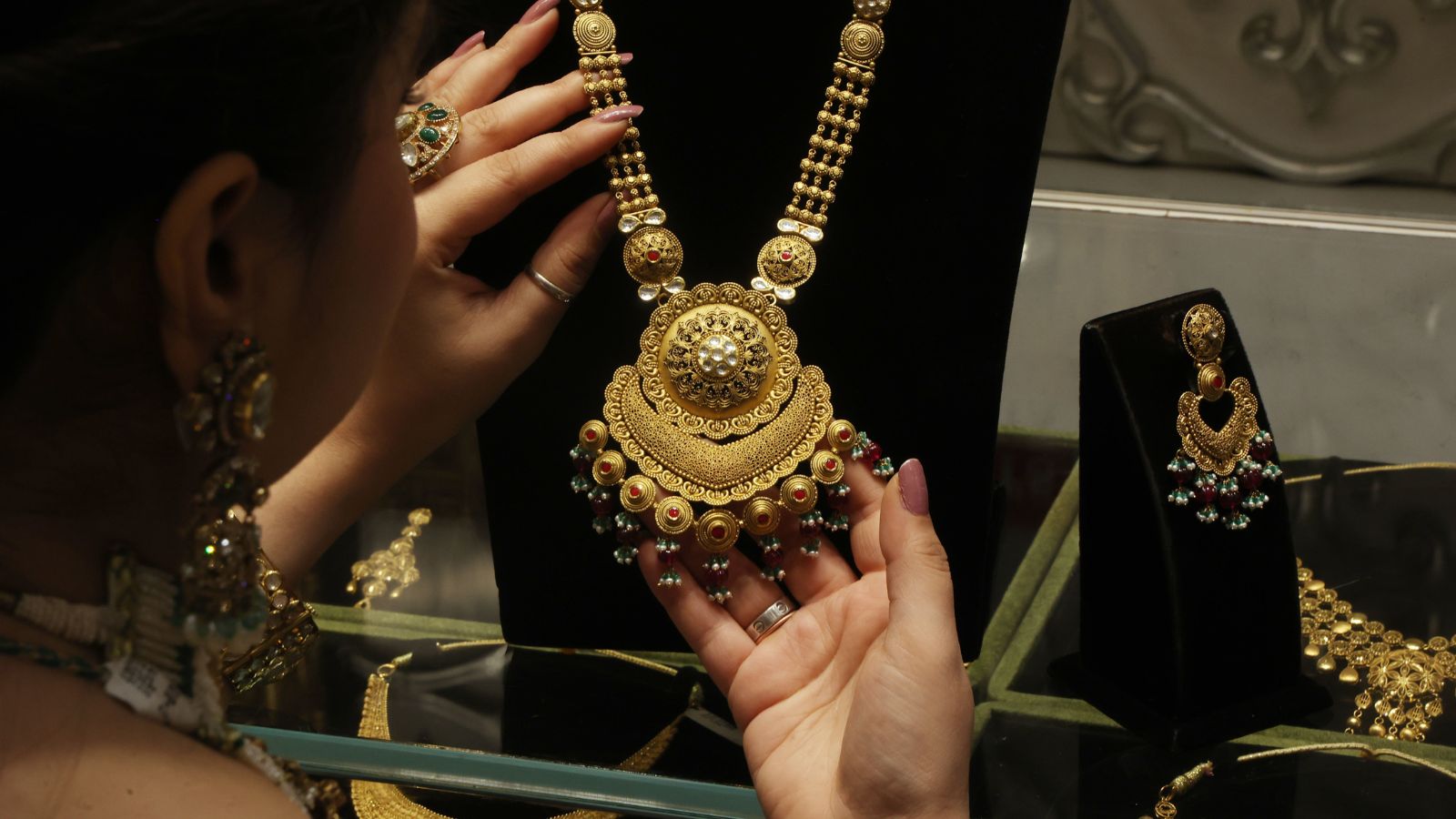
In India, a woman's identity is often defined by her attire, particularly her jewelry. Marriage is symbolized through items such as the mangalsutra, green bangles, and toe rings. These adornments are not merely decorative; they serve as declarations of a woman's status and her family's wealth. Upon a woman's widowhood, her jewelry is frequently removed, often violently, as if her grief must be externally displayed.
My aunt, Maya aattya, recounted a story of her sister's daughter who was widowed. A group of women quickly gathered to forcibly remove her bangles, believing it was their duty to do so. Maya aattya intervened, firmly stating that the jewelry should only be removed if the niece herself desired it, and when she was ready. This act, though seemingly subtle, was a powerful assertion of her niece's autonomy.
Maya aattya herself was a widow and acknowledged the courage required to stand up against tradition and family. Upon sharing her story, other women in their office recounted similar experiences of violence disguised as tradition and control disguised as care. The expectation that marriage alters a woman's appearance, even in subtle ways, was a topic of discussion.
In her village, widows continue to wear their mangalsutras not out of acceptance of their loss but for safety reasons. Mina Sutar, another widow, wears jewelry to avoid unwanted attention while she works. Maya aattya's intervention demonstrated the strength of women resisting societal expectations. The question is not whether women should wear jewelry but who decides.
The power to place or remove jewelry lies with the individual woman, a choice that should be respected and protected.
Written by urgent.news from The Indian Express's reporting — not their text. Machine-written — may contain errors; check the original before relying on it.