UK's Burnham accuses Russia of meddling in Brexit vote
The UK prime minister called for voters in Europe to be made fully aware of Russia's attempts to influence politics.

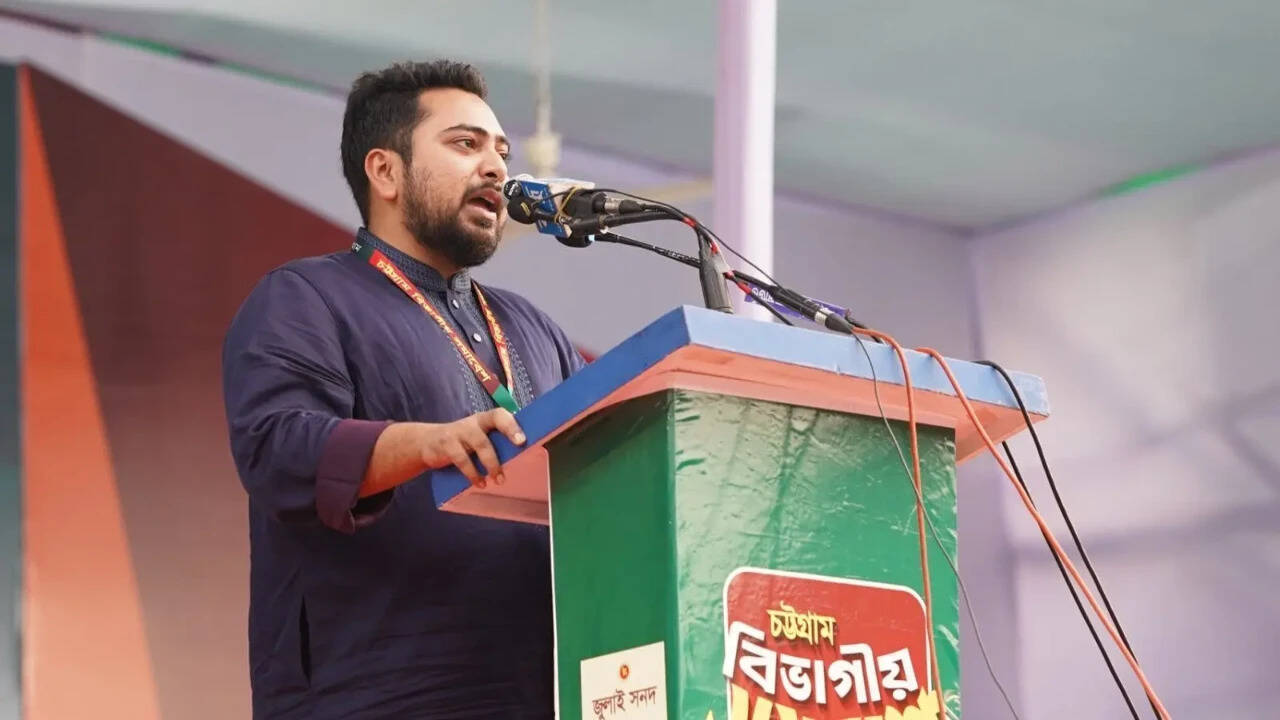
UK Prime Minister Andy Burnham has become the first British leader to publicly accuse Russia of interfering in the 2016 Brexit referendum. Burnham, who assumed office in July from Keir Starmer, believes that leaving the European Union has caused more harm than benefit and has opened the door to closer relationships, potentially even rejoining the bloc.
Speaking on The Rest Is Politics podcast, Burnham revealed he inquired about Russian involvement upon his arrival at Downing Street and was informed that such interference indeed occurred. He did not offer specific evidence of Kremlin efforts to sway the June 2016 vote, which resulted in a 52% to 48% majority for leaving the EU.
Burnham highlighted the rise of far-right parties in the UK and the EU, stressing that voters require accurate information about foreign attempts to undermine democracies. He emphasized the importance of addressing these issues, stating they need to be brought to light to help voters in Germany and France comprehend that some political manipulation is orchestrated by their adversaries, primarily Russia.
The former Chancellor of Germany, Friedrich Merz, told Burnham during a conversation in Berlin that the Alternative for Germany (AfD) party is clearly connected to Russia, being funded by the Kremlin. Burnham stated that there is indeed misinformation and disinformation originating from Russia into German politics. The UK Parliament's Intelligence and Security Committee (ISC) report from 2020 found that the government had not adequately evaluated how Russian state-run media and "troll" accounts could have influenced the Brexit vote.
The Committee also revealed that the Kremlin had attempted to impact Scotland's 2014 independence referendum, which was ultimately rejected by voters.
UK intelligence agencies believe Russia continues to spread disinformation to erode public trust through cyberattacks, sabotage, and espionage. They note that the problem is worsening, often facilitated by artificial intelligence (AI). Russia has consistently denied meddling in the affairs of other countries' elections or referendums.
In the aftermath of the Brexit vote, Russia characterized some British politicians as ensnared in an anti-Russian hysteria. A recent YouGov poll shows that a majority of people surveyed believe Britain made a mistake in leaving the EU, with the "Bregret" camp now at 60%, the highest percentage ever recorded.
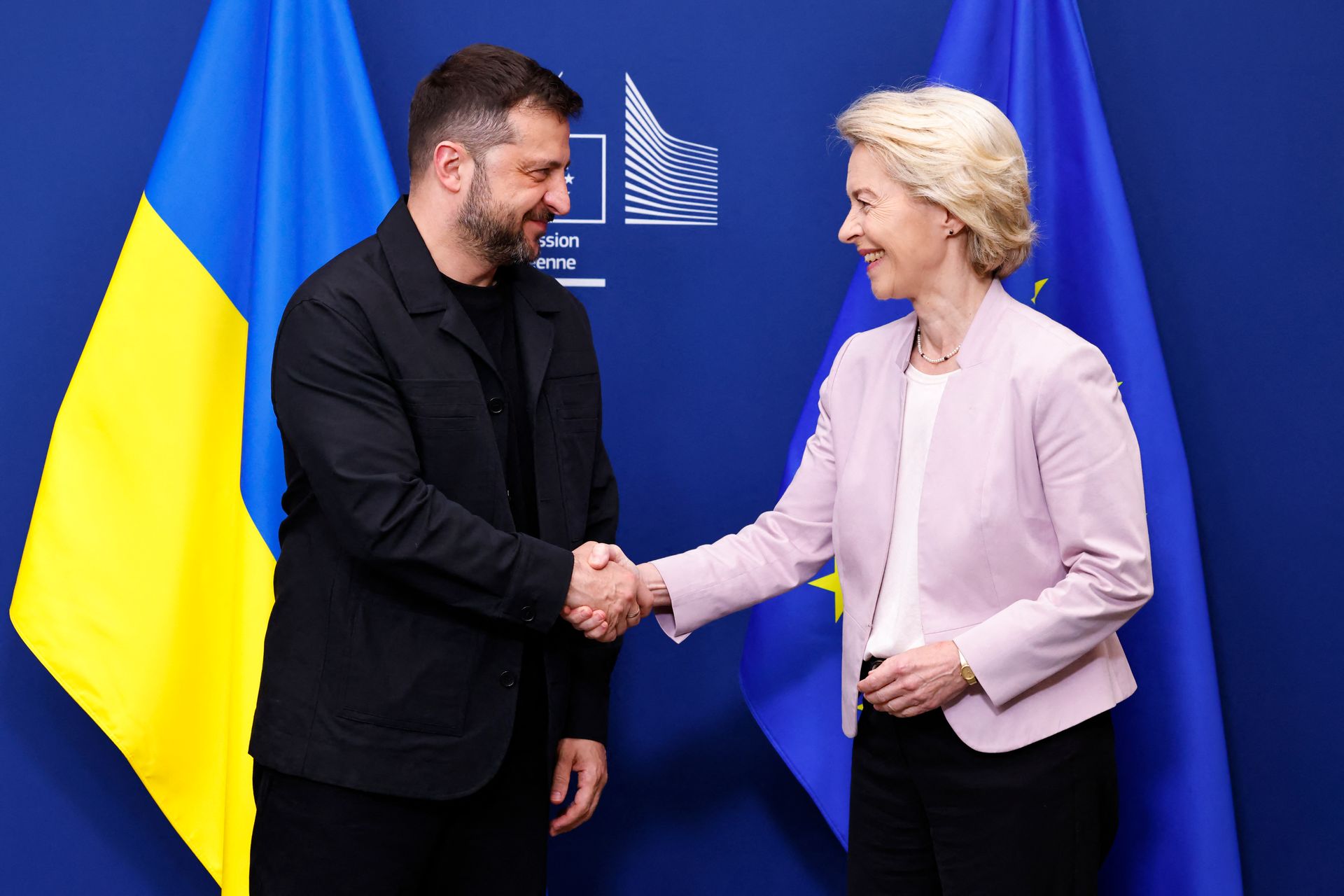
Burnham expressed his intention to foster a political consensus on the country's future relationship with the EU, even suggesting the possibility of advocating for Britain's reintegration into the bloc during his next campaign. EU officials have welcomed Burnham's more cooperative stance, with France and Spain expressing positive sentiments towards closer ties, including the potential of rejoining.
However, some experts remain skeptical about the prospects of rejoining, believing that it would rekindle deep political divisions, be complicated from both sides, and likely take years to accomplish.
Written by urgent.news from DW News's reporting — not their text. Machine-written — may contain errors; check the original before relying on it.