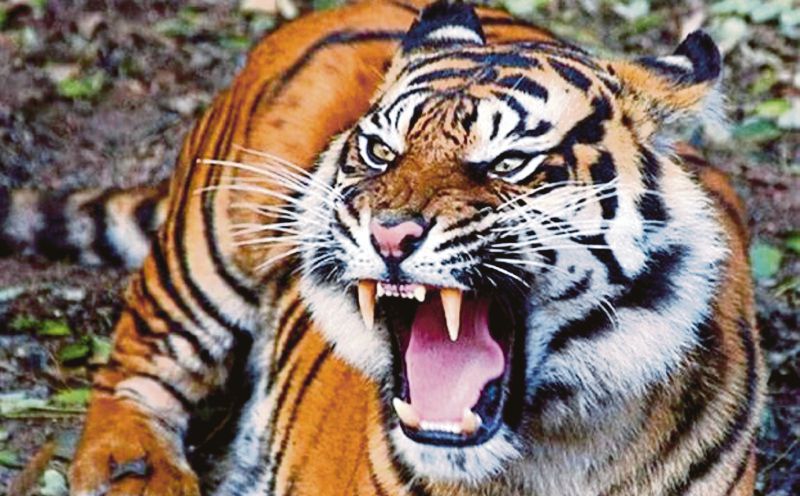
Tigers, tuna and otters show nature can still recover
Wildlife populations have fallen sharply worldwide, but a new WWF report highlights species that have rebounded when the right protections were put in place.

The Living Planet report released by WWF and the Zoological Society of London reveals a troubling decline in global wildlife populations, with an average loss of 73% since 1970. However, the report also highlights instances where nature has shown remarkable resilience and the potential for recovery when proper protections are established.
Species such as tigers, sea otters, European bison, green turtles, and Atlantic and Pacific bluefin tuna have demonstrated signs of recovery, with their populations rising or remaining stable.
The recovery of tigers, for instance, has been attributed to years of dedicated conservation efforts, leading to a 70% increase in their numbers since 2010. European bison have also been successfully reintroduced to 10 countries over the past five decades. Sea otters, once on the brink of extinction in the UK, have made a comeback across the country, while other species like beavers and white-tailed eagles have been successfully reintroduced after disappearing entirely.
Despite these positive developments, the report emphasizes that the global trend remains one of decline, driven by habitat destruction, agriculture, and climate change. These factors, combined with deforestation, have led to the loss of crucial habitats and further stress on vulnerable ecosystems. The report underscores that while recovery is possible, it requires sustained action and policy measures to protect and restore wildlife populations.
The consequences of inaction extend beyond wildlife, impacting essential services like food production, fresh water, clean air, and climate regulation, which underpin around half of the global economy.
Written by urgent.news from Free Malaysia Today's reporting — not their text. Machine-written — may contain errors; check the original before relying on it.
This story
This is one outlet's version. Read the fullest account.
- Tigers, tuna and otters show nature can still recover freemalaysiatoday.com