This new solar panel tech could take it past a significant threshold
Researchers from the ICFO in Barcelona have turned a solar cell into a mirrored box to improve its function.
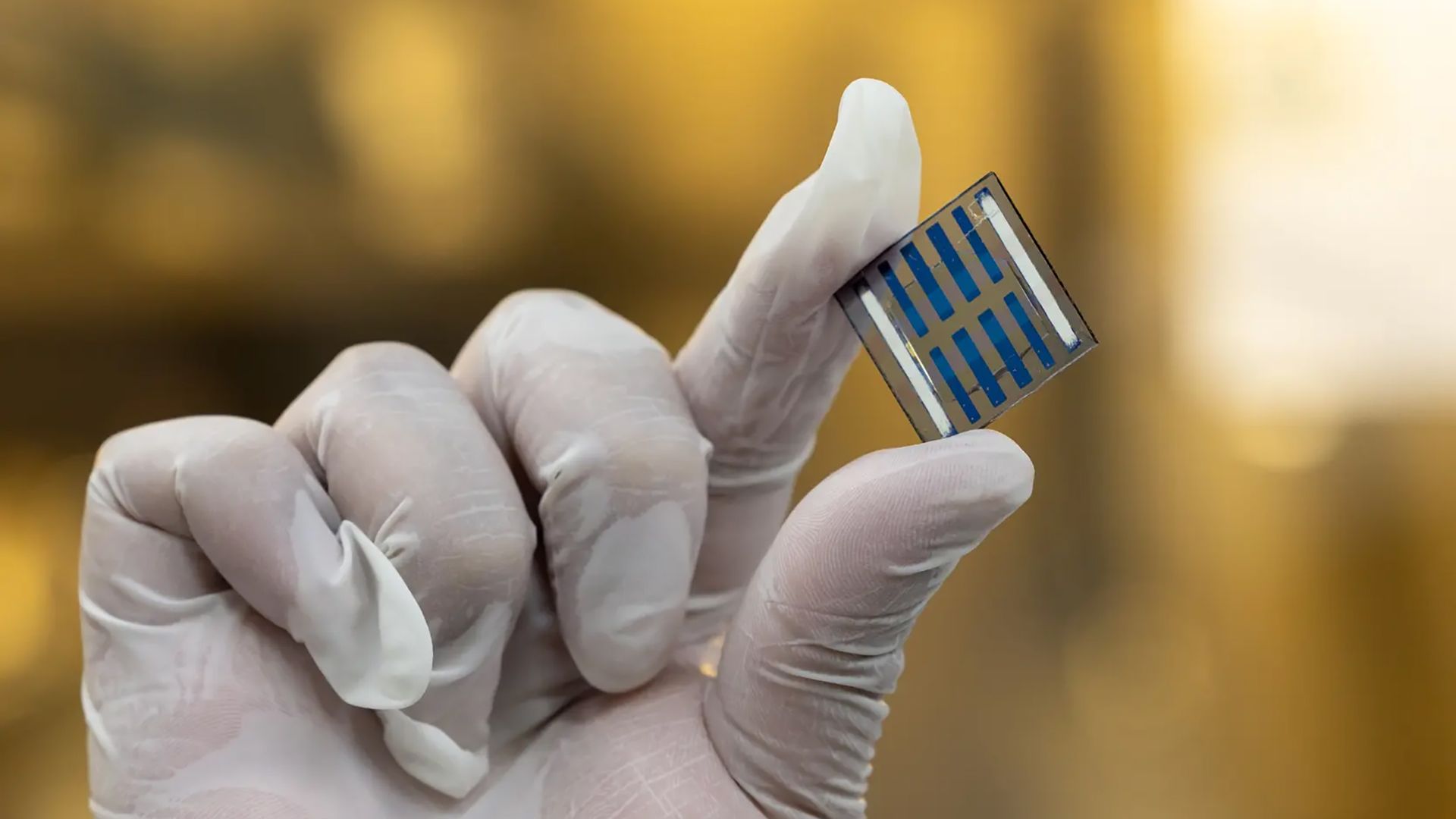
Solar power is becoming increasingly popular, and researchers at the Institut de Ciencies Fotoniques (ICFO) in Barcelona have made a significant breakthrough in solar cell technology. The research team discovered a method to potentially surpass the standard 33% efficiency ceiling for solar cells, which has been the limit for single-layer solar cells since the Shockley-Queisser limit was established.
This is achieved by addressing the infrared glow, or Boltzmann loss, that occurs when sunlight hits a solar panel and some of the photons are converted into heat instead of electricity. The ICFO team experimented with a standard solar cell by replacing the transparent front electrode with a very thin layer of silver. This thin silver layer allowed most of the light to pass through, operate as a conductor, and behave like a mirror, limiting the angles through which light could escape and improving the efficiency rate.
Dr. Francisco Bernal Texca, the lead author of the study, stated that their findings represent a significant step forward in solar energy conversion, opening a new route to surpass the Shockley-Queisser limit. The team predicts that with further refinement, efficiencies of up to 43% could be achieved, although current tests only show modest gains.
While other methods for increasing solar panel efficiency, such as stacking materials with different bandgaps, are also being explored, the ICFO team's silver-coated solar cell offers a promising new approach. As these technologies advance and become more commercially viable, the potential for generating more electricity from solar panels without increasing their size or cost is promising, helping to reduce reliance on fossil fuels and lower utility bills for consumers.
Written by urgent.news from TechRadar's reporting — not their text. Machine-written — may contain errors; check the original before relying on it.