This Classic '60s Western Was Deemed One Of TV's Most Violent Shows
Can a show really be too violent for TV? Back in the '60s, the U.S. Government seemed to think so - with one classic Western singled out as the worst offender.
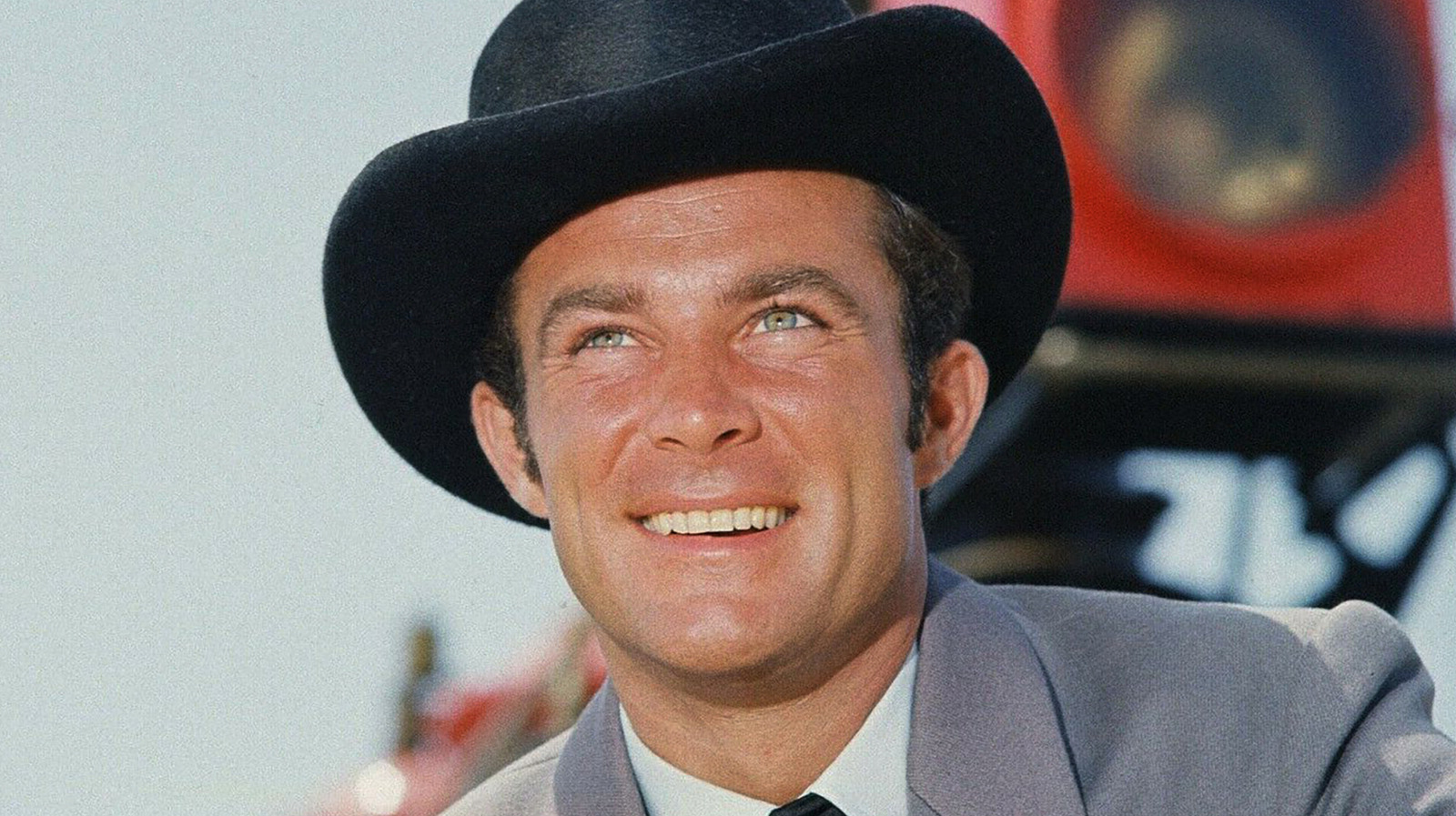
In the late 1960s, the Western television series, The Wild Wild West, captivated audiences with its blend of horse opera, science fiction, espionage, and pre-steampunk aesthetics. However, this innovative show also earned a notorious reputation for being one of the most violent programs on television, according to a 1969 government report.
The report, titled Mass Media and Violence: A Report to the National Commission on the Causes and Prevention of Violence, revealed that The Wild Wild West generated nearly seven incidents of violence per episode, a shocking statistic for the time. The series followed U.S. Secret Service agents, James T. West, played by Robert Conrad, and Artemus Gordon, portrayed by Ross Martin, as they used special orders from President Ulysses S. Grant to combat criminals and protect the nation's leader.
Despite facing government pressure and rising anti-violent sentiments following the assassinations of Dr. Martin Luther King, Jr. and Senator Robert F. Kennedy, The Wild Wild West held its own with a 32 or 33 share, which was considered average for its time. Producers believed the show's cancellation was a sacrificial lamb, ending its run after 104 episodes between 1965 and 1969.
While Robert Conrad, the star of the series, remained composed after hearing the news, he acknowledged that the time was right for new projects to emerge. For Ross Martin, the cancellation was a bittersweet moment, as the show they had created together had come to a close. Despite its cancellation, The Wild Wild West continued to live on through two made-for-TV revival films and a 1999 movie reboot starring Will Smith and Kevin Kline.
Regardless of its tumultuous journey, The Wild Wild West remains a Western television series that deserves a modern reboot.
Written by urgent.news from TVLine's reporting — not their text. Machine-written — may contain errors; check the original before relying on it.