The new energy permitting bill to feed the AI boom unites fossil fuels and clean power while dividing green energy and environmentalists
The legislation expedites everything from gas pipelines to solar farms, but potentially triggers more environmental risks.
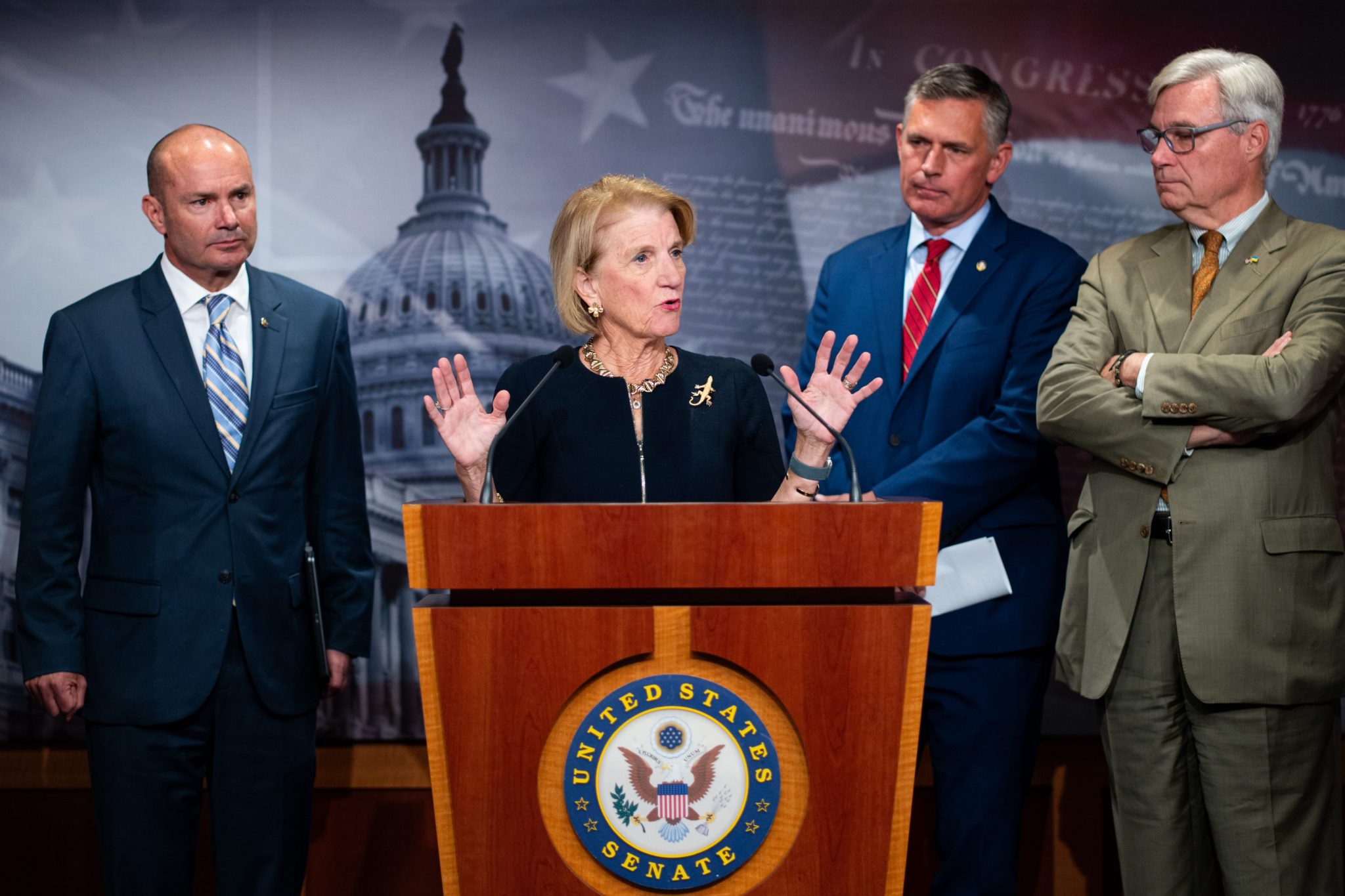
A landmark bipartisan energy permitting bill, the Bipartisan American Affordability and Jobs Act (BAAJA), is working to expedite construction of various energy projects, including renewables and fossil fuels, in an effort to fuel the AI boom. This legislation has sparked a surprising alliance between fossil fuel and renewable energy sectors, while also dividing green energy advocates and environmentalists.
The bill streamlines permitting timelines for solar farms, power lines, oil and gas pipelines, and more, making it more difficult for presidential administrations to cancel permits and narrowing environmental reviews. It also limits litigation outside of federal courts. This has drawn support from both Republicans and Democrats, with notable figures like Sens. Mike Lee, Sheldon Whitehouse, Martin Heinrich, and Shelley Moore Capito coauthoring the legislation.
Supporters of the bill, such as Ben Norris of the Solar Energy Industries Association, argue that it unlocks significant new clean energy and transmission capacity that would help lower energy prices and benefit renewables. They believe the unique approach of bundling various streamlining proposals into a single bill is worth the tradeoffs made in other areas.
However, critics like Earthjustice Action President Abigail Dillen argue that the bill's tradeoffs are too significant. While it does represent a breakthrough in transmission and grid modernization, it also weakens protections for water, wetlands, endangered species, and other basic environmental expectations. Dillen argues that the bill would lead to increased fossil fuel pipelines, gas-fired power plants, data center complexes, and overall pollution.
The fossil fuel industry, on the other hand, contends that the legislation would prevent states and environmental groups from using courts to stop projects for reasons beyond federal statutes. Toby Rice, CEO of a leading natural gas producer, is one of the biggest advocates for the bill.
Written by urgent.news from Fortune's reporting — not their text. Machine-written — may contain errors; check the original before relying on it.