The EU’s China dilemma: how to counter Beijing without alienating friends
In September, the Jaecoo 7 – a budget SUV from China’s Chery Automobile – made headlines when it shifted more than 10,000 units to become Britain’s bestselling car. Christened the “Temu Range Rover” online, a nod to the cheap goods available on the Chinese online marketplace and the luxury 4X4 made by Jaguar Land Rover that it resembles, its success showed British drivers’ new-found taste for…
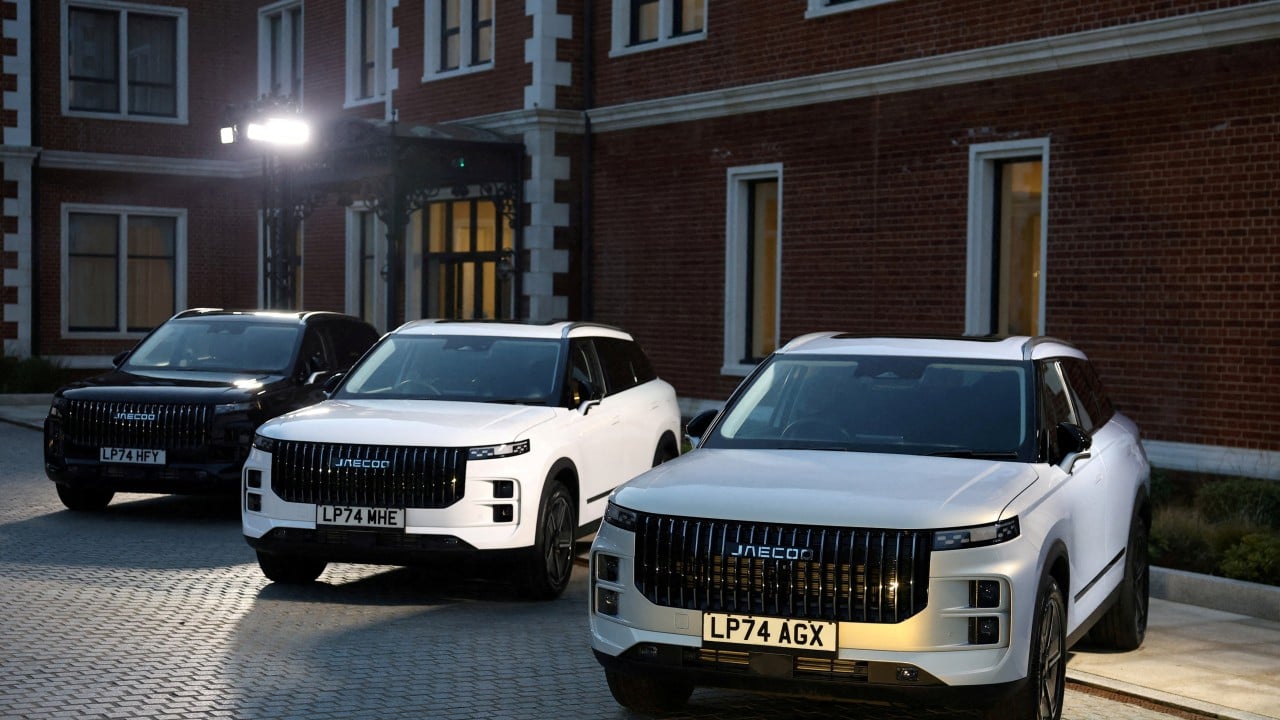
In September, the Jaecoo 7, a budget SUV from China's Chery Automobile, became Britain's best-selling car, with over 10,000 units sold. This surge in Chinese car sales prompted Britain to consider matching EU tariffs of up to 45 percent on Chinese-made electric vehicles to gain access to manufacturing subsidies. Meanwhile, the EU is contemplating import restrictions on Chinese-made hybrids, including the Jaecoo 7.
The EU has long sought to align Britain's stance on EV tariffs to prevent cheap Chinese cars from flooding the European market. Brussels' Industrial Accelerator Act (IAA) could provide leverage to pressure London into adopting tougher measures against Chinese car imports. This legislation aims to boost European manufacturing and reduce dependence on foreign suppliers, particularly China.
However, the IAA has raised concerns among European allies and partners. Critics argue that the law could disadvantage companies from trusted international partners, including Britain, Japan, and South Korea, unless they receive exemptions. This has sparked debates over the balance between countering China's industrial prowess and maintaining relationships with close allies.
Germany wants to allow countries with which the EU has free-trade agreements access to the IAA's benefits, while France favors a narrow, yet broad, approach. Ultimately, the EU must tread carefully to avoid undermining the value of existing free-trade agreements while addressing legitimate concerns about China's industrial practices.
Written by urgent.news from South China Morning Post's reporting — not their text. Machine-written — may contain errors; check the original before relying on it.