The curios case of the Googlebook, optimised for Android but also why it's not
Google’s new Android-powered Googlebook laptops offer seamless mobile syncing, but poor native app support and high pricing make them a risky purchase.
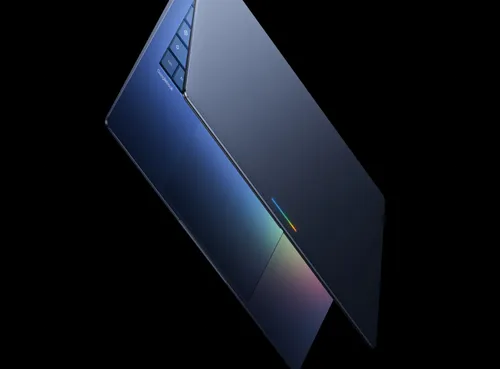
The unveiling of Google's new Googlebook laptops presents a perplexing strategic move by the tech giant. Instead of producing the hardware themselves, Google has teamed up with major players such as Asus, Acer, HP, Dell, and Lenovo. It's important to note that these Googlebooks should not be mixed up with the existing Chromebook line, which offers more affordable hardware running on the lightweight ChromeOS.
The name "Googlebook" may seem like a misstep, as Google already manages a digital reading and publication service called Google Books. This naming choice could create confusion for the average consumer. However, Googlebook aims to differentiate itself through its Android-based platform, Googlebook OS. With Android being familiar to most smartphone users worldwide, the transition to the interface should be smooth, allowing for seamless syncing of daily tasks and mobile apps with the desktop.
On paper, this ecosystem integration appears promising. Yet, in practice, it falls short. Although users can access their favorite mobile apps via the Google Play Store, there is a significant lack of software designed specifically for Googlebook OS. Most applications resort to a translation layer, rendering phone-centric apps usable on a PC screen.
Google labels these desktop apps in the Play Store under three categories: because of this workaround, the library of true native applications lags far behind established desktop ecosystems like Microsoft Windows and Apple macOS. This software shortage becomes especially glaring when considering the cost. Priced at $899 in the US when launched this month, South African buyers can expect to pay closer to R18,000 once import fees and supply chain logistics are taken into account.
While the base Googlebook and the MacBook Neo share a starting price, the Googlebook lacks the sleek design and performance of Apple's offering. At this price point, the Googlebook is significantly more expensive than Apple's entry-level MacBook Neo, which retails locally for R13,999. On the plus side, both the base Googlebook and MacBook Neo come with 256GB of internal storage.
However, Google's partners provide an extra 16GB of memory, an upgrade not matched by Apple's 8GB offering. Ultimately, though, hardware specifications alone cannot make up for the ecosystem's shortcomings. The glaring absence of dedicated desktop software is a major obstacle for the initial lineup, making any purchase a high-risk gamble.
Written by urgent.news from IOL's reporting — not their text. Machine-written — may contain errors; check the original before relying on it.
This story
This is one outlet's version. Read the fullest account.