THE BIG READ: The names on a record sleeve tell us an important story
A banner carried in Durban by South Africans told neighbouring governments to fetch their people. The names on a 1973 sleeve measure the debt South Africa owes the rest of the continent.
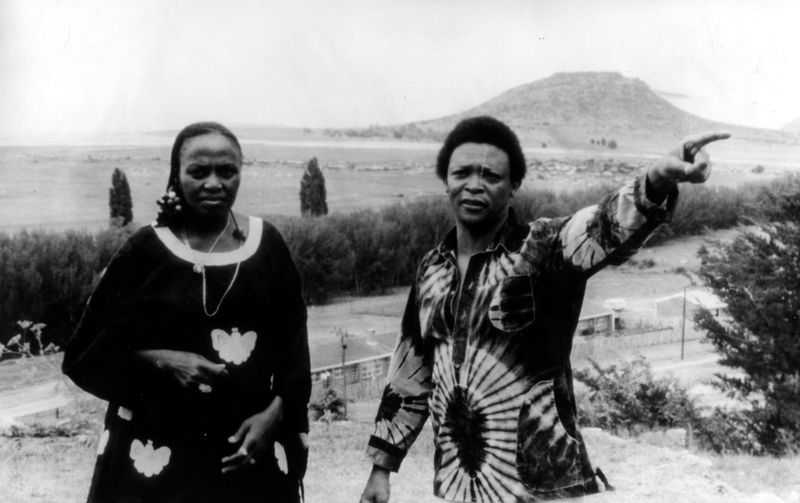
A record sleeve can tell an important story about the nations involved. In 1973, South African musician Hugh Masekela recorded an album in Accra, Ghana, with local musicians. This reflected the debt South Africa owed to the rest of the continent. On August 17, leaders from southern Africa met in Durban to address the treatment of their citizens.
Outside, protesters carried a banner demanding their people be "fetched." In 1974, Masekela returned to Hollywood to record a song titled "Stimela," which was inspired by the migration of workers to South Africa's mines. This song highlighted the connection between the economy and the people who built it. The record sleeve of Masekela's album featured Ghanaian musicians, emphasizing the debt owed by South Africa to the continent.
Today, South Africa's attitudes towards immigrants remain contentious, with some people expressing xenophobic sentiments. However, the majority of South Africans recognize that not all migrants are a threat. The government has a responsibility to address the concerns of its citizens while also acknowledging the historical contributions of migrants to the country's development.
Written by urgent.news from Daily Maverick's reporting — not their text. Machine-written — may contain errors; check the original before relying on it.