State of California sues 3D printer filament company Polymaker for promoting ghost guns by marketing to 3D-printed gun community
The newly formed Consumer Fairness and Public Protection Division is also targeting Roblox and AppLovin.
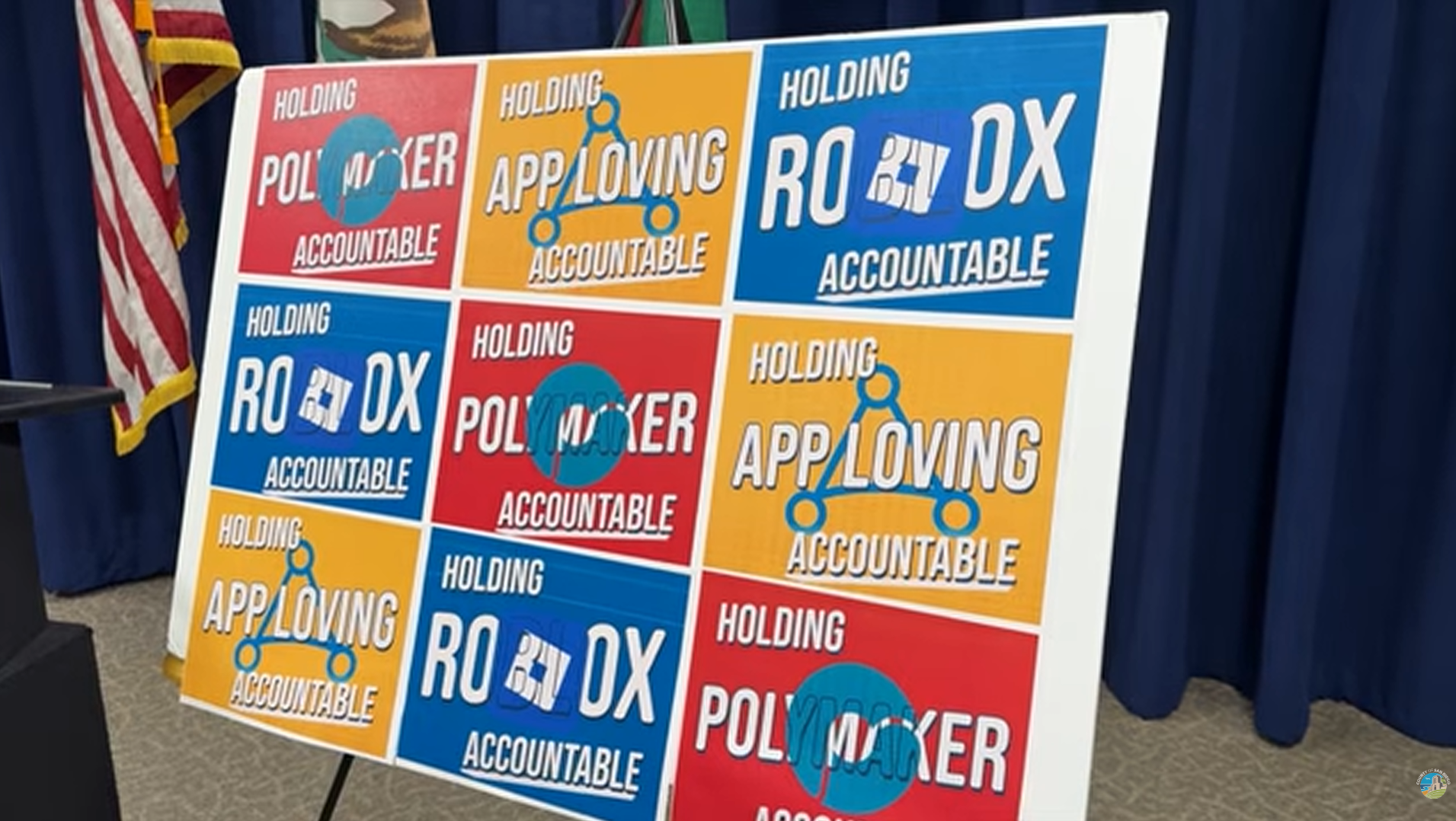
California has filed a civil lawsuit against Polymaker LLC, a major manufacturer of 3D printing filament based in Shanghai and Houston, for allegedly promoting "ghost guns" through targeted marketing. The case, filed on October 5, 2026, in San Diego County Superior Court, argues that Polymaker's filament marketing tactics appealed to gun enthusiasts, transforming harmless PLA filament into regulated firearm precursor parts.
According to the complaint, California law defines a firearm precursor part as any article marketed or sold to become or be used as the frame or receiver of a functional firearm after completion, assembly, or conversion.
The lawsuit seeks to recover profits, impose civil penalties, and seek injunctions against Polymaker. The complaint notes that while the 3D printing filament itself is not illegal, Polymaker actively cultivated and monetized the "ghost gun" community by hiring Sean Aranda, a well-known 3D printing expert and gun enthusiast. Aranda, who goes by The 3D Print General on social media, was previously banned from YouTube due to firearm policy violations.
Despite this, Polymaker sponsored Aranda's YouTube channel and later offered him a position as Head of Customer Experience, where he now serves as a Senior Technical Account Manager.
The lawsuit highlights the use of affiliate links in marketing, which allow content creators to earn a small commission for promoting products used in their content. Polymaker's website allows any creator to apply for affiliate links without specifying the type of content they produce or the size of their audience. The complaint calls this approach a common marketing tactic within the online creator community, which the prosecution argues contributed to the proliferation of ghost guns.
If successful, the lawsuit could set a precedent with far-reaching implications, potentially holding manufacturers liable in other states for content created in their home states.
Written by urgent.news from Tom's Hardware's reporting — not their text. Machine-written — may contain errors; check the original before relying on it.