Riyadh attack: Iran cannot distance itself from outsourced Houthi violence
The deaths of at least 12 people and injuries to more than 300 others in Saturday’s shocking attack on Riyadh’s King Khalid International Airport is a reminder of the threat posed by Yemen ’s Houthi militia. Among the victims were Saudi and foreign citizens en route to work, travel or worship. An airport that should have been a place of safe passage became a scene of terror and devastation. The…
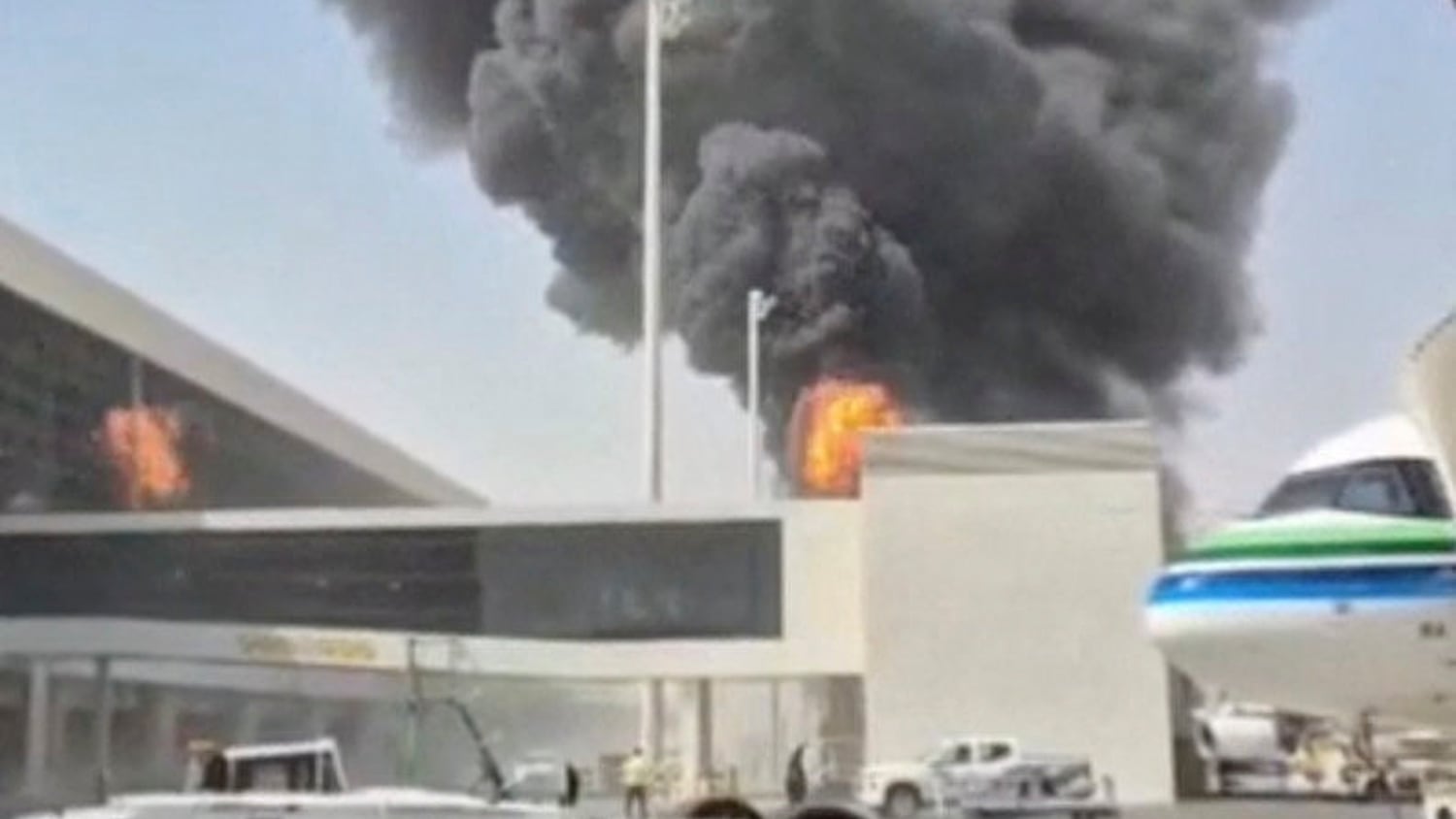
The tragic attack on Riyadh’s King Khalid International Airport claimed the lives of at least 12 people and left over 300 others injured, a grim reminder of the dangers posed by Yemen’s Houthi militia. Among the victims were both Saudi and foreign citizens traveling for work, leisure, or worship. The airport, which should have been a sanctuary, turned into a scene of terror and devastation.
While the Houthis are directly responsible for this heinous act, Iran, which supports the rebels, also shares the blame. Tehran cannot claim to be a responsible regional actor while distancing itself from the violence its influence enables. Iran’s strategy of "forward defense" has long relied on cultivating armed groups that can project power beyond its borders.
However, recent setbacks have exposed the limits of this approach. The Houthis’ capability to launch missiles and drones against civilian infrastructure demonstrates the potential damage such networks can still inflict. Iran’s military support for the Houthis is well-documented, but it also contradicts statements from some prominent Iranians, such as President Masoud Pezeshkian, who have advocated for regional engagement.
Former Foreign Minister Mohammad Javad Zarif has even criticized Tehran’s hardline stance that treats much of the external world as a threat. Diplomacy cannot succeed when those in power in Tehran continue to support a militia that not only oppresses Yemenis at home but also targets soft spots overseas. Moreover, Houthi escalation does not provide the leverage Iran may think it has.
It invites retaliation and weakens the case for regional security cooperation, making Gulf neighbors less likely to trust Iranian assurances. Consequently, the environment becomes more dangerous and unpredictable, making miscalculations increasingly likely. Houthi escalation is not a leverage point for Iran; instead, it strengthens the argument for regional security cooperation and diminishes Gulf neighbors' trust in Iranian promises.
Saudi Arabia has the right to safeguard its people and forestall additional attacks. The Houthis are endangering Yemenis through their actions. If Tehran’s leadership genuinely seeks to improve relations with its neighbors, they must go beyond calling for dialogue and reconsider military support for the Houthi campaign. Iran cannot enjoy the benefits of regional diplomacy while ignoring the consequences of its own strategy.
Written by urgent.news from The National UAE's reporting — not their text. Machine-written — may contain errors; check the original before relying on it.
This story
This is one outlet's version. Read the fullest account.