RBI measures: Rupee to gain sharply but forex liquidity likely to dry up
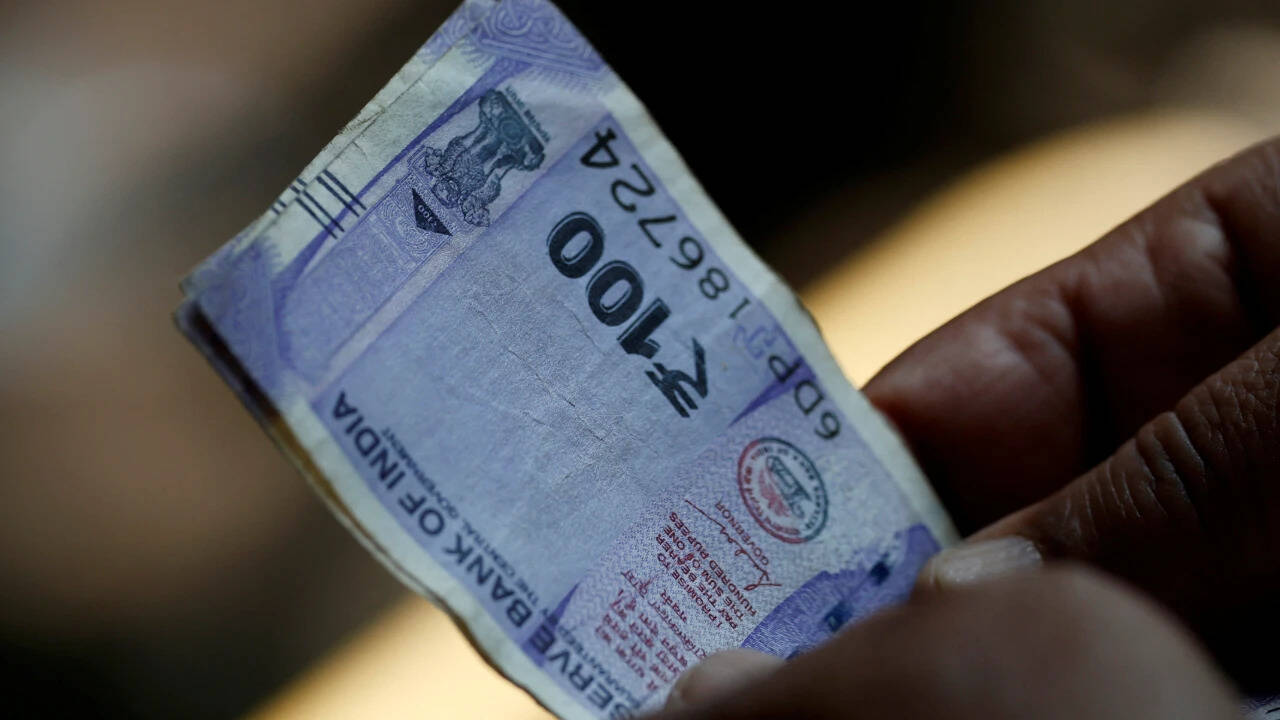
Foreign exchange dealers anticipate a significant appreciation of the Indian rupee, though liquidity in the forex market may tighten. The Reserve Bank of India's (RBI) stringent anti-speculation measures and stricter documentation rules could disrupt legitimate market-making activities and hamper interbank liquidity. Oil firms, typically the primary buyers of dollars, will rely on the RBI's special window for dollar purchases, while larger commercial transactions may face delays due to enhanced documentation requirements.
The RBI's new 20% Foreign Exchange Risk Reserve (FERR) obliges banks to reserve a portion of their funds with the central bank, adding a financial burden and reducing operational flexibility. This reserve requirement raises questions about the pricing of trades and could lead to steep spreads for corporations hedging external commercial borrowings.
Moreover, the RBI's decision to lower the threshold for derivative transactions from $100 million to $5 million has introduced administrative challenges, with many dealers arguing that this move unfairly penalizes wholesale participants. Importers who have hedged against import bills using forward contracts may face significant mark-to-market losses if the rupee appreciates sharply, while the RBI's measures might prompt them to sell dollars, adding to downward pressure on the currency.
As banks seek greater clarity from the RBI, the immediate stabilization of the rupee could be compromised by liquidity shortages in the forex market.
Written by urgent.news from Times of India's reporting — not their text. Machine-written — may contain errors; check the original before relying on it.
This story
This is one outlet's version. Read the fullest account.
- Rupee relief, higher hedging costs: What RBI’s new forex rules mean timesofindia.indiatimes.com