Powering the AI revolution: Inside the grid, thermal, and interconnect challenges limiting data center growth
We take a deep dive into the electrical, thermal, and infrastructural bottlenecks affecting the next-generation computing revolution.
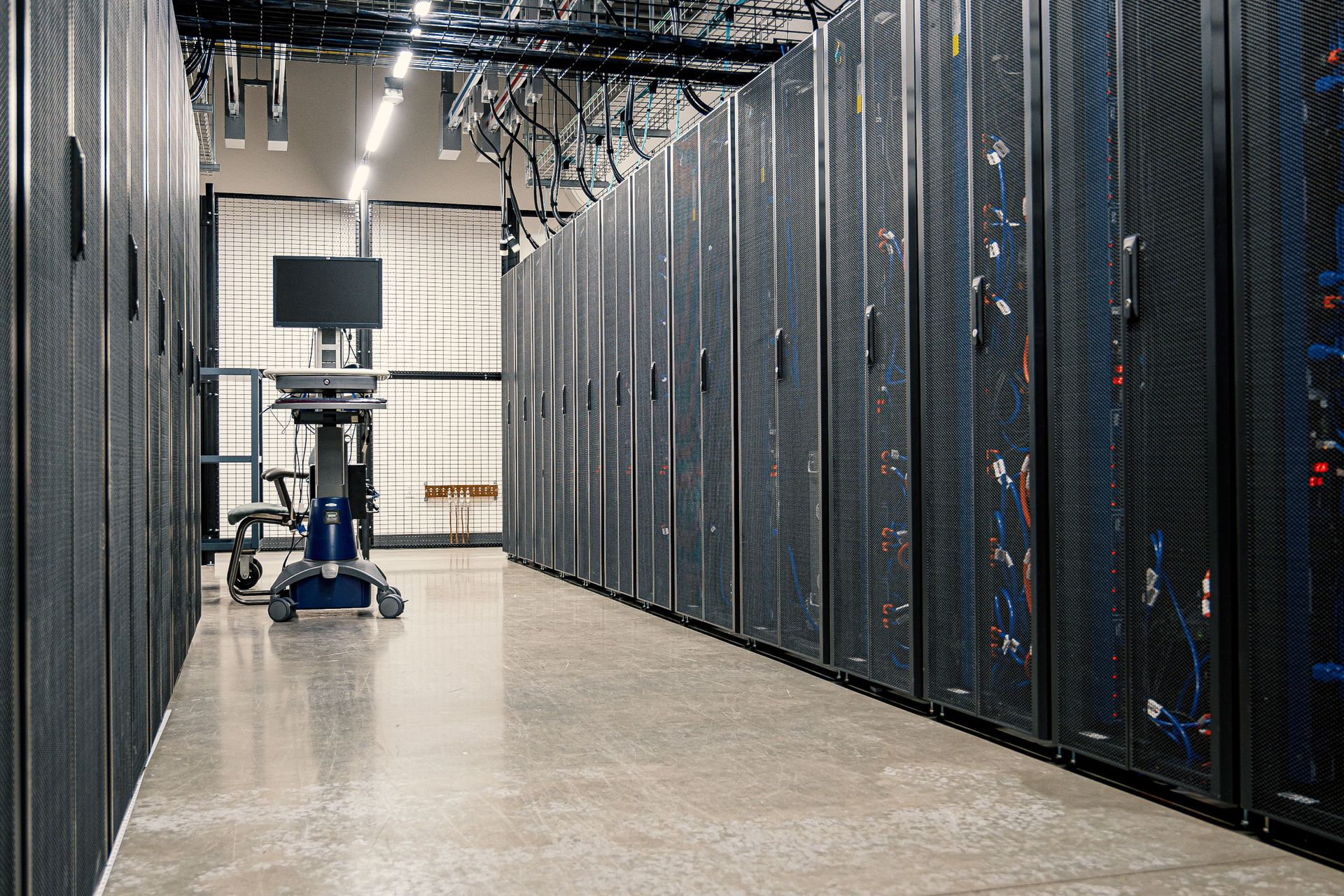
The surge in AI technology is pushing the physical constraints of the power grid and thermal management to their limits. As data centers expand at breakneck speeds, they encounter a myriad of challenges, from GPU interconnects struggling to keep up with data transfer speeds, to cooling systems faltering under the weight of immense power draws. This exploration delves into the core thermal and electrical barriers stifling AI's growth, and the innovative solutions being pioneered to overcome them.
The thermal wall, a significant obstacle in AI data center development, surfaces from the heat produced by high-performance GPU clusters. These clusters, consuming significant power, can generate temperatures ranging from 65 to 100 degrees Celsius. Prolonged exposure to temperatures beyond 90 to 100 degrees can trigger GPU throttling to avoid irreversible damage.
Standard cooling systems, designed for lower densities, struggle to keep up with the increased power demands, with cooling efficiency decreasing as power consumption surges above 30 to 40 kW per rack. High-density rack-level cooling becomes impractical, necessitating more advanced solutions.
Liquid cooling presents an alternative, utilizing fluid mechanics to directly cool chips via microchannels. However, maintaining sufficient fluid flow through these channels requires vast amounts of pumping power, posing a new constraint. Some operators are turning to direct-to-chip cold plates, which reduce pumping power consumption by applying cooling directly to the processor.
Phase-change technologies also play a role in cooling efficiency, manipulating latent heat for rapid heat absorption from high-density GPU racks. Companies like Microsoft have adopted closed-loop liquid cooling systems, where water is circulated to servers to absorb heat and later recirculated, demonstrating a move towards more efficient thermal management.
On the electrical front, data center owners are grappling with the limitations of copper interconnects. As GPU workloads swell, these interconnects reach their capacity, with signal strength diminishing over long distances and electromagnetic interference becoming a concern. Power loss across copper plates further exacerbates the issue, generating additional heat that necessitates more cooling energy.
The solution? Optical interconnects. By converting data into light pulses transmitted via fiber optic cables, these interconnects minimize loss over long distances, despite their higher cost. While optical interconnects are currently more expensive, their superior performance and reduced power consumption make them a necessary investment as the technology matures and costs decrease.
Meanwhile, the overarching challenge of grid connection looms large for AI data centers. With 30 GW of new capacity added worldwide from 2021 to 2025, the existing power grid infrastructure is stretched thin, unable to meet the surging demand. This bottleneck not only affects the power supply to GPU clusters but also introduces engineering challenges for grid operators.
High-voltage transformers, essential for safe voltage delivery, are in short supply, exacerbating the issue. The need for more substantial grid expansions becomes evident, highlighting the interconnected nature of AI data centers' growth and the power grid's capacity to support it.
Written by urgent.news from TechRadar's reporting — not their text. Machine-written — may contain errors; check the original before relying on it.