Oil climbs as Mideast conflict, tanker attacks persist
Oil prices continued to rise on Monday as tensions in the Middle East escalated following intensified attacks by Iran-backed Houthis. Brent crude futures climbed 76 cents, or 0.73%, to $105.48 a barrel, while US West Texas Intermediate crude increased by 59 cents, or 0.64%, to $92.44 a barrel.
The Houthis declared responsibility for an attack on Riyadh's international airport on Saturday, which resulted in 13 deaths and over 300 injuries. Saudi authorities stated that additional casualties occurred in a fresh assault on the airport on Sunday. President Donald Trump suggested on Saturday that the United States might join the Saudi strikes against the Houthis, a response to the ongoing conflict that originated from the US and Israel's intervention in February.
Moreover, the US president announced unexpectedly on Sunday that Ukraine and Russia had reached an energy ceasefire following a diesel supply agreement with Russia, signed on Friday. Despite this, additional assaults on tankers traveling through the Strait of Hormuz have been reported this month, posing a threat to the recovery of Middle East crude exports in September.
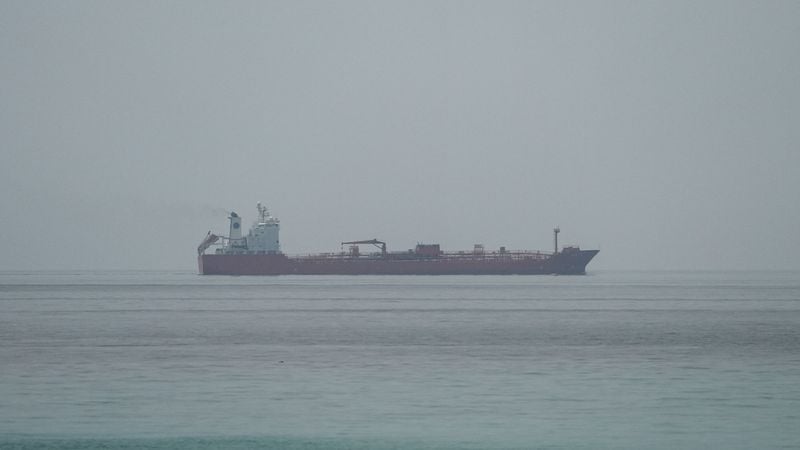
Two tankers, one near Sohar anchorage in Oman and the other in the Strait of Hormuz, were hit by drones and unknown projectiles, respectively, according to the United Kingdom Maritime Trade Operations.
Analysts at Goldman Sachs raised their forecast for Brent crude prices in December from $85 to $90 a barrel, while maintaining their base case that reduced supply from the Middle East will eventually lower crude oil prices. However, they cautioned that renewed escalation could still offer significant upside potential, with a risk premium of just over $20 a barrel.
For West Texas Intermediate (WTI), the analysts projected an average price of $81 in 2026 and $73 in 2027. Additionally, energy companies in the Gulf of Mexico, including Shell, Chevron, and BP, are working to reassign personnel and restore operations at their platforms following Hurricane Isaias' landfall early on Saturday.
Written by urgent.news from Investing.com's reporting — not their text. Machine-written — may contain errors; check the original before relying on it.