NST Leader: When delivery deadlines put lives at risk
ANOTHER month, another commercial vehicle driver high on drugs gets caught up in a horrendous traffic accident. The only difference this time: no deaths, only serious injuries, after a lorry driver ploughed into 11 vehicles in Shah Alam.
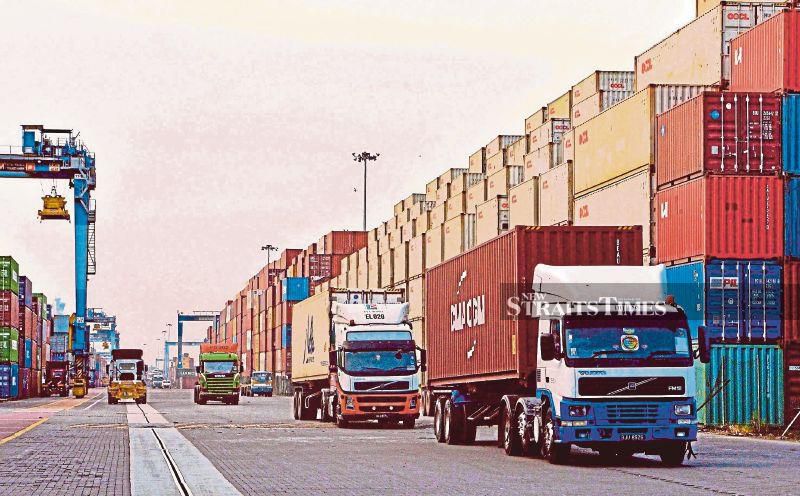
Another month, another commercial vehicle accident involving a drug-impaired driver, this time in Shah Alam, left 11 vehicles involved in a serious collision resulting in injuries but no fatalities. In June, a similar incident on the Karak Expressway claimed four lives. The lorry driver in both cases was found to be under the influence of amphetamine and methamphetamine, which may seem to enhance alertness and energy but have detrimental long-term effects on the body.
Drivers often resort to these stimulants to combat fatigue and meet tight delivery deadlines. The exploitative structure that pays drivers per trip rather than through fixed salaries only exacerbates this issue, pushing drivers to overwork themselves and ultimately rely on drugs as a means of coping. Why are drug-impaired drivers only caught after severe accidents, and not through proactive enforcement?
The authorities have struggled to eradicate trip-based and incentive-driven payments due to various legal, economic, and operational obstacles. The way forward lies in implementing strict regulations, safety frameworks, and legislative measures. While offenders face penalties, commercial transport companies and their directors rarely face consequences, despite being liable under Land Public Transport Agency regulations.
Commercial rules require lorry drivers to take a 30-minute break after four hours of continuous driving, but this practice is often disregarded. Healthcare interventions via the Social Security Organisation and health check vouchers exist to monitor driver wellness and detect chemical dependencies, but these voluntary checks are rarely taken up due to concerns over tarnishing records.
The 2027 Budget aims to make direct financial compensation mandatory for motorists involved in accidents caused by drivers under the influence of alcohol or drugs. However, commercial drivers often lack the ability to cover major medical costs or damages, and if jailed, they would have no income to compensate victims. Insurance companies also refuse to cover such cases.
Another proposed solution is the mandatory installation of telematics and monitoring systems for commercial vehicles, aiming to prevent transport companies from forcing drivers into excessively long hours to earn commissions. For now, the Road Transport Department is focusing on increasing screenings for drug use at freight depots, logistics hubs, rest areas, toll plazas, and other locations, particularly for drivers on high-risk routes. The issue remains that road users cannot afford another tragedy before enforcement is strengthened.
Written by urgent.news from New Straits Times's reporting — not their text. Machine-written — may contain errors; check the original before relying on it.