Long before Hollywood made this camera into a spy icon, this sub-minature photographic gadget was just a crazy idea that had nothing to do with espionage
How the world-famous Minox spy camera survived World War II and Soviet occupation
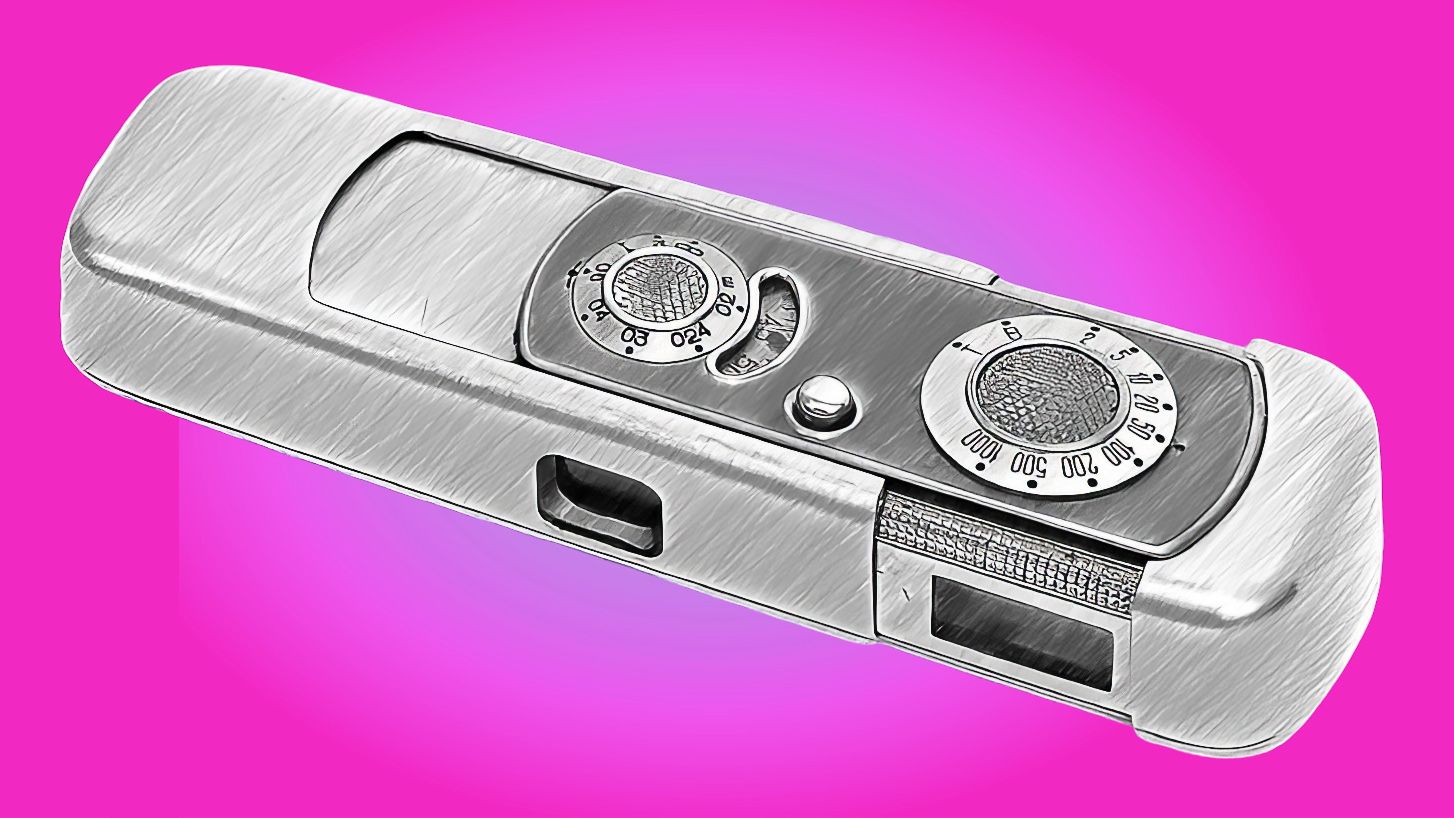
The Minox camera, now a symbol of espionage, began as a bold, unconventional concept in the early 1930s. Inventor Walter Zapp sought to create a compact camera that could fit in a waistcoat pocket, produce high-quality enlargements, and require minimal adjustments. Zapp enlisted the help of precision machinist Richard Jürgens, whose workshop in Riga became the birthplace of the Minox prototypes.
The first successful models were completed by 1935–1936, featuring a stainless-steel body that could conceal within a clenched fist. The innovative design included a mechanism that advanced the film and cocked the shutter simultaneously. Despite initial skepticism from manufacturers, Zapp gained the interest of Latvia's state-owned VEF electronics company, whose precision engineering facilities proved crucial to the project's success.
VEF's management approved production in 1938, despite the immense challenge of manufacturing the camera's 140 precision parts with close tolerances—a feat made even more complex during the mid-1930s without modern CNC machines. Production of the "Riga Minox" cameras resumed under German occupation in 1940 and continued until the Red Army's return in 1944.
Walter Zapp then fled to West Germany and restarted Minox production in Wetzlar in 1948, employing a level of vertical integration uncommon for a small manufacturer. The Minox B, with its built-in selenium meter, became the most iconic model and is often seen as the classic Minox. From 1928 to 2003, over one million Minox miniature cameras were produced, with many used by intelligence agencies worldwide, cementing the camera's enduring association with espionage.
Written by urgent.news from Digital Camera World's reporting — not their text. Machine-written — may contain errors; check the original before relying on it.