LEARNING CURVEBALL: Student debt policy puts Rhodes, students at odds
After protests over upfront fees at Rhodes University, a Unisa business school expert says the fix is not always more money, but a better-run funding system that pays universities directly.
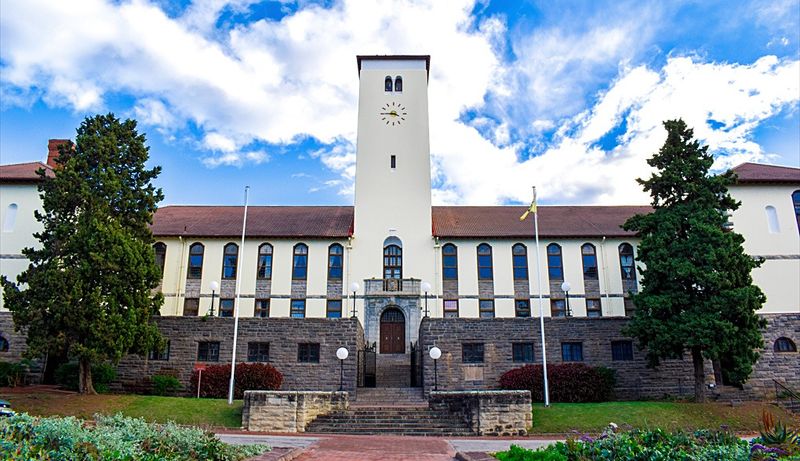
The controversy surrounding student debt policy at Rhodes University has led to student protests and arrests. Unisa business school expert Dr Simphiwe Madikizela warns that the issue is not a lack of funds, but rather poor planning and inefficient systems responsible for disbursing student funding. Rhodes University plans to implement a new protocol where students must clear 50% of their outstanding debt and tuition fees by the end of 2026 to register for the 2027 academic year.
The university claims this measure is necessary to address the growing levels of student debt and ensure the university's long-term financial stability. However, students argue that this proposal may place undue financial strain on those already burdened by debt. Rhodes University SRC has engaged with management, and while they welcomed an inverted sliding scale for students with larger debts, legal restrictions prevented the use of a means test.
The university has agreed to reconsider the proposed R3,000 monthly payment and may explore a higher threshold of R75,000 for residence debt. From 2027, June results will be released regardless of a student's outstanding debt, and the SRC wants a 15% discount for settling debt.
Written by urgent.news from Daily Maverick's reporting — not their text. Machine-written — may contain errors; check the original before relying on it.