Kurt Campbell on US deterrence, the Quad, Aukus and Taiwan after Xi-Trump summit
Kurt Campbell is a veteran US diplomat and strategist who has played a leading role in shaping Washington’s approach to China and the Indo-Pacific for more than a decade. He served as the White House coordinator for Indo-Pacific affairs from 2021 to 2024 and as US deputy secretary of state from 2024 to 2025. Previously, he served as assistant secretary of state for East Asian and Pacific affairs…
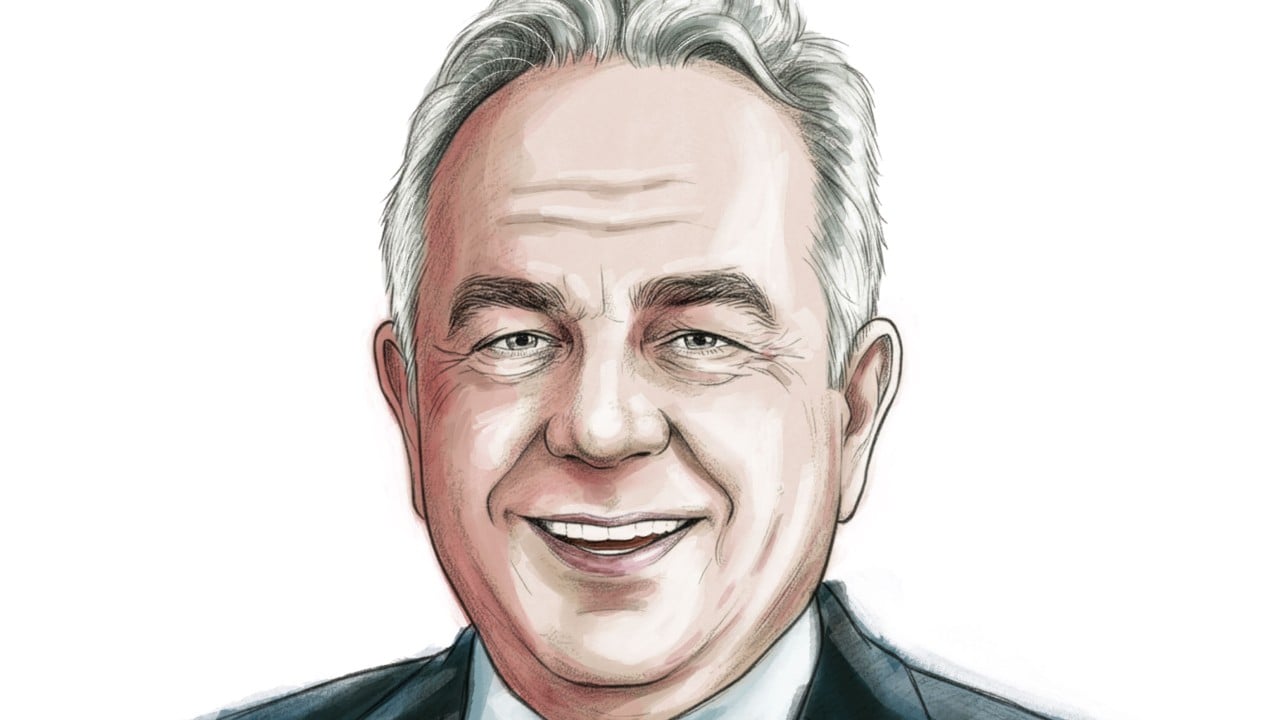
Kurt Campbell, a seasoned US diplomat and strategist, has been instrumental in shaping the nation's approach to China and the Indo-Pacific region for over a decade. He has held key positions, including White House coordinator for Indo-Pacific affairs from 2021 to 2024, US deputy secretary of state from 2024 to 2025, and assistant secretary of state for East Asian and Pacific affairs from 2009 to 2013.
Campbell is often referred to as the Biden administration's "Asia tsar" and has contributed to developing the Quad and the "small yard, high fence" approach to technology competition. As a former US Navy officer, Harvard professor, and co-founder of the Centre for a New American Security, he now serves as the chairman and co-founder of The Asia Group, a strategic advisory firm based in Washington.
Campbell has argued that America's enduring advantage over China lies in its "allied scale" rather than unilateral dominance. However, China has recently redefined its strategy, positioning itself as a champion of sovereignty, non-interference, and a more multipolar order. This shift may appear genuine or simply a new expression of competition using different language.
The US policy objective towards China is to stabilize the complex relationship between the two nations, as both leaders believe it benefits them to cooperate strategically, despite their differences.
While the US benefits from working constructively with its allies and partners, Campbell criticizes President Trump's focus on strengthening the US-China relationship at the expense of other allies. He advocates for maintaining a strong posture with allies and partners, including Canada, whose recent moves to join the EU raise concerns.
Regarding the US-China relationship in the context of AI, Campbell acknowledges the complexities involved, particularly as President Trump seeks dialogue with China while insisting on dominance. He emphasizes the importance of understanding the risks associated with frontier work, especially in AI, where both countries must recognize the potential hazards and promise.
Campbell suggests that both nations should focus on establishing a true dialogue around potential areas of collaboration, such as safety reporting and mutual engagement. The rapid development of AI technology, with its powerful economic and commercial players, presents a unique challenge, as it differs from historical experiences involving only government-to-government interactions.
Written by urgent.news from Reuters Business via SCMP's reporting — not their text. Machine-written — may contain errors; check the original before relying on it.
This story
This is one outlet's version. Read the fullest account.