Knowing the risk is not the same as being prepared
Flood warnings may be easy to understand, but real preparedness begins with knowing what to do before conditions turn dangerous.
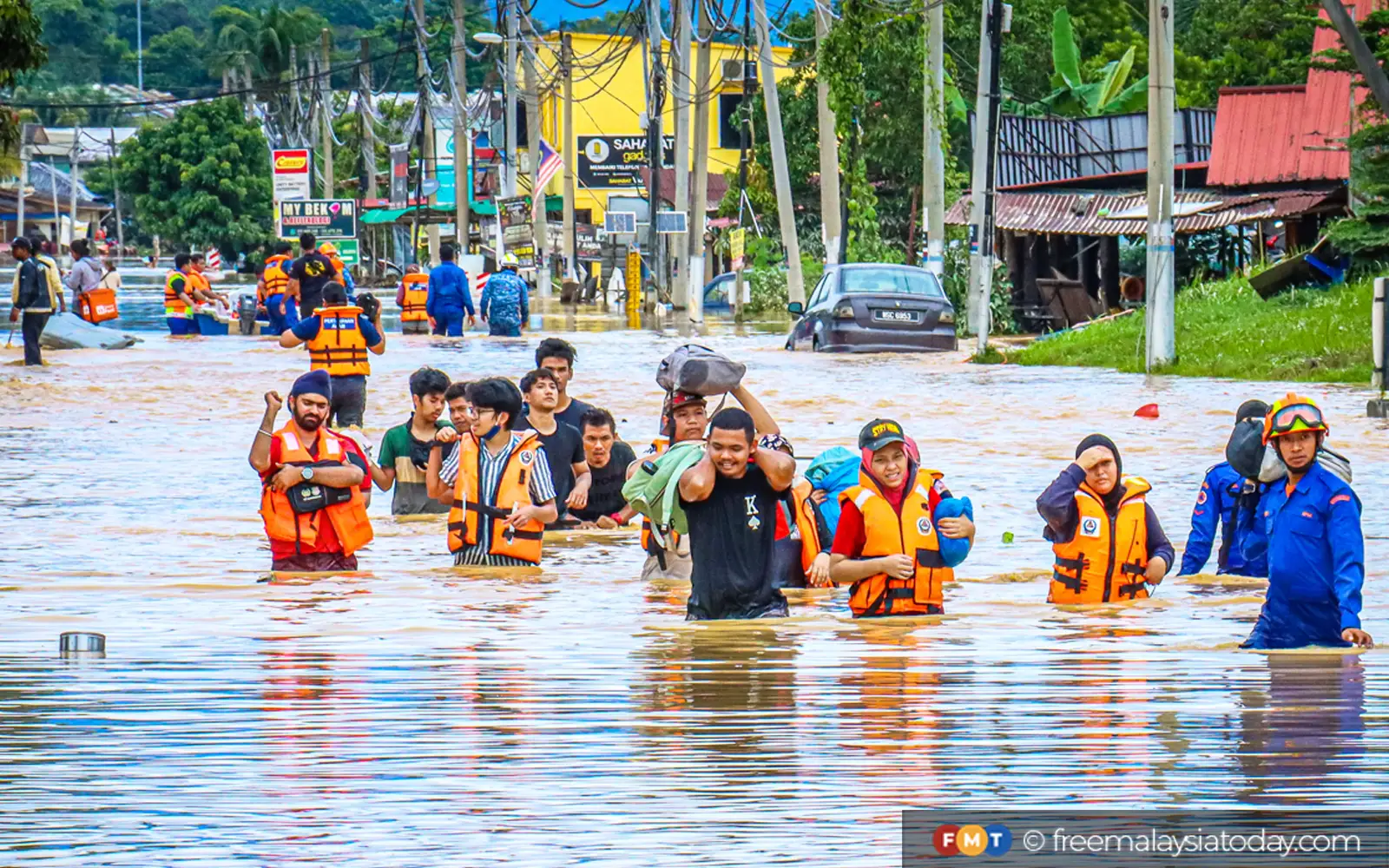
Heavy-rain warnings are familiar to most people, yet being prepared for a flood is a different matter. We know the risks, but often continue as if nothing could change. This is a common issue in safety management. People exposed to hazards without serious consequences may start to view the risk as normal, even if the hazard remains dangerous.
Families living in flood-prone areas have experienced water reaching their front gates but never entering their homes. This repeated exposure can make the next flood seem less threatening. Malaysia now has better access to information, with quick weather warnings, real-time river levels, and road closures. The question is, how do we use this information?
Do we take precautions like moving vehicles to higher ground, securing important items, checking on vulnerable individuals, and knowing evacuation routes? Or do we simply read the warning and carry on as usual?
In 2025, floods caused an estimated RM636.9 million in losses nationwide. Public assets and infrastructure lost RM380.2 million, while homes suffered RM183.8 million in damage. But preparedness should start before we even consider losses. Imagine needing to leave your house in just 10 minutes. What would you take? Who would need help?
Where would you go? Would everyone be prepared? These questions are especially important for households with elderly members, young children, persons with disabilities, or those requiring medication.
Communities also play a crucial role. In the early moments of an emergency, rescue teams cannot reach every doorstep. Sometimes, neighbors are the first to help. A prepared community knows which homes may need assistance, which roads may become impassable first, and how to share information rapidly. From an occupational safety perspective, good safety management does not wait for an injury to take action.
Hazards are identified, risks assessed, and controls put in place beforehand. Should disaster preparedness be any different? Preparedness does not mean living in constant fear, nor does every warning demand panic. It means acknowledging risk and uncertainty, and taking reasonable steps before situations become critical. So when the next warning appears, the question should not be "Will it really get that bad?" Instead, it should be "If it does, are we ready to act?"
Written by urgent.news from Free Malaysia Today's reporting — not their text. Machine-written — may contain errors; check the original before relying on it.
This story
This is one outlet's version. Read the fullest account.
- Knowing the risk is not the same as being prepared freemalaysiatoday.com