Is Matcha Really About The Taste Or Just The Aesthetic?
You may not even love the taste of matcha, but there is a good chance you have still ordered it at least once. The bright green drink has become a familiar sight on Instagram feeds, café menus and morning routines. At ₹400 or ₹450 a cup, it is also much more expensive than a regular chai or coffee. So why are people willing to pay for a drink they may not even enjoy that much? Matcha has become…
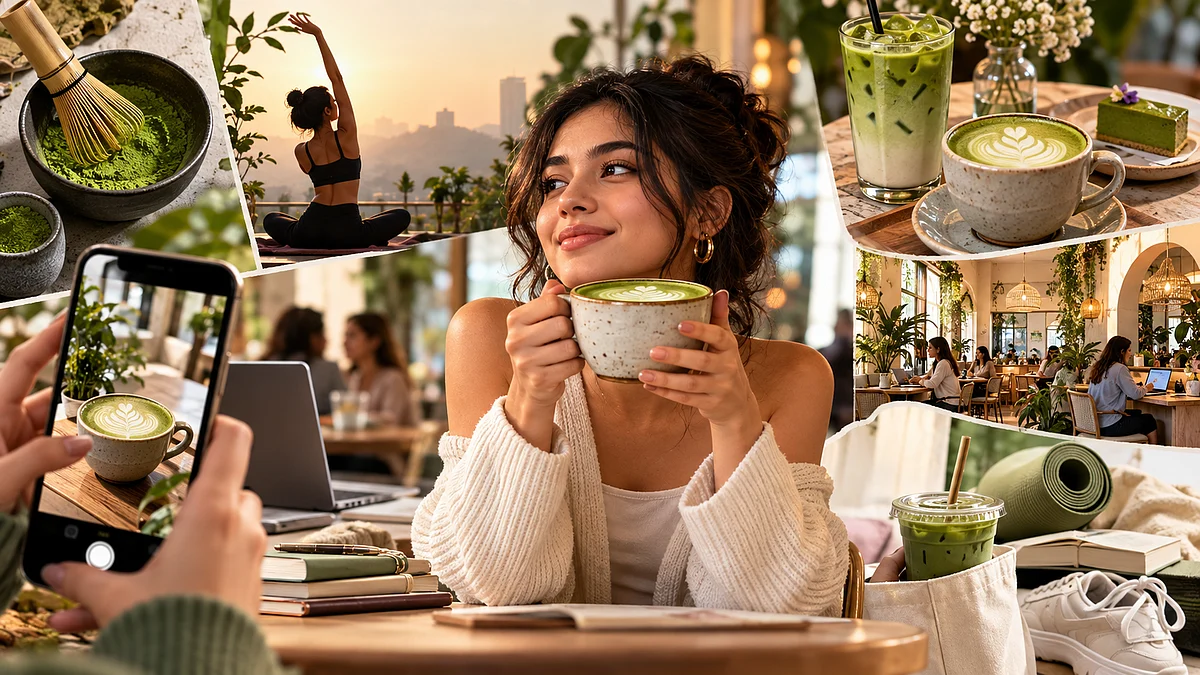
Matcha's appeal extends far beyond its taste, as evidenced by its widespread popularity and premium pricing. The bright green drink has become a staple on Instagram feeds, café menus, and people's morning routines, often costing upwards of ₹400 or ₹450 per cup. Despite its steep price tag, many individuals continue to pay for matcha, even if they may not enjoy the taste as much as they'd like.
This phenomenon raises the question: is matcha truly about the taste, or is it primarily driven by the aesthetic appeal and lifestyle it represents?
There are several factors contributing to matcha's allure that go beyond its flavor profile. For many, sipping a matcha latte can feel like a self-care ritual, transforming an ordinary morning routine into a moment of mindfulness and calm. The experience of sitting in a charming café, enjoying a beautifully presented cup of matcha while listening to soothing music, can make the entire morning feel more intentional and purposeful.
Psychologist Ekta Dharia explains that "main character" moments, such as these, can fulfill our need for identity, belonging, control, and self-expression. Social media further reinforces this by linking products to aspirational lifestyles and ideal self-images, encouraging consumers to purchase not just what they need, but what represents the person they aspire to become.
The vibrant green hue of matcha also makes it a visually striking choice, especially when paired with neutral café settings, stylish ceramic cups, and thoughtfully arranged tables. The color stands out against the backdrop, creating an Instagram-worthy moment that resonates with the growing trend of visual storytelling on the platform.
Janvi Goenka, a Gen Z student at SP Jain School of Global Management, shares that despite not being a fan of matcha's taste, the aesthetic appeal and social media trend make it an enticing option. Similarly, Sakshi Asrani, a Senior Account Manager and Brand Strategist at Ting, notes that matcha has transcended its role as a mere beverage, becoming a lifestyle marker.
People are willing to pay for the experience surrounding it, including the café, packaging, ritual, visual appeal, and the aspirational image it projects.
Moreover, the rise of café culture has played a significant role in making the matcha experience worth the investment. Trendy cafés add to the allure by offering an enjoyable environment where individuals can meet friends, work on their laptops, take photos, or simply enjoy some alone time. The combination of the drink, the ambiance, and the overall experience can make people return to these cafés even when they are not obsessed with the food or drinks themselves.
From a food creator's perspective, matcha's appeal lies not only in its taste but also in the experience it offers. Pretty cafés, aesthetic interiors, cute cups, and its recognizable green color make it perfect for social media, and beyond taste, it can also symbolize a lifestyle linked to wellness, café culture, self-care, and trying new things.
Ultimately, the decision to pay for matcha may be driven by more than just the taste. Many individuals buy into the person they want to become, imagining a version of themselves who wakes up early, eats well, works out, and maintains a calm morning routine. While a drink cannot change one's lifestyle, the purchase can give a temporary sense of becoming that ideal self.
For some, matcha has become an essential part of their morning ritual, social identity, or even their self-perception. This complex interplay of taste, aesthetic, and lifestyle factors explains why people are willing to pay a little more for matcha, even when their first sip falls short of their expectations.
Written by urgent.news from Free Press Journal's reporting — not their text. Machine-written — may contain errors; check the original before relying on it.