Inside F1: How ‘reactive’ DHL acted quickly to fit Malaysia race just before Singapore’s
The official F1 logistics partner says the lessons from the Covid-19 pandemic helped it be more adaptive to disruptions
DHL, Formula One's official logistics partner, showcased its rapid response capabilities during the recent Malaysia race, held just before Singapore's Grand Prix. The logistics giant faced significant challenges when the Bahrain event was abruptly canceled in late July due to geopolitical tensions, leaving the entire pre-season testing schedule up in the air.
To adapt to this sudden change, DHL transitioned from a proactive planning model to a more reactive approach, as shared by Paul Fowler, DHL's vice-president of global motorsports.
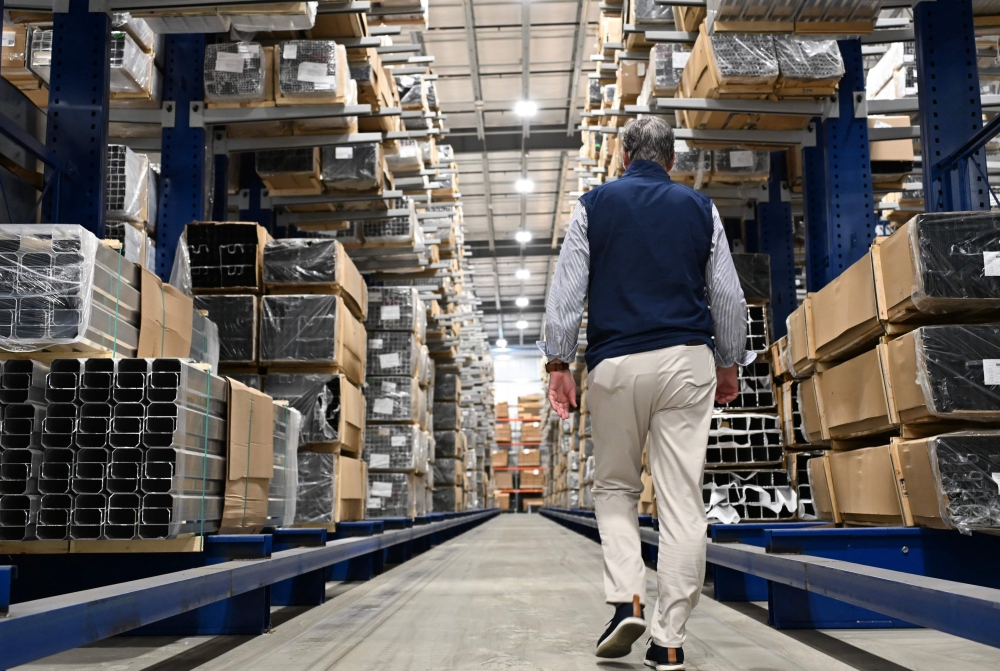
The first hurdle was extracting and moving the multi-million dollar equipment trapped in Bahrain. DHL had to dismantle the event setup, re-box hundreds of tons of gear, and transport it through congested ports in Saudi Arabia and the UAE before reaching Port Klang in Malaysia. Next, they tackled the Causeway crossing, opting for a hybrid model that combined short air charters for time-sensitive equipment with staggered ground transport for the rest. This strategy minimized empty trucks' return journeys, reducing carbon emissions.
Despite initial skepticism, DHL proved its mettle by successfully relocating the entire F1 paddock between Kuala Lumpur and Singapore. Teams like Red Bull Racing, which operates with limited equipment reserves, had to repack and deliver their gear within a tight timeline. DHL's agile approach allowed them to meet these demands, demonstrating their ability to handle high-pressure logistics pivots while prioritizing safety.
Written by urgent.news from The Business Times - Companies & Markets's reporting — not their text. Machine-written — may contain errors; check the original before relying on it.