‘Human-authored’ book labels gain ground amid AI scandals
AgenciesInitiatives to label books as written by humans, and not artificial intelligence, are gaining ground following a string of scandals where authors were suspected of using th...
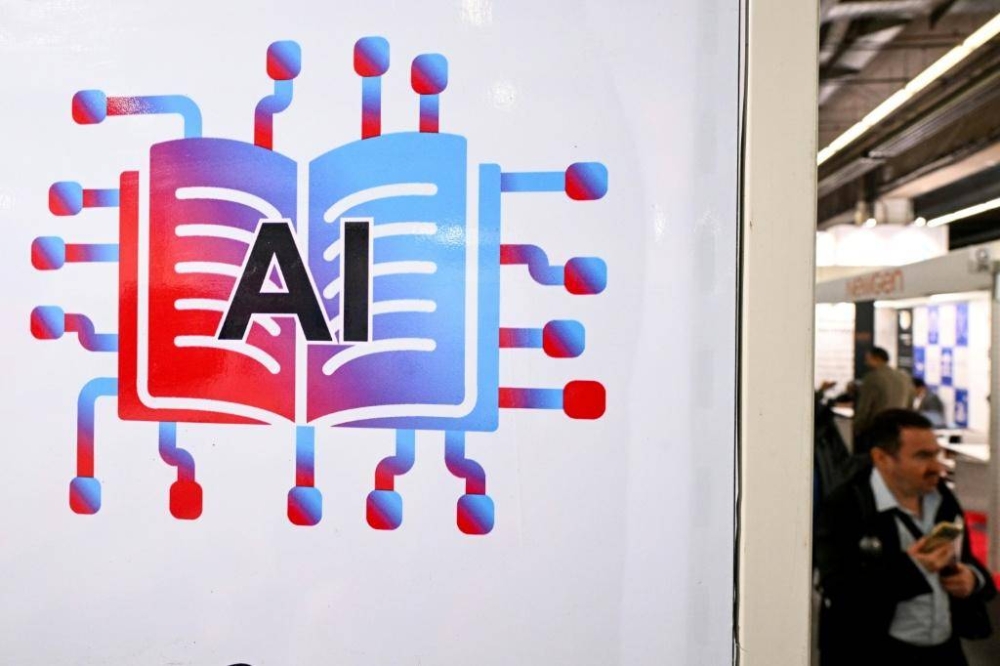
A growing trend of labeling books as "human-authored" is gaining momentum following a series of scandals involving authors who allegedly used artificial intelligence without disclosing it. Numerous labeling systems, including those from Britain, France, and Germany, were showcased at the industry's largest fair in Frankfurt this week, as experts grappled with the challenges AI presents.
The most prominent case involves Haitian-Canadian author Thelyson Orelien, whose alleged use of AI to write his debut novel, "It Was Either That or Die", has shaken the French-language literary world. Orelien has denied the claims. Charlotte Allibert, co-founder of Librinova, a self-publishing company and literary agency, described the situation as a "real earthquake" for the French book trade.
Under their scheme, authors can have their works assessed and labeled as "human creations" by paying a small fee. About 200 titles have received this designation so far. Another initiative, Books By People, a British startup, recently secured a registration for its certification mark for human-authored works with the country's intellectual property office.
To qualify, titles must adhere to the group's "organic literature" standards, which permit minimal AI usage for tasks like spelling or grammar checks. Esme Dennys, co-founder of Books By People, emphasized the need for a comprehensive, transparent, and reliable framework to address the growing anxiety surrounding undisclosed AI use.
In the United States, the Authors Guild has introduced a "human authored" certification mark, which is a self-certification system requiring authors to sign a license agreement. As of now, approximately 6,500 titles have received this stamp. The controversy surrounding Orelien intensified last month when an anonymous X account alleged that he used AI to write his debut novel, based on AI-detection software analysis of excerpts.
Despite the mounting scandals, some industry professionals remain skeptical about the effectiveness of current labeling schemes, which generally allow limited AI usage. Concerns include potential loopholes and the ease of circumventing checks. Sebastian Guggolz, head of the German Publishers and Booksellers Association, stated that the book trade is grappling with how to approach this issue, suggesting that labeling schemes should delve deeper into the extent of AI usage in the creation of each title.
Written by urgent.news from Qatar Tribune Business's reporting — not their text. Machine-written — may contain errors; check the original before relying on it.