How the Mahatma’s 1922 court statement echoes amidst Delhi detentions of protesters
The youth protesters had called for passive resistance amidst the massive build-up of security forces in the national capital
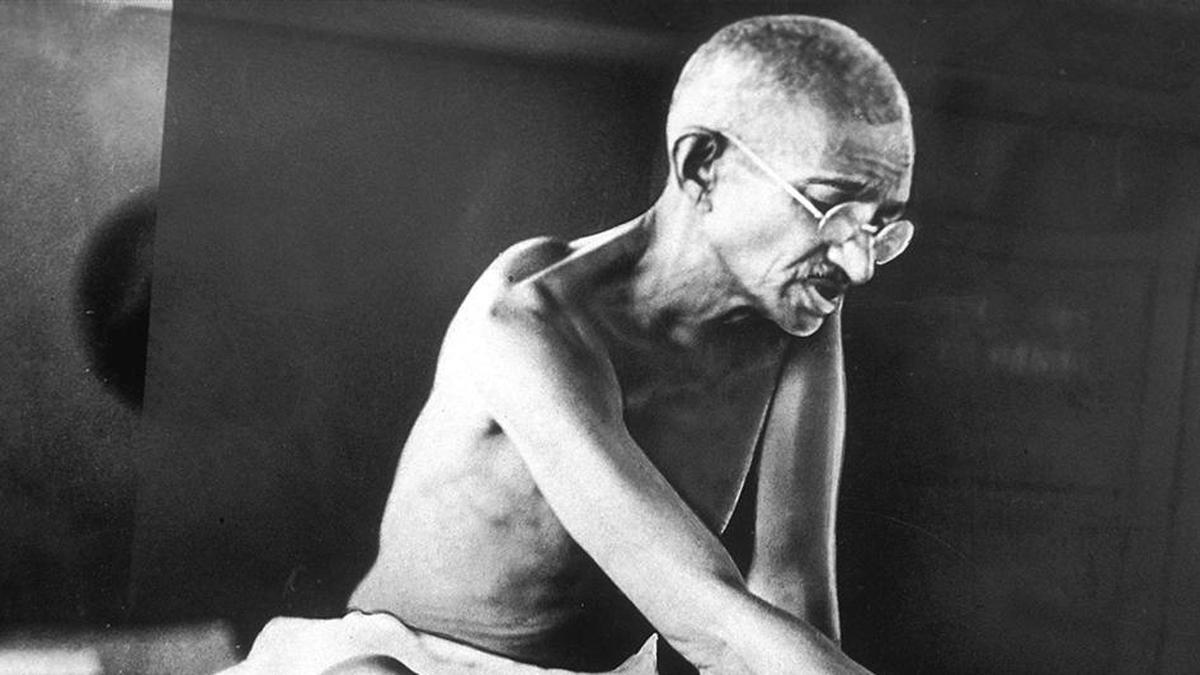
Protesters daring a detention while peacefully seeking the resignation of Chief Election Commissioner Gyanesh Kumar on October 10 draws parallels to Mahatma Gandhi's 1922 court statement on dissent. The youth demonstrators called for passive resistance amidst heightened security forces in Delhi. On March 18, 1922, Gandhi accepted a statement from Ahmedabad District and Sessions judge C.N.
Broomfield, asserting that "affection cannot be manufactured or regulated by law." "If one has no affection for a person or system, one should be free to give the fullest expression of his disaffection, so long as he does not contemplate, promote or incite to violence," he emphasized. He opposed "violent non-co-operation," which he deemed to "only multiply evil," stating that non-violence meant "voluntary submission to the penalty for non-co-operation."
Gandhi was tried for publishing three articles in 'Young India' and sentenced to six months' simple imprisonment. Article 19 of India's Constitution, post-independence, safeguards the right to free speech, expression, peaceful assembly and association. The court ruled that public streets are ideal for expressing opinions, yet the police cannot use excessive power to ban gatherings.
The 1972 Supreme Court judgment in Himat Lal K. Shah v. Commissioner of Police, Ahmedabad, clarified that the right to assemble cannot be abridged except with reasonable restrictions. In 2016, the apex court ensured that peaceful and public dissent remains a fundamental right, affirming that organized, non-violent protests are a crucial tool in the fight for independence.
The doctrine of sovereign immunity does not apply to fundamental rights violations in public law, as the 2016 Supreme Court judgment affirmed.
Rewritten by urgent.news; may contain errors — check the original.
Sources: indianexpress.com · thehindu.com