How Taiwan’s military manpower shortage is undermining its ability to fight
Taiwan’s military is grappling with a worsening manpower shortage, with its volunteer staffing rate remaining below the 80 per cent target for a third consecutive year and concerns mounting over the impact on combat readiness, according to the island’s legislature. The shortages extend deep into frontline formations – including infantry, artillery, missile and air defence units – raising…
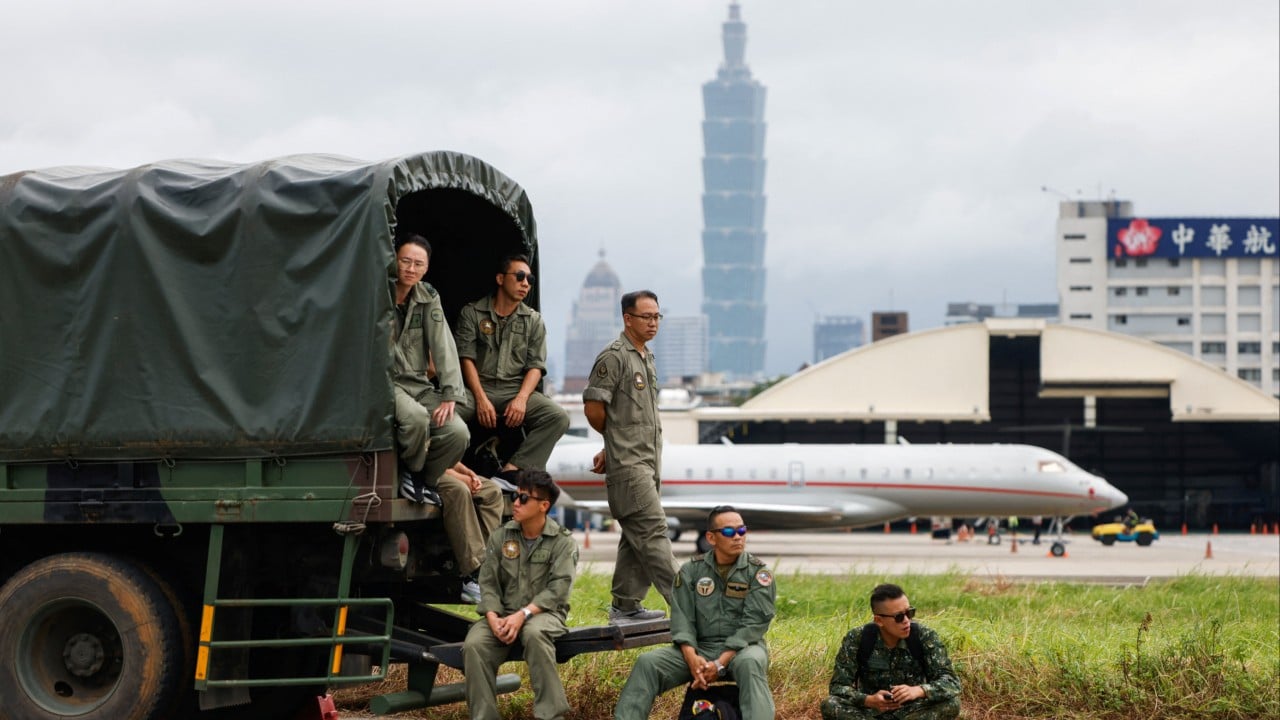
Taiwan's military is facing a severe manpower shortage, with volunteer staffing rates falling below the critical 80 percent threshold for a third consecutive year, according to the island's legislature. This shortage affects all frontline formations, including infantry, artillery, missile, and air defense units, raising concerns over Taiwan's combat readiness.
The Legislative Yuan Budget Centre's assessment of the government's proposed 2027 budget warns that persistent personnel shortages could increase workloads and training demands on serving troops, affecting overall readiness. Defence ministry figures show that the volunteer staffing rate peaked at 88.52 percent in 2020, fell to 75.93 percent in 2024 and 77.31 percent by the end of 2024.
More alarmingly, numerous Category I formations, considered elite troops expected to fight on the front lines, remain below the 80 percent staffing benchmark, including army infantry, special operations, artillery, armor, anti-armor, and Marine Corps units. The budget centre warned that the shortages could hinder the training and retention of specialized personnel needed to operate new weapons as Taiwan accelerates military procurement.
Analysts say that sophisticated weapons require highly skilled personnel who often need lengthy training. If volunteer staffing remains below 80 percent, it will become increasingly difficult to train and retain enough operators, potentially leaving the island with weapons but not enough people to operate them. The shortage is particularly burdensome for junior non-commissioned officers who handle personnel, discipline, training, and administration tasks.
The problem could worsen as Taiwan takes delivery of new US weapons, including 66 modernized F-16 fighter jets, while expanding missile and unmanned capabilities. Taiwan's ruling party legislator Chen Kuan-ting suggested that the irreversible decline in Taiwan's young population could make it unrealistic to maintain traditional large formations fully staffed, calling for greater use of drones, automated surveillance, and artificial intelligence systems to reduce manpower requirements.
Written by urgent.news from Reuters Business via SCMP's reporting — not their text. Machine-written — may contain errors; check the original before relying on it.
This story
This is one outlet's version. Read the fullest account.