How much power will the U.S. need through 2030?
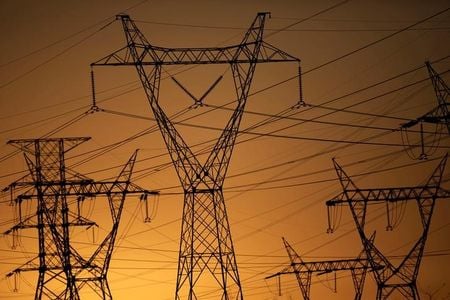
U.S. electricity demand is expected to increase by 4% annually through 2030, according to a report from Bernstein Societe Generale Group. This surge is primarily attributed to the rapid growth of artificial intelligence data centers. Analysts Sunaina Ocalan and Raphael Lee have raised the firm's long-term power growth forecast from 3% to 4%.
Data centers are anticipated to make up more than half of the additional power requirement between 2025 and 2030. The U.S. share of global data centers is projected to rise from 45% to around 50% over the same period. Bernstein expects the U.S. data center IT load capacity to expand from 34 gigawatts in 2025 to 149 gigawatts by 2030, adding approximately 115 gigawatts of new capacity.
This increase in data center capacity is expected to generate around 500 terawatt-hours of new electricity consumption. Additionally, industrial reshoring and residential electrification are projected to add about 100 terawatt-hours and 66 terawatt-hours of industrial and residential load, respectively, by 2030. To address the growing demand while dealing with planned coal plant retirements, natural gas and solar PV are identified as the main sources for power supply.
Natural gas generation is expected to grow at a 2.9% compound annual growth rate, while solar generation is projected to have a 21% compound annual growth rate. The report also considers nuclear plant restarts, including Constellation Energy's Three Mile Island unit, Holtec's Palisades facility, and NextEra Energy's Duane Arnold plant.
As power interconnection queues exceed three-year timelines, there is a growing demand for behind-the-meter and dispatchable power solutions. Companies like GE Vernova, Vistra Corp., Constellation Energy Corp., NextEra Energy Inc., and Fervo Energy Co. are expected to benefit from the surging demand for gas turbines, grid equipment, transmission upgrades, clean power development, and firm, dispatchable geothermal generation.
Written by urgent.news from Investing.com's reporting — not their text. Machine-written — may contain errors; check the original before relying on it.