Halloween watch: The Woman in Black — Daniel Radcliffe’s ghost story is thick with fog, grief and shrieks
jA dark shadow glides through the audience. A child screams. Before Daniel Radcliffe walked the causeway to Eel Marsh House, there was the play. Before the play, there was the book: Susan Hill’s 1983 novella, a deliberately old-fashioned ghost story in the tradition of M.R. James. The premise is cutting: Jennet Humfrye, unmarried and pregnant in a world that won’t forgive her, is forced to give…
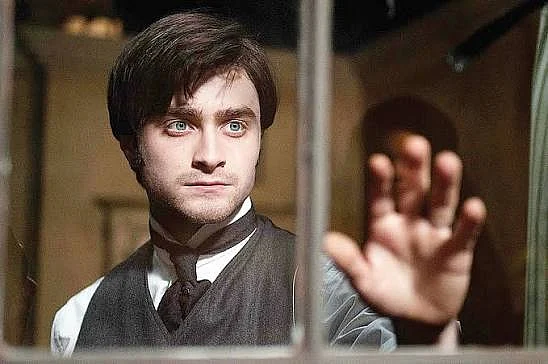
Halloween arrives with the chilling tale of "The Woman in Black," a ghost story starring Daniel Radcliffe. This adaptation takes inspiration from Susan Hill's 1983 novella and Stephen Mallatratt's stage adaptation, which ran for over three decades in London's theaters.
The story centers around Jennet Humfrye, an unmarried and pregnant woman in a society that refuses to accept her. She is forced to give up her son to her married sister, only to watch him grow up under someone else's care and ultimately die. Consumed by grief, she haunts the house and the village of Crythin Gifford, bringing death to children whenever she is seen.
The film adaptation, released in 2012, brings Radcliffe's character, Arthur Kipps, a widowed London solicitor, to the eerie setting. Kipps is tasked with settling the estate of Alice Drablow, and the isolated village seems unwelcoming. However, it is Ciarán Hinds' character, Sam Daily, a wealthy local and grieving father, who offers Kipps friendship.
The film deviates from the original story by giving the Woman in Black a more vindictive motive, driving children to take their own lives. This change introduces a ticking clock, as Kipps' young son, Joseph, is due to join her on the train. Despite this alteration, the film maintains a strong emotional core, as Kipps grapples with his own loss and becomes a mirror for Jennet's grief.
Set in Eel Marsh House, an isolated tidal island connected by a causeway that disappears twice daily, the film relies heavily on its atmospheric setting to create fear. The fog, rotting house, and deserted village all contribute to a sense of isolation and entrapment.
The film's most effective horror lies in its use of suggestion rather than direct revelation. The Woman appears fleetingly in the background or in reflections, leaving the audience to wonder if they are witnessing her or merely perceiving something in their mind. This technique creates a constant feeling of unease, as the audience becomes both witness and participant in the terrifying experience.
However, the film occasionally interrupts its atmosphere with sudden noises and startling visual effects, such as birds, crows, or water gushing from taps, puncturing the tension. While these moments may startle the viewer, they fail to instill lasting fear, as they undermine the gradual buildup of dread.
The climax sees Kipps confronting the Woman in Black, attempting to lay her to rest by recovering her drowned son, Joseph. However, the twist of fate shifts the focus from a traditional ghost story to a tragic tale of survival. The film's ending provides a sense of closure, albeit a bittersweet one, as Kipps reunites with Joseph before ultimately accepting the inevitability of loss.
While the film sacrifices some of the novel's stark and unforgiving tone, it still captures the essence of a haunting tale that lingers long after the credits roll. "The Woman in Black" offers a chilling Halloween experience that taps into our deepest fears of loss, grief, and the unending cycle of suffering.
Written by urgent.news from Gulf News's reporting — not their text. Machine-written — may contain errors; check the original before relying on it.