Fitch revises Nigeria’s credit outlook
Fitch Ratings has revised Nigeria’s credit outlook to Positive from Stable, citing stronger foreign exchange reserves, easing of… The post Fitch revises Nigeria’s credit outlook appeared first on Latest Nigeria News | Top Stories from Ripples Nigeria .
Fitch Ratings has upgraded Nigeria's credit outlook to Positive from Stable, highlighting stronger foreign exchange reserves, lower inflation, and better economic policy as key drivers of this change. The Positive Outlook suggests that a higher credit rating may be achieved in the future if the country's economic situation continues to improve and the government maintains its reforms.
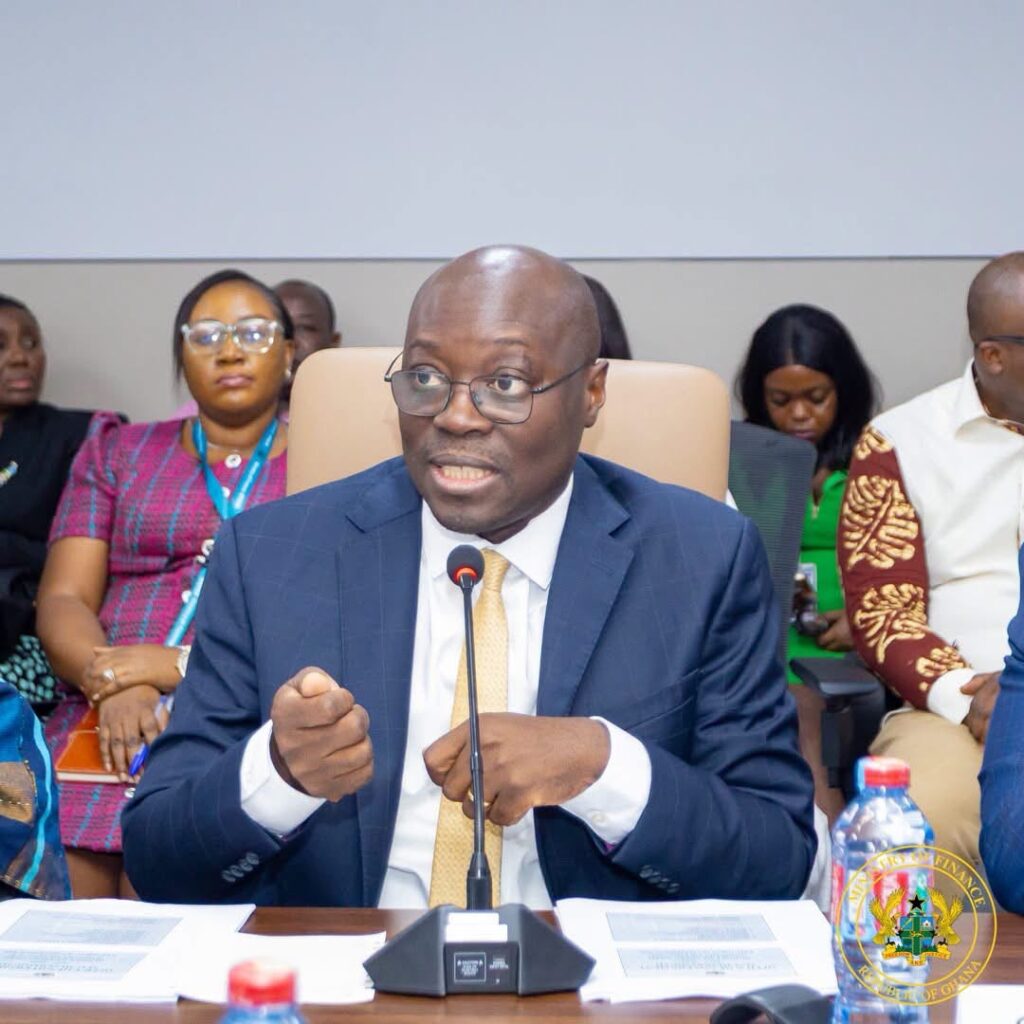
However, the agency has maintained Nigeria's credit rating at 'B', indicating that an upgrade has not yet been granted. This decision was announced on October 9, 2026, at a time when Nigeria's gross foreign exchange reserves had surged to $55 billion, up from $32 billion in mid-April 2024 - a 71.6% increase over the period. Finance Minister Taiwo Oyedele welcomed the Fitch Rating, viewing it as a sign of growing confidence in Nigeria's economic reforms.
Fitch attributed the more optimistic outlook to a more flexible naira exchange rate, decreasing inflation, and faster-than-anticipated accumulation of foreign reserves. Other factors supporting the growth in reserves included increased formalization of foreign exchange transactions, strong portfolio investment inflows, higher export earnings, and remittances.
The agency also noted that improvements in the quality of these reserves had enhanced Nigeria's ability to handle external shocks, projecting a current account surplus of 6.4% of gross domestic product for 2026. This surplus indicates that the country is earning more from its transactions than it is spending abroad. Fitch's assessment bolsters the government's assertion that its economic reforms are beginning to enhance Nigeria's external position, though sustaining these gains will rely on ongoing foreign exchange inflows, increased production, and sound economic management.
The agency forecasts that the economy will grow faster this year, with real gross domestic product (GDP) growth projected at 4.3% in 2026, compared to 4% in 2025. This growth is expected to persist above 4% in both 2027 and 2028, driven primarily by sectors outside the oil industry, such as agriculture, manufacturing, trade, telecommunications, and other non-oil activities.
Fitch also anticipates a decline in average inflation to 15.4% in 2026, down from its 2024 level of 30.5%. This projected reduction in inflation further supports the improved outlook. However, the agency noted that Nigeria's inflation remains higher than that of other comparable countries, placing households and businesses under pressure from higher living and operating costs.
In terms of the oil sector, Nigeria has met its Organization of Petroleum Exporting Countries (OPEC) production target of 1.5 million barrels per day since May 2026. Higher crude oil output is vital for the country, as oil exports constitute the primary source of foreign exchange earnings and government revenue. The expansion of domestic refining is also aiding in reducing imports of refined petroleum products and the foreign exchange needed to buy them.
With more petroleum products produced locally, Nigeria could preserve a larger portion of the foreign exchange previously spent on fuel imports, provided domestic refineries maintain production and satisfy market demand. Fitch's decision comes after other positive updates in Nigeria's international credit assessments this year. In May, S&P Global Ratings raised Nigeria's credit rating from 'B-' to 'B', and in August, Moody's Ratings revised the country's outlook to Positive.
Nigeria also returned to Frontier Market status under FTSE Russell's classification, effective September 21, 2026.
Rewritten by urgent.news; may contain errors — check the original.
Source: ripplesnigeria.com