Ele está fazendo em Itu o que a Disney fez em Orlando
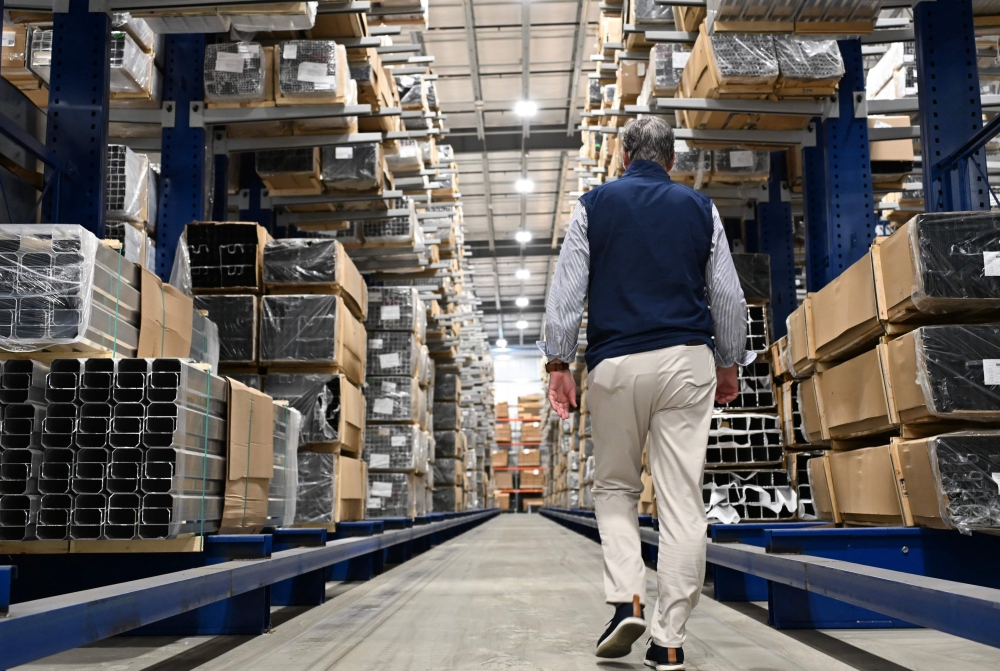
ITU, São Paulo — O chão aqui ainda é obra. Km 84 da Castello Branco, terra revolvida, e o barulho frenético de um canteiro que tem uma missão a cumprir. Alexandre Costa anda no meio disso tudo como quem já vê o dia em que dezenas de milhares de pessoas passarão pelas catracas.
Itu, São Paulo – The ground here remains unfinished. At kilometer 84 of Castello Branco, a site of upheaval, and the persistent noise of a construction site that has a mission to fulfill, Alexandre Costa walks amidst it all as if he already anticipates the day when dozens of thousands of people will pass through the tunnels. This was not an inauguration.
It was a soft opening, a preview for a few. Public access is scheduled for December 2027. What visitors see now is not the park – it is proof that the park has moved beyond rhetoric. Before Walt Disney, Orlando was merely orange groves. A small city, an agricultural economy, with no reason for the world to pass through. Disney bought the land in secret during the 1960s; opened Magic Kingdom in 1971, and in just one generation, transformed a hamlet into the largest themed tourism destination on the planet.
Not the castle, but the decision to create a place where people could travel. What is being built between Itu and Sorocaba is the Brazilian version of this bet. Brazil does not need a copy of Orlando. It needs an anchor. The country's landscape has it. Equipment and infrastructure, almost none. The first park of Alê was a Fusca.
In 1988, at 17 years old, a supplier damaged a 2,000-gram Easter egg order. No one wanted to manufacture that size. He did. Three days, a journey of up to 18 hours, delivery in his car. The profit, around US$ 500, became the Cacau Show, in a basement room of his parents' company. The first store came at the end of 2001. Then, the world's largest network of fine chocolates in terms of stores: over 4,500 points, revenue in the neighborhood of R$ 6 billion, almost no third-party capital at the start.
Most of the founders, reaching that point, protected the core. Alê had interned at Europa-Park, managing queues. “You can't build something magnificent just in theory.” The Cacau Park is that something. A capital expenditure of around R$ 2 billion, potentially rising to R$ 3 billion with the surroundings. Sixteen million square meters.
More than 70 attractions across five areas: from the forest and Mayas to the chocolate factory, the European village, and the Land of Dreams. The queen is called Dreams: 55 meters, 120 km/h, the largest launching roller coaster in Latin America. Amidst it all, there is the Ferris wheel in the style of 1988's Fusca. The ride that delivered the Easter egg becomes the toy the child will remember.
Hotels, a boulevard, a factory open to visitors, a goal of around 3 million visitors per year, employment for nearly 10,000 people. “The consumer no longer wants to exchange money for a product. They want to live a story. It's a project of life, not just a business,” Alê told me. A fraction of Brazilian people have ever set foot in Disney.
It's said to be around 0.5%. The rest grows by watching the castle on their cell phones. The Cacau Park does not compete with Orlando for legend. It competes in accessibility. There will be a social tariff at some point. If the work fulfills what the construction promises, happiness and hope stop being an exported product and become part of a car ride.
Itu ceases to be a passage and becomes a reason to travel. This is the turn of Orlando. Amidst the construction, the most shining figure is the Alê's wife and their three children working together on the same ground, in the same project. Not as a visit. As part of the story. A family business, in Brazil, is usually synonymous with inheritance issues that are poorly resolved.
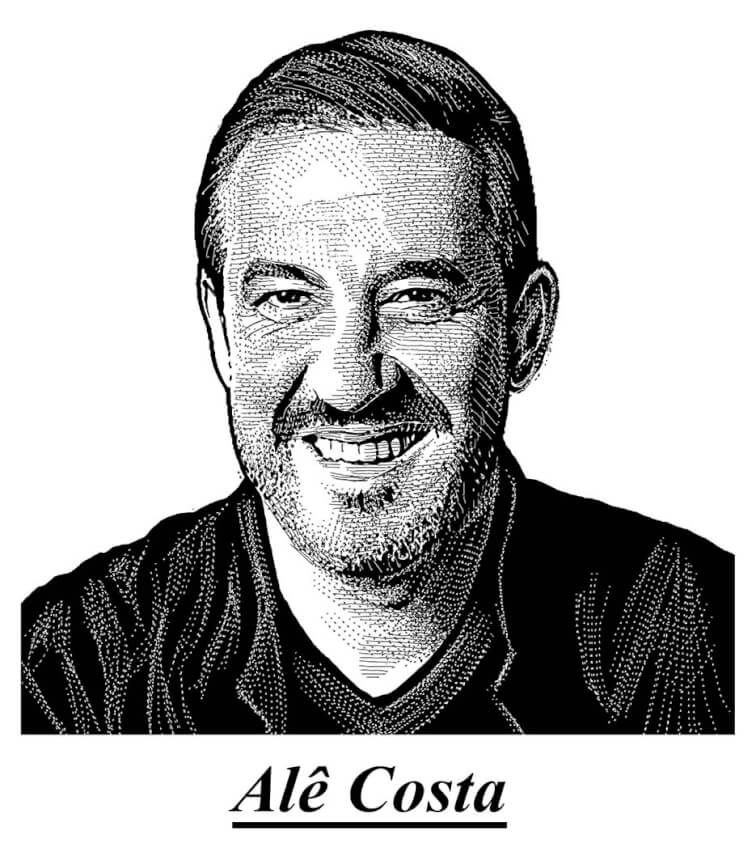
There, it is the opposite: a dream being built by those who will inherit the dream, not just the box. Literally a dream of history. Alê, my heroes didn't die of overdose. They are courageous, visionary, and transform the future into reality while the concrete is still fresh. You are making something for Itu that Disney did for Orlando, and you will bring happiness to many Brazilians that up until now was for few.
You are an honor to Brazilian entrepreneurship. You have succeeded. Guilherme Benchimol is the founder of XP Inc.
Written by urgent.news from Brazil Journal's reporting — not their text. Machine-written — may contain errors; check the original before relying on it.