Do we really ‘hold tension’ in our hips?
The idea is popular in wellness circles, but experts say there’s no evidence that trauma uniquely affects the hips. Here’s what causes hip tightness and what can help In yoga classes, on TikTok and throughout other wellness spaces, you’ve probably heard the saying: your hips hold tension. These joints have a reputation of being emotional storage units of sorts – but is it true that they are…
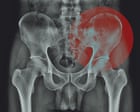
Many wellness enthusiasts claim that emotions and past traumas are stored in the hips, but medical experts dispute this notion. Hip tension can arise from various factors unrelated to emotional strain. Two primary causes of muscle tightness are mechanical issues with tissue structure and function, or an overactive nervous system triggered by psychological stress.
Tightness often feels like pain, pulling sensations, or stiffness in areas outside the hips, such as the buttocks or back. Trauma, especially in childhood, may heighten overall pain sensitivity, but there's no indication this effect specifically targets the hips. Anatomical issues like shallow or deep hip sockets, tendon or bursitis irritation, and muscle imbalances can also contribute to hip pain, particularly in middle-aged and older women.
Other factors like sedentary lifestyles, poor sleep, and stress can exacerbate hip discomfort. While tight hips might signal muscular issues, feeling tight doesn't necessarily translate to actual tightness. Dancers sometimes report tight hamstrings that defy the stretch despite looking flexible. To combat tightness, moving more is often the best remedy.
Gentle stretching and exercise can alleviate the sensation, and strengthening glutes through exercises like clamshells and monster walks can improve hip resilience, potentially reducing fracture risks in older adults. Adopting a healthier lifestyle overall, through meaningful activities, social connections, and better sleep, may also decrease pain sensitivity.
If tightness persists or worsens with activity, consulting a holistic clinician who considers the entire body and assesses stress and sleep patterns could provide further insight. Even when pain lingers, accepting it as a manageable part of life can be beneficial.
Written by urgent.news from Guardian Health's reporting — not their text. Machine-written — may contain errors; check the original before relying on it.