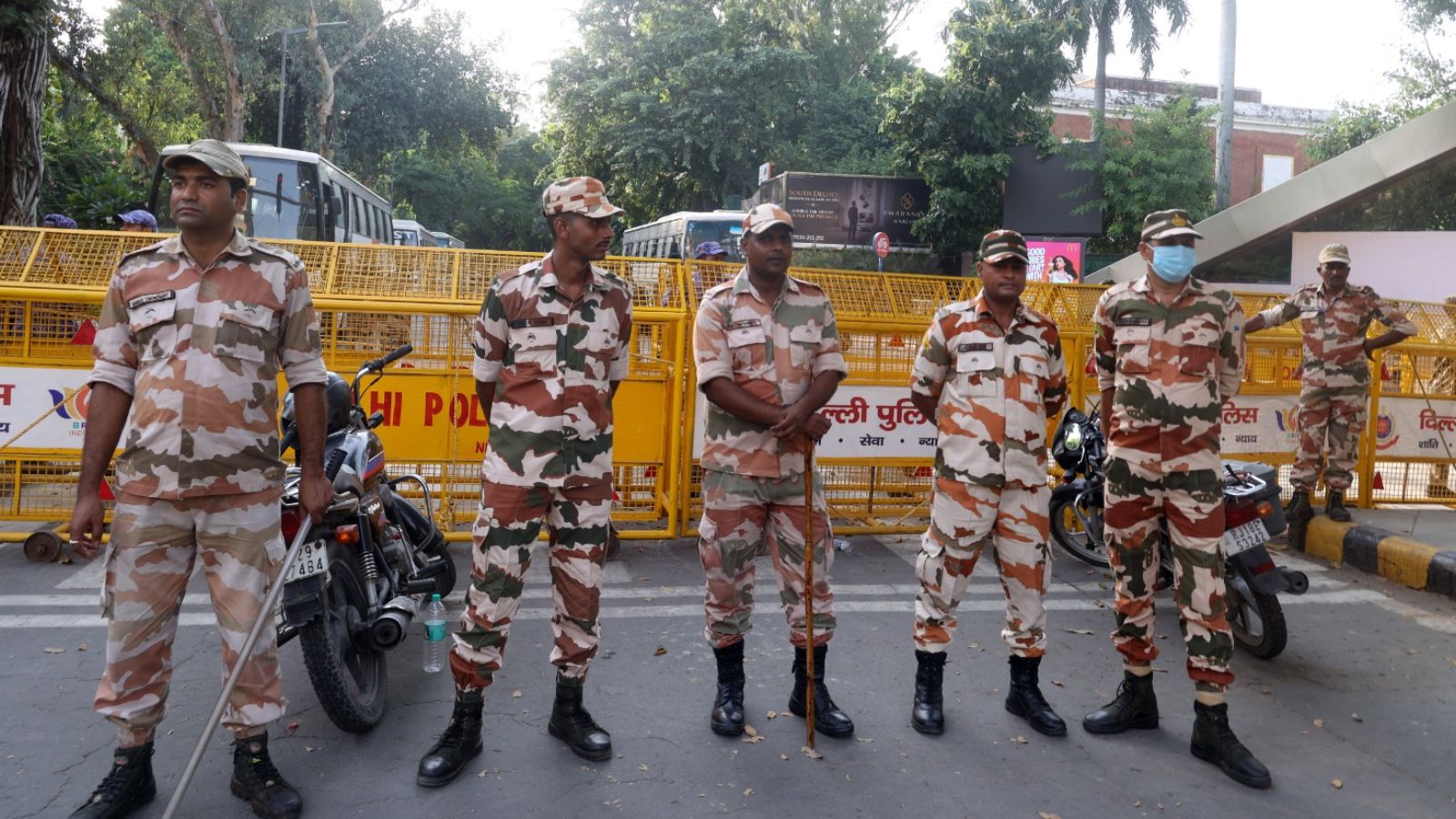
Delhi CJP protest: Dipke, Das, and Ranka released, but with a condition. What do BNSS Sections 126, 170 say? Explained
Cockroach Janta Party (CJP) leaders Abhijeet Dipke, Ashutosh Ranka and Saurav Das was among thousands of protesters detained by the Delhi Police ahead of the Jantar Mantar protest against Chief Election Commissioner (CEC) Gyanesh Kumar on Saturday.
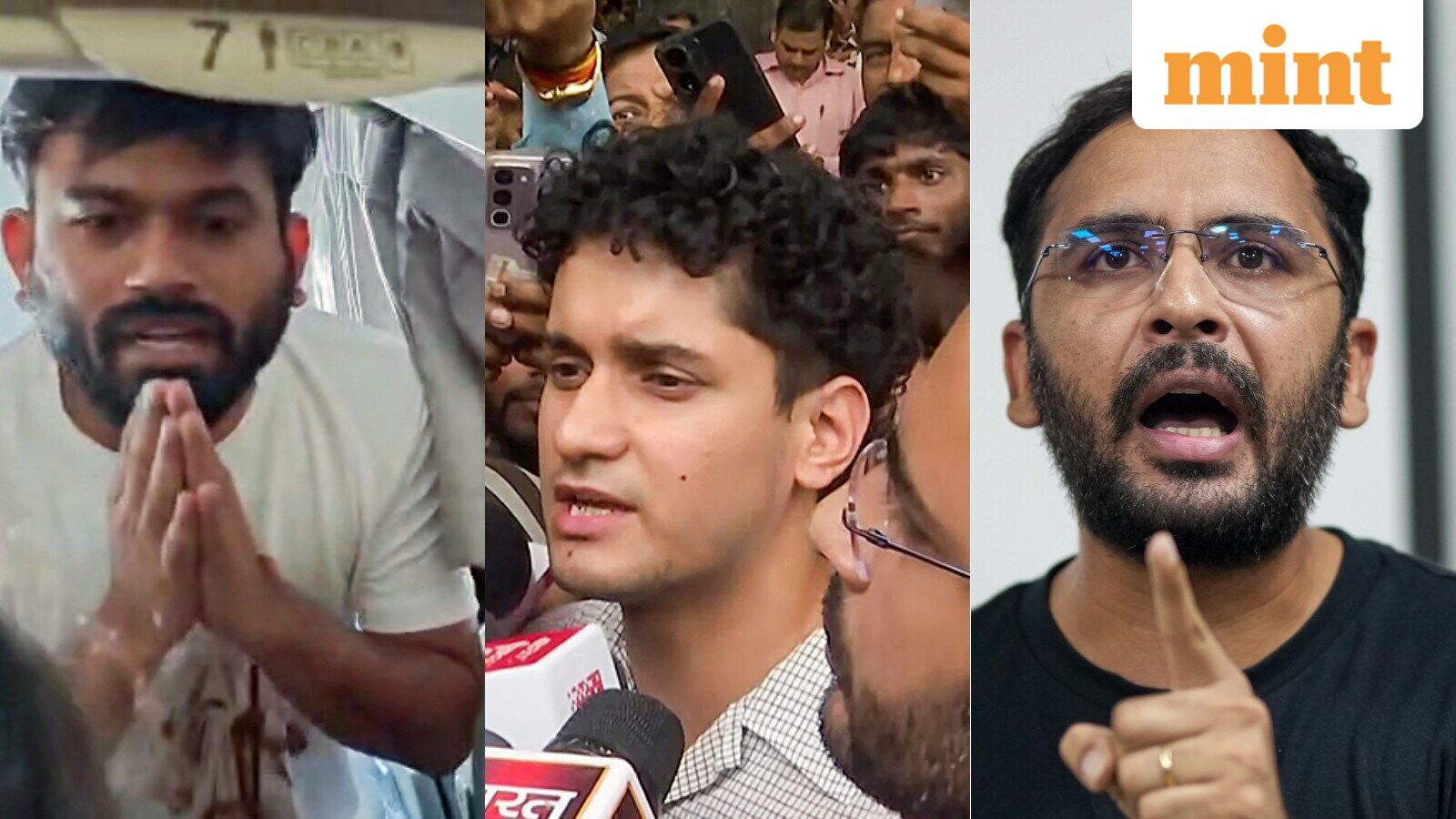
CJP leaders Abhijeet Dipke, Ashutosh Ranka and Saurav Das were released on a condition in Delhi on Sunday, a day after being placed under preventive arrest. The trio was among thousands detained ahead of a protest against Chief Election Commissioner Gyanesh Kumar. They were charged under BNSS Sections 126 and 170. Section 126 requires showing cause to avoid breach of peace, while Section 170 allows arrest to prevent cognizable offences. The Executive Magistrate ordered the leaders to refrain from breaching peace for a year.
Written by urgent.news from Live Mint's reporting — not their text. Machine-written — may contain errors; check the original before relying on it.
Also reported by 4 other outlets
- CJP Protest Day 2: Are Delhi metro stations closed today, Oct 11? What you must know livemint.com
- India rejects UN rights body’s remarks on Delhi protest detentions as ‘unwarranted interference’ hindustantimes.com
- Stringent traffic restrictions in Delhi as CJP protest enters second day business-standard.com
- 'Restore internet, metro, free movement': SC on Delhi protest crackdown - top quotes timesofindia.indiatimes.com