CROP DOLLAR: Is SA’s novel spekboom restoration a new soil carbon-farming frontier?
Mass-planting spekboom to repair damaged farmlands in the Eastern Cape, paid for through the carbon markets, got supersized with the arrival of weighty Global North investment. Could this mark a new era for African agriculture, where farming soil carbon replaces conventional crops?
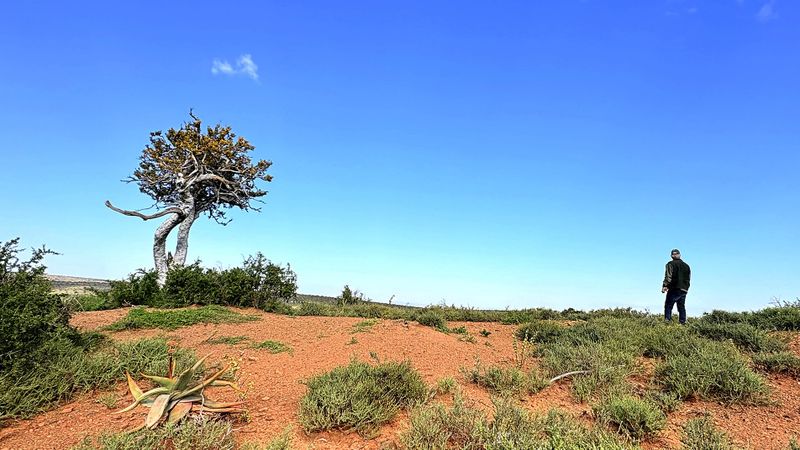
Spekboom, a tough and drought-tolerant succulent, has begun to restore damaged farmlands in the Eastern Cape, thanks to mass-planting efforts. The plant's success in repairing farmland has attracted significant Global North investment, thanks to its potential to draw carbon from the atmosphere. This novel approach to agriculture, known as spekboom-led thicket restoration, has caught the attention of the World Bank and corporations like Amazon.
A new outcome-based bond valued at $120 million has been created specifically for spekboom-led thicket recovery projects. The World Bank has named the bond after the succulent. Imperative Global Solutions Pte Ltd, a Singapore-based developer, is the first corporation to benefit from this funding, securing $25 million from the bond and $66 million in loans from other financiers.
The ultimate goal is to plant cuttings across 100,000 hectares in the next four to five years, with an estimated $500 million in revenue for the farming economy over the next four decades. This hyper-local case could mark a new era for African agriculture, where soil carbon cultivation through ecosystem repair could replace conventional crop yields.
Written by urgent.news from Daily Maverick's reporting — not their text. Machine-written — may contain errors; check the original before relying on it.