Cow 'Fitbit' helps pastoralists care for newborn calves
Modern biometrics and technology, coupled with traditional practice, are helping pastoralists like Kim Forrester keep track of their herds across vast cattle stations.
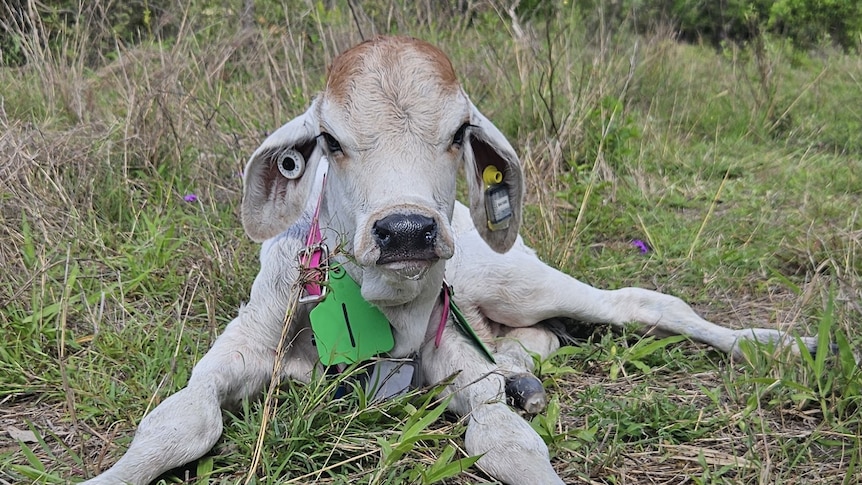
Pastoralists in Australia's northern regions are turning to modern technology to combat challenges in the cattle industry. Calf loss is one of the biggest issues, and a Cow Fitbit trial is underway to address this problem. Kim Forrester, who runs 10,000 head of cattle over 300,000 hectares at his family's station near Coral Bay, has adopted technology for better communication and monitoring.
He can now monitor water tank levels from his mobile device and track cattle data on a computer. Despite still relying on manual labor, Forrester emphasizes the importance of embracing technology to stay competitive. In contrast to southern Australian dairy farms that have been early adopters, northern pastoral stations face challenges due to distance and infrastructure.
Christie Pearson, a livestock team leader with the Northern Territory Department of Agriculture and Fisheries, notes the significant differences in operations scale. At Manbulloo Station, she observes 140 cows wearing devices similar to Fitbit activity monitors, collecting data on maternal behaviors and herd interactions to better understand calf loss.
The trial, part of Central Queensland University's Mooternal project, involves tracking individual cows across two northern pastoral properties for three years. Initial findings at Belmont Station in Rockhampton have shown surprising results, including some calves engaging in cross-suckling with multiple cows. Forrester believes technology could be a game-changer, as each calf death means a loss of potential income for the cow that would have produced it.
Written by urgent.news from ABC News AU's reporting — not their text. Machine-written — may contain errors; check the original before relying on it.